Related Articles
When we talk about the cooling system of a car, the water pump is one of the most important components to understand. In my view, many engine overheating problems are connected to poor coolant circulation, and the water pump plays a major role in keeping that circulation active.
A water pump is responsible for moving coolant through the engine, radiator, hoses, and other parts of the cooling system. Without proper coolant flow, the engine can quickly become too hot. Excessive engine temperature can lead to serious problems, including head gasket damage, warped engine components, and expensive repairs.
In this article, I will explain what a water pump does, how it works, the common water pump warning signs, and why regular cooling system maintenance is important.
What Is a Water Pump?
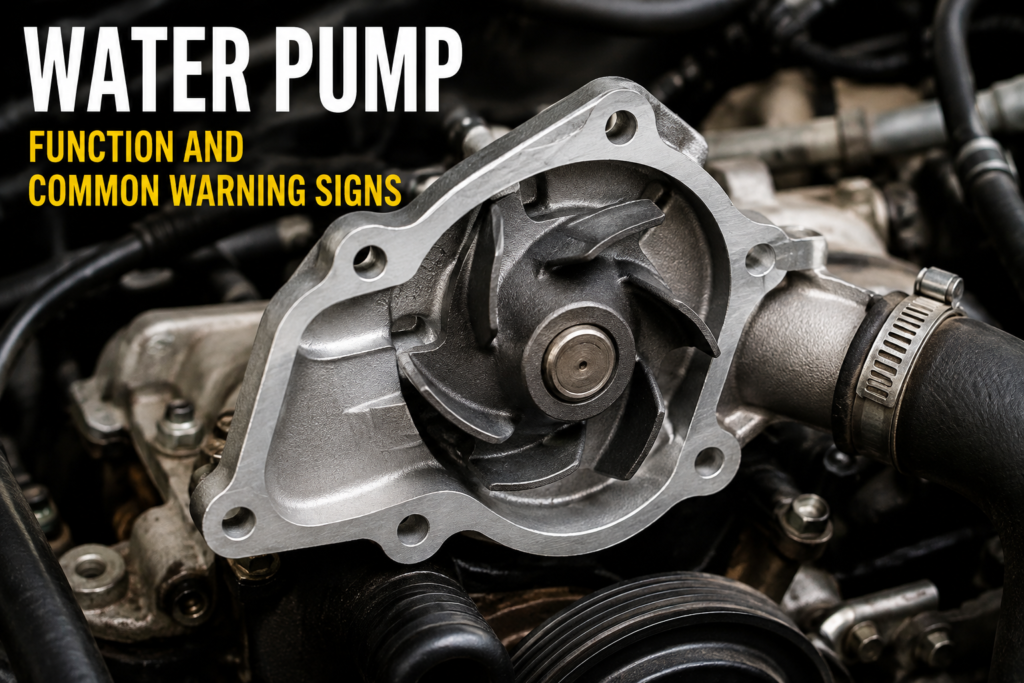
A car water pump is a mechanical component that circulates coolant through the engine cooling system. The coolant absorbs heat from the engine and carries that heat toward the radiator, where it can be released into the surrounding air.
Most traditional water pumps use an impeller inside a housing. When the pump rotates, the impeller pushes coolant through the cooling passages. Depending on the vehicle, the water pump may be driven by a serpentine belt, timing belt, or another mechanical system.
Some modern vehicles also use electric water pumps. These pumps are controlled electronically and can operate independently from engine speed.
Regardless of the design, the basic purpose remains the same. The water pump keeps coolant moving so the engine can maintain a safe operating temperature.
How Does a Water Pump Work?
The working principle of a water pump is relatively simple.
When the engine is running, the pump rotates and moves coolant through the cooling system. Coolant flows through passages inside the engine where it absorbs heat produced during combustion.
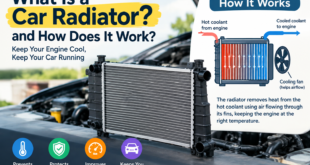
The heated coolant then travels toward the radiator. The radiator removes heat from the coolant before it returns to the engine.
The water pump continuously supports this circulation.
In a traditional system, the pump is connected to a belt. As the engine runs, the belt turns the pump pulley. This causes the internal impeller to rotate and push coolant through the system.
The process continues as long as the engine is running.
This is why a properly working water pump is essential. Even if the radiator, thermostat, and coolant are in good condition, poor coolant circulation can still cause overheating.
Why Is the Water Pump Important?
The main purpose of the water pump is to prevent excessive engine temperature.
An engine produces a tremendous amount of heat while operating. If that heat is not controlled, engine components can become damaged.
The water pump helps transfer this heat away from the engine.
From my experience with basic car maintenance, it is easy to focus on engine oil, filters, or the battery and forget about the cooling system. However, the cooling system deserves equal attention because overheating can turn a small maintenance issue into a major engine repair.
A healthy water pump helps maintain stable coolant circulation, supports normal engine temperature, and reduces the risk of overheating.
Common Water Pump Warning Signs
A failing water pump does not always stop working suddenly. In many cases, it provides warning signs first. Learning these signs can help you identify a problem before serious engine damage occurs.
1. Engine Overheating
One of the most important signs of a bad water pump is engine overheating.
If the pump cannot circulate coolant properly, heat can build up inside the engine. You may notice the temperature gauge moving higher than normal, especially during traffic, long drives, or hot weather.
An overheating engine should never be ignored.
However, overheating does not automatically mean the water pump is faulty. A blocked radiator, low coolant level, damaged thermostat, cooling fan problem, or leaking hose can produce similar symptoms.
A proper inspection is important before replacing any component.
2. Coolant Leaks
A visible coolant leak can also indicate a water pump problem.
The water pump has seals and bearings that can wear out over time. When the seal fails, coolant may leak around the pump housing or pulley area.
You may notice a small puddle under the front part of the vehicle after parking. Coolant can have a noticeable color depending on the type being used, although color alone should not be used to identify the fluid.
If you see coolant leaking, check the cooling system as soon as possible.
Driving with low coolant can increase the risk of engine overheating.
3. Unusual Noise From the Engine Area
Another common water pump warning sign is an unusual noise.
A worn water pump bearing can produce a whining, grinding, or rumbling sound. The noise may become more noticeable as engine speed increases.
Because several engine components use belts and rotating parts, it can sometimes be difficult to identify the exact source of the noise without inspection.
For example, a damaged pulley, belt tensioner, alternator bearing, or other component can make similar sounds.
Still, unusual noise around the water pump area should be taken seriously.
4. Steam or Excessive Heat
Steam coming from the engine compartment can be a serious warning sign of a cooling system problem.
If coolant circulation is poor or coolant is leaking onto hot engine components, steam may appear. This can happen when the engine temperature becomes extremely high.
If your car is overheating and you see steam, it is safer to stop the vehicle and allow the engine to cool down.
Never open a hot radiator cap because the cooling system can be under pressure. Hot coolant and steam can cause severe burns.
5. Coolant Level Keeps Dropping
If you frequently need to add coolant, there may be a leak somewhere in the cooling system.
The water pump is one possible source.
A small leak may not always create a large puddle. Sometimes coolant escapes slowly and leaves stains or residue around the pump area.
If the coolant level repeatedly falls, do not simply keep adding coolant without finding the cause. A cooling system inspection can help locate the leak.
6. Temperature Fluctuations
An engine temperature gauge that moves unusually high and low can also indicate a cooling system problem.
A failing water pump may not circulate coolant consistently. However, temperature fluctuations can also be caused by air trapped in the cooling system, a faulty thermostat, low coolant, or other problems.
This is why it is important to consider the complete cooling system rather than replacing the water pump based on one symptom.
What Causes a Water Pump to Fail?
Water pumps can fail for several reasons.
Normal wear is one of the most common causes. Bearings, seals, and other internal components become worn as the vehicle accumulates mileage.
Poor quality coolant or incorrect coolant mixtures can also contribute to cooling system problems. Corrosion and contamination may damage internal components.
A damaged or incorrectly tensioned belt can also affect a belt driven water pump.
Another possible cause is a coolant leak that allows the pump to operate without proper lubrication around its seal and related components.
Regular maintenance can reduce the chance of premature water pump failure.
How Long Does a Water Pump Last?
There is no single lifespan that applies to every water pump.
The service life depends on the vehicle, pump design, driving conditions, maintenance history, coolant quality, and other factors.
Some water pumps can last for many years and a high number of miles, while others may require replacement earlier.
If the water pump is driven by a timing belt, many manufacturers recommend replacing related components during the same service interval. This can make sense because accessing the water pump may require significant labor.
Always follow the maintenance recommendations for your specific vehicle.
Can You Drive With a Bad Water Pump?
I would not recommend driving for long with a suspected failing water pump.
A water pump problem can quickly develop into an overheating problem. Continued overheating may cause severe engine damage.
If the temperature gauge suddenly rises, a warning light appears, coolant is leaking heavily, or steam is coming from the engine compartment, stop driving as soon as it is safe to do so.
Allow the engine to cool before checking anything under the hood.
If you are unsure about the problem, getting the vehicle inspected by a qualified mechanic is the safest approach.
Water Pump Maintenance Tips
Good maintenance can help protect the cooling system and extend the life of the water pump.
First, check the coolant level regularly when the engine is cold. The coolant should remain within the recommended range.
Second, use the correct coolant specified for your vehicle. Different vehicles may require different coolant formulations.
Third, inspect hoses, belts, and connections for visible damage or leaks.
Fourth, pay attention to changes in engine temperature and unusual sounds.
Finally, follow the manufacturer’s recommended coolant replacement and maintenance schedule.
These simple habits can help you identify cooling system problems before they become expensive repairs.
Water Pump vs Thermostat
The water pump and thermostat work together, but they perform different jobs.
The water pump circulates coolant through the cooling system.
The thermostat controls when coolant is allowed to flow through the radiator. When the engine is cold, the thermostat generally remains closed to help the engine reach its normal operating temperature. As the engine warms up, the thermostat opens and allows coolant to move through the radiator.
Both components are important for maintaining proper engine temperature.
A faulty thermostat can produce symptoms similar to a water pump problem, which is why accurate diagnosis matters.
Final Thoughts
The water pump is a small but extremely important part of a vehicle’s cooling system. Its main job is to keep coolant circulating through the engine so excess heat can be removed.
Common water pump warning signs include engine overheating, coolant leaks, unusual noises, steam, repeated coolant loss, and abnormal temperature changes. These symptoms should not be ignored because continued overheating can cause serious engine damage.
In my opinion, the best approach is simple preventive maintenance. Check coolant levels, use the correct coolant, inspect the cooling system regularly, and pay attention to any unusual changes in engine temperature or noise.
Understanding how a water pump works makes it easier to recognize potential problems. If you notice several warning signs at the same time, have the cooling system inspected instead of continuing to drive and hoping the problem disappears.
A healthy water pump helps your engine stay cool, reliable, and ready for everyday driving.