Related Articles
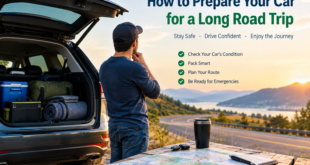
There is something special about going on a long road trip. Whether it is a family vacation, a business journey, or a weekend getaway, the excitement starts long before the car leaves the driveway. However, I have learned that enjoying a stress free trip depends heavily on how well the vehicle is prepared. A few minutes spent checking your car before leaving can prevent hours of frustration on the roadside.
Many people focus on packing clothes, booking hotels, or planning routes but forget one of the most important parts of the journey, making sure the car is ready for the road. In my opinion, regular maintenance becomes even more important before traveling long distances because your vehicle will be working harder than during normal daily driving.
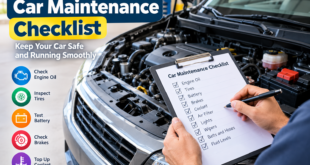
In this article, I will share a complete guide to car maintenance before long trips so you can travel safely, comfortably, and confidently.
Why Pre Trip Car Maintenance Is Important
Long distance driving puts extra stress on almost every part of a vehicle. The engine runs for extended periods, the tires generate more heat, and the braking system may be used more frequently, especially on mountain roads.
Performing a proper inspection before your trip helps reduce the chances of breakdowns, improves fuel efficiency, increases safety, and provides peace of mind throughout the journey.
Preventive maintenance is always less expensive than emergency roadside repairs.
Check the Engine Oil
The first thing I always inspect before a long drive is the engine oil.
Engine oil lubricates moving engine parts, reduces friction, and helps control engine temperature.
Check the oil level using the dipstick while the engine is cool.
If the oil appears dirty or the next oil change is approaching, replace it before leaving.
Fresh engine oil allows the engine to operate more efficiently during long hours of driving.
Inspect the Coolant
A healthy cooling system prevents engine overheating.
Check the coolant reservoir and ensure the level falls within the recommended range.
Inspect hoses for leaks, cracks, or swelling.
If the coolant is old or contaminated, replace it according to your manufacturer’s maintenance schedule.
Driving long distances with low coolant can lead to serious engine damage.
Examine the Battery
Few things are more frustrating than a dead battery during a trip.
Inspect battery terminals for corrosion.
Ensure the battery connections are secure.
If your battery is several years old or the engine has been slow to start recently, consider having it tested before your journey.
Replacing a weak battery before traveling is far better than dealing with unexpected failure.
Check Tire Pressure
Proper tire pressure plays a major role in both safety and fuel economy.
I always check tire pressure when the tires are cold.
Use the pressure recommended by the vehicle manufacturer rather than the maximum pressure listed on the tire itself.
Correct tire pressure improves handling, reduces fuel consumption, and helps prevent tire blowouts.
Inspect Tire Condition
Look closely at all four tires before leaving.
Check for uneven tread wear, cracks, cuts, nails, or embedded objects.
Make sure the tread depth remains safe for driving, especially if rain is expected.
Healthy tires provide better traction and shorter braking distances.
Don’t Forget the Spare Tire
Many drivers remember to inspect the main tires but forget about the spare.
Check the spare tire’s air pressure and overall condition.
Also make sure the jack, lug wrench, and necessary tools remain inside the vehicle.
A flat tire becomes much less stressful when the spare is ready for use.
Test the Brakes
Brakes are one of the most important safety systems in any vehicle.
Listen for squeaking or grinding noises.
Check brake fluid levels.
If the brake pedal feels soft or braking performance has decreased, have the braking system inspected before traveling.
Driving through mountains or heavy traffic places additional demands on the brakes.
Inspect Brake Fluid
Brake fluid transfers pressure throughout the braking system.
Low brake fluid may indicate worn brake pads or a leak.
Ensure the fluid remains at the proper level and replace old fluid according to your maintenance schedule.
Reliable brakes are essential for every long trip.
Check All Vehicle Lights
Good visibility helps keep everyone safe.
Test headlights, brake lights, turn signals, reverse lights, fog lights, and hazard lights.
Replace burned out bulbs before leaving.
Proper lighting is especially important if your trip includes nighttime driving.
Inspect Windshield Wipers
Weather conditions can change quickly during a road trip.
Inspect the windshield wiper blades for cracks or worn rubber.
Replace blades that leave streaks across the windshield.
Also fill the windshield washer fluid reservoir.
Clear visibility is essential during rain or dusty conditions.
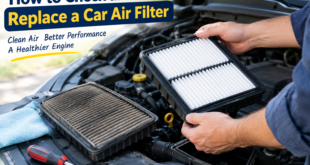
Check the Air Filter
A clean engine air filter helps maintain fuel efficiency and engine performance.
A dirty filter restricts airflow, making the engine work harder.
Inspect the air filter and replace it if necessary before your trip.
This simple maintenance task may improve fuel economy during long highway drives.
Inspect Belts and Hoses
Belts and hoses naturally wear with age.
Check for cracks, fraying, loose connections, or leaks.
Replacing worn belts before they fail prevents unexpected breakdowns.
A damaged belt can affect the cooling system, charging system, or power steering.
Verify Fluid Levels
Several vehicle fluids deserve attention before a long journey.
Check engine oil.
Coolant.
Brake fluid.
Transmission fluid.
Power steering fluid if applicable.
Windshield washer fluid.
Keeping all fluids at the proper level helps every major system perform correctly.
Examine the Suspension
Long trips become uncomfortable if suspension components are worn.
Watch for excessive bouncing, unusual noises, or uneven tire wear.
Healthy shock absorbers and struts improve stability, especially on rough roads.
Suspension inspections also help identify worn bushings or ball joints before they become serious problems.
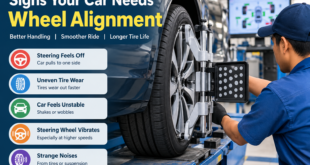
Check Steering Performance
The steering should feel smooth and responsive.
If the vehicle pulls to one side or the steering wheel vibrates, schedule an inspection before your trip.
Proper wheel alignment also improves tire life and fuel efficiency.
Inspect the Exhaust System
A damaged exhaust system can reduce engine performance and increase noise.
Inspect for rust, loose brackets, or unusual sounds.
Repairing exhaust leaks improves both safety and fuel economy.
Pack an Emergency Kit
Even the best maintained vehicle can experience unexpected problems.
I always carry a basic emergency kit.
Include a flashlight.
First aid kit.
Jumper cables.
Portable tire inflator.
Tire pressure gauge.
Basic hand tools.
Reflective warning triangle.
Phone charger.
Drinking water.
These items can make a significant difference during emergencies.
Carry Important Documents
Before leaving, verify that you have your driver’s license, vehicle registration, insurance documents, and emergency contact information.
Keeping digital copies on your phone is also a good idea.
Clean the Vehicle
A clean windshield, mirrors, headlights, and windows improve visibility.
Removing unnecessary items from the trunk also reduces vehicle weight slightly, which may improve fuel economy.
Cleaning the interior creates a more enjoyable travel experience for everyone.
Plan Fuel Stops
Do not wait until the fuel tank is almost empty.
Planning fuel stops ahead of time is especially important when traveling through remote areas.
Keeping at least one quarter of the tank full reduces the risk of running out of fuel unexpectedly.
Monitor Weather Conditions
Checking the weather forecast before departure helps you prepare for rain, snow, strong winds, or extreme heat.
Adjust your driving plans if severe weather is expected.
Weather awareness contributes significantly to road safety.
Follow the Manufacturer’s Service Schedule
If your vehicle is close to its scheduled maintenance interval, complete the service before your trip.
Oil changes, filter replacements, spark plugs, and other maintenance tasks help ensure maximum reliability during long distance travel.
Ignoring scheduled maintenance increases the risk of unexpected mechanical problems.
Drive Carefully During the Trip
Vehicle maintenance alone cannot guarantee safety.
Drive smoothly.
Avoid sudden acceleration and harsh braking.
Take breaks during long drives.
Monitor dashboard warning lights.
Pay attention to unusual noises or vibrations.
Responsible driving helps protect both the vehicle and its passengers.
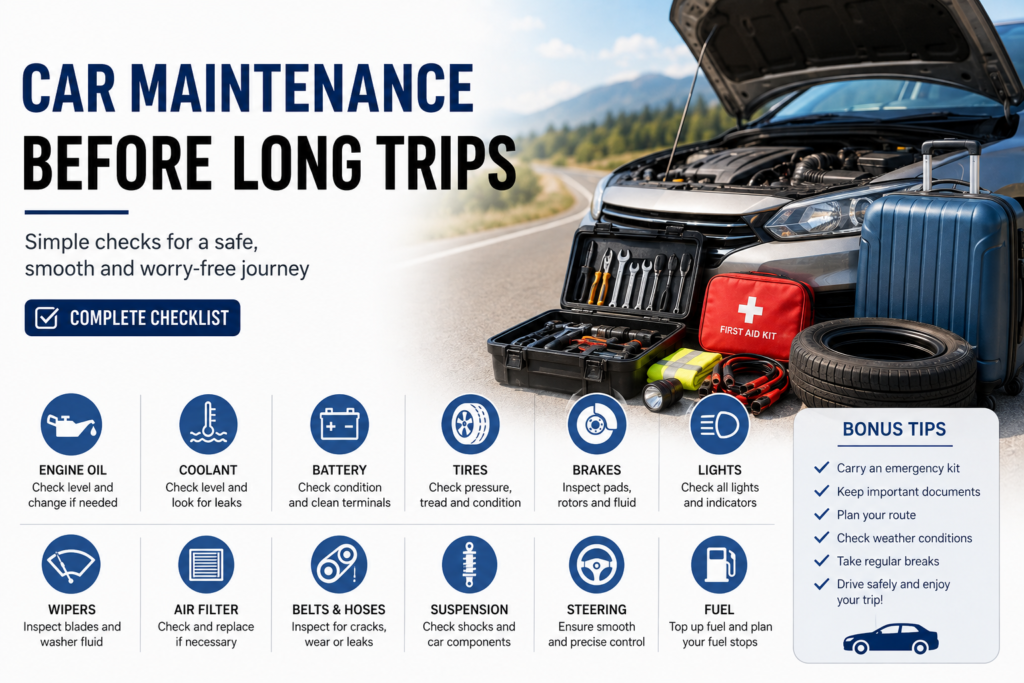
Final Thoughts
In my opinion, preparing your car before a long trip is one of the smartest habits any driver can develop. Spending a little time inspecting engine oil, coolant, brakes, tires, battery, lights, suspension, and other important components can prevent unexpected breakdowns and make the journey much more enjoyable. Regular maintenance not only protects your vehicle but also improves fuel efficiency, driving comfort, and overall road safety.
A successful road trip begins long before you start the engine. By following this complete pre trip car maintenance checklist, you can travel with greater confidence, knowing your vehicle is ready for the miles ahead. Proper preparation allows you to focus on enjoying the journey instead of worrying about mechanical problems, making every trip safer, smoother, and far more memorable.