
Related Articles


When choosing wheels for a car, many drivers focus mainly on appearance. I understand why, because wheels can completely change the look of a vehicle. However, from my point of view, the choice between steel wheels and alloy wheels is about much more than style. Weight, durability, price, driving comfort, fuel economy, maintenance, and road conditions all matter.
Steel wheels and alloy wheels both have their own advantages and disadvantages. The right option depends on the type of car you drive, the roads you use, your budget, and what you expect from your vehicle. In this article, I will explain the main differences between steel wheels vs alloy wheels and share what I think you should consider before making a decision.
What Are Steel Wheels?
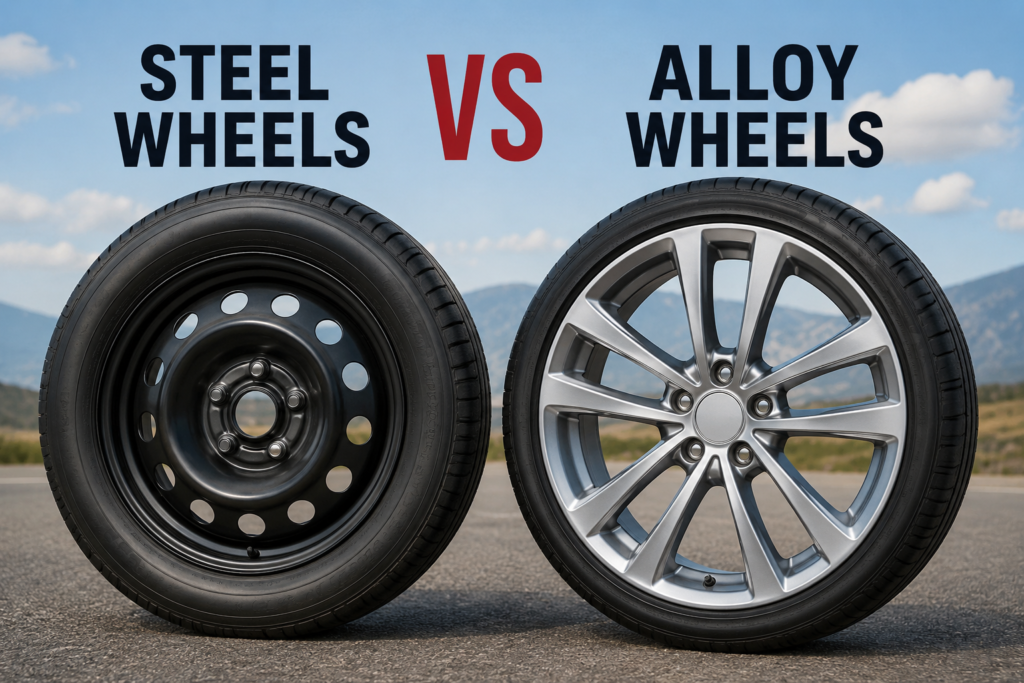
Steel wheels are made mainly from pressed steel. They are commonly found on basic vehicle models, commercial vehicles, winter setups, and cars designed for practical everyday use.
One reason steel wheels remain popular is their strength. They are built to handle rough conditions and can take a reasonable amount of punishment from potholes, rough roads, and everyday driving. If a steel wheel receives a strong impact, it may bend rather than crack.
I personally think this makes steel wheels a practical choice for drivers who regularly travel on poor roads. They may not look as attractive as alloy wheels, but their simple construction makes them useful when durability is more important than appearance.
What Are Alloy Wheels?
Alloy wheels are generally made from an aluminum alloy, sometimes with other metals included in the material. They are available in many different designs and sizes, which is one reason they are so popular.
The biggest advantage I notice with alloy wheels is their appearance. They can make even an ordinary car look more modern and sporty. Manufacturers can create complicated spoke patterns and attractive finishes that are difficult to achieve with traditional steel wheels.
Alloy wheels can also be lighter than comparable steel wheels. This reduction in weight can influence handling and suspension response, although the actual difference depends on the specific wheel and tire combination.
Steel Wheels vs Alloy Wheels: Weight
Weight is an important difference between steel wheels and alloy wheels.
In many applications, alloy wheels are lighter than steel wheels. Reducing unsprung weight can help a vehicle respond more quickly to steering inputs and road surfaces. A lighter wheel can also make the suspension’s job easier.
However, I would not say that every alloy wheel is automatically lighter than every steel wheel. Wheel size, design, construction, and thickness all make a difference.
For normal daily driving, the weight difference may not be dramatic enough for every driver to notice. Still, if you care about handling and responsiveness, lightweight alloy wheels can be an attractive option.
Durability and Strength
Steel wheels have a strong reputation for durability. They are particularly useful on roads where potholes and rough surfaces are common.
One thing I like about steel wheels is how they tend to react to heavy impacts. A badly hit steel wheel can bend, but in some cases it can be repaired. Alloy wheels can also be strong, but depending on their design and the severity of an impact, they may crack or become damaged in ways that require replacement or professional repair.
This does not mean alloy wheels are weak. Good quality alloy wheels can be extremely durable. It simply means that the type of wheel and the road conditions should be considered together.
If I were choosing wheels for a vehicle that regularly travels over rough roads, I would give steel wheels serious consideration.
Appearance and Style
When it comes to appearance, alloy wheels usually win.
Steel wheels often have a simple design and may be covered with plastic wheel covers. Their appearance is more focused on function than style.
Alloy wheels, on the other hand, are available in countless designs. You can find simple five spoke designs, sporty multi spoke wheels, deep finishes, and many different colors.
For someone who wants to improve the appearance of a car without making major changes, alloy wheels can make a noticeable difference.
In my opinion, this is one of the main reasons drivers choose alloys even when steel wheels may be more practical for their situation.
Cost Comparison
Price is another major factor in the steel wheels vs alloy wheels debate.
Steel wheels are usually more affordable, especially when comparing standard wheels of similar size. Their straightforward construction and simple design help keep manufacturing costs down.
Alloy wheels are usually more expensive. Special finishes, complex designs, larger sizes, and premium manufacturing methods can increase the price considerably.
There is also a replacement cost to consider. If an alloy wheel becomes seriously damaged, replacing it can cost more than replacing a basic steel wheel.
For drivers working with a limited budget, steel wheels can provide a practical and reliable solution.
Fuel Economy
Wheel weight can also have an effect on fuel economy. Lighter wheels may require less energy to accelerate, which can contribute to improved efficiency.
However, I would not recommend buying alloy wheels solely because you expect a major improvement in fuel consumption. The difference depends on the complete wheel and tire setup, vehicle type, driving style, tire pressure, and many other factors.
If fuel economy is your priority, proper tire inflation, smooth driving, regular maintenance, and suitable tires are usually more important factors.
Still, when a lightweight alloy wheel replaces a significantly heavier setup, there can be benefits.
Handling and Driving Feel
Alloy wheels can provide advantages in handling because they are often lighter and can be designed with different dimensions. A lighter wheel can reduce unsprung mass and may help the vehicle respond more quickly.
Drivers who enjoy sporty handling may appreciate this difference.
Steel wheels are more focused on practicality. They can provide dependable performance, but they are generally not selected for performance driving.
From my perspective, the difference is more important for drivers who regularly drive enthusiastically. For someone who mainly drives through town at moderate speeds, the practical benefits of steel wheels may outweigh the performance advantages of alloys.
Maintenance and Corrosion
Both types of wheels require maintenance, but they can experience different problems.
Steel wheels can develop surface rust if their protective coating is damaged and bare metal is exposed to moisture. Rust can become more noticeable over time, particularly in areas where roads are exposed to salt or heavy moisture.
Alloy wheels do not rust in the same way as steel, but they can experience corrosion and finish damage. Road salt, brake dust, dirt, and moisture can affect the appearance of an alloy wheel if it is not cleaned regularly.
I recommend cleaning either type of wheel regularly. Keeping wheels clean is not only about appearance. It also makes it easier to notice cracks, bends, corrosion, and other problems before they become serious.
Performance on Rough Roads
Road conditions should play a major role in choosing between steel wheels and alloy wheels.
If your daily route contains potholes, broken pavement, gravel roads, or other rough surfaces, steel wheels may make more sense. Their simple construction and ability to withstand impacts make them a practical choice.
Alloy wheels can also be used on rough roads, but low profile tires paired with large alloy wheels can increase the risk of damage. The tire has less sidewall available to absorb impacts, so the wheel can receive more force from potholes.
This is why I would not choose a large wheel simply because it looks good. The wheel and tire combination should match the roads you actually drive on.
Winter Driving
Steel wheels are commonly used for winter tire setups because they are affordable and practical. If you live in an area with harsh winters, having a separate set of steel wheels with winter tires can make seasonal tire changes easier.
Alloy wheels can also be used during winter, but road salt and harsh conditions can affect certain finishes. Good cleaning and proper maintenance can help reduce problems.
The tire itself is still extremely important. A quality winter tire can make a much bigger difference in cold and snowy conditions than the wheel material alone.
Repair and Replacement
Steel wheels have an advantage when it comes to certain types of damage. A bent steel wheel can sometimes be straightened by a qualified professional.
Alloy wheel repair depends heavily on the type and severity of damage. Some alloy wheels can be professionally repaired, while others may need replacement.
I would never recommend continuing to drive on a wheel that is seriously bent, cracked, or otherwise unsafe. Wheel damage can affect tire sealing, vehicle stability, and overall driving safety.
If you hit a large pothole and suddenly notice vibration, steering changes, or a tire pressure issue, it is worth having the wheel and tire inspected.
Which Wheels Are Better?
There is no universal winner in the steel wheels vs alloy wheels comparison.
If your priority is affordability, durability, and practicality, steel wheels can be an excellent choice. They are especially suitable for drivers who deal with rough roads or want a simple wheel setup.
If your priorities are appearance, lighter weight, handling, and a wider range of designs, alloy wheels are usually the better option.
For my own decision making, I would first consider the roads and driving conditions rather than choosing a wheel based only on appearance. A beautiful wheel does not provide much value if it is constantly exposed to conditions that increase the chance of damage.
Steel Wheels vs Alloy Wheels: Quick Comparison
Steel wheels are generally better for affordability and practical everyday use. Alloy wheels are generally better for appearance and can offer weight and handling advantages.
Steel wheels are usually easier on the budget. Alloy wheels normally cost more.
Steel wheels are well suited to rough roads. Alloy wheels can work well on rough roads too, but the overall wheel and tire combination matters.
Steel wheels offer fewer design choices. Alloy wheels provide a much wider variety of styles.
Steel wheels can be a sensible choice for winter and utility vehicles. Alloy wheels are often preferred for modern passenger cars and performance oriented vehicles.
Final Thoughts
After looking at the main differences, I think the best choice depends on your personal priorities. Steel wheels are not outdated simply because alloy wheels look more attractive. They remain useful because they are practical, affordable, and capable of handling demanding road conditions.
Alloy wheels offer a combination of style, performance potential, and design flexibility that many drivers appreciate. They can make a car look better and may provide weight advantages when you choose the right model.
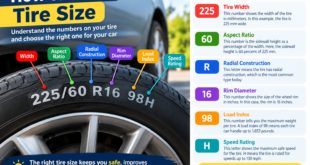
The most important thing is to buy wheels that are correctly sized and compatible with your vehicle. Wheel diameter, width, offset, bolt pattern, load rating, and tire size should all be considered before making a purchase.
For someone who wants simple and dependable transportation, I would be comfortable choosing steel wheels. For someone who wants a more stylish appearance and potentially sharper driving response, I would lean toward quality alloy wheels.
In the end, steel wheels vs alloy wheels is not really about finding one wheel that is perfect for everyone. It is about finding the wheel that fits your vehicle, your budget, your driving habits, and your roads. When those factors are considered together, the decision becomes much easier.