
Related Articles
When I think about upgrading a car, alloy wheels are usually one of the first things that come to mind. They can completely change the appearance of a vehicle and, depending on the design and size, they can also affect how the car feels on the road. Alloy wheels are popular because they look modern, offer a wide range of designs, and can provide some performance advantages over traditional steel wheels.
However, I believe alloy wheels should not be chosen only because they look good. There are several benefits to consider, but there are also drawbacks that can make them less suitable for certain drivers and road conditions. In this article, I will explain the main alloy wheels benefits and drawbacks based on practical considerations, so you can decide whether they are the right choice for your car.
What Are Alloy Wheels?
Alloy wheels are wheels made from a mixture of metals, most commonly aluminum combined with other materials. This construction makes them different from traditional steel wheels.
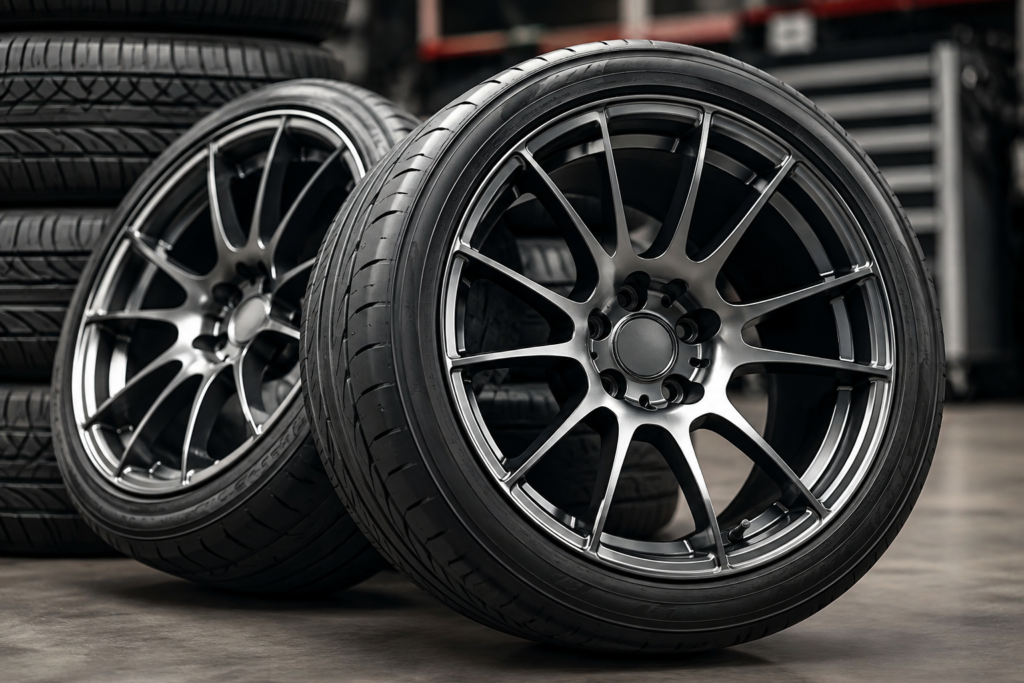
One of the biggest reasons people choose alloy wheels is their appearance. They are available in many shapes, spoke patterns, finishes, and sizes. From simple silver designs to aggressive black and machined finishes, there are options for almost every type of vehicle.
Alloy wheels are also generally lighter than comparable steel wheels. This difference in weight can influence handling, acceleration, braking, and overall driving feel.
Benefits of Alloy Wheels
1. Better Appearance
For many car owners, appearance is the main reason for choosing alloy wheels. I personally think a good set of wheels can make an ordinary car look much more attractive without making major changes to the vehicle.
Alloy wheels are available in countless designs. You can choose a simple factory style, a sporty multi spoke design, or something more aggressive depending on your personal taste.
The finish also makes a difference. Silver, gunmetal, black, bronze, and machined finishes can give the vehicle a completely different personality.
If you are planning a visual upgrade, alloy wheels can be one of the most noticeable changes you can make.
2. Lower Weight
One important advantage of alloy wheels is their relatively low weight. A lighter wheel can reduce unsprung weight, which is the weight not supported directly by the suspension.
Reducing unsprung weight can help the suspension respond more effectively to changes in the road surface. In some situations, this can contribute to better handling and a more responsive driving experience.
Lighter wheels can also reduce rotational mass. This may help the vehicle accelerate and brake more efficiently, although the actual improvement depends on the wheel design, tire size, vehicle, and overall weight difference.
This is one reason performance focused drivers often pay close attention to wheel weight.
3. Improved Handling
Alloy wheels can contribute to a sharper driving experience when they are properly matched to the vehicle. A lightweight and correctly sized wheel can make steering feel more responsive.
I have found that wheel selection can make a noticeable difference in how a car feels, especially when moving from heavy factory wheels to a suitable lightweight setup.
However, it is important to understand that bigger wheels are not automatically better. Increasing wheel size can add weight and require lower profile tires. Therefore, the complete wheel and tire combination matters more than the wheel material alone.
4. Better Heat Dissipation
Aluminum alloys generally transfer heat more effectively than steel. This characteristic can help alloy wheels dissipate heat generated around the braking system.
Good heat management is particularly useful during demanding driving conditions. Brakes generate significant heat during repeated braking, and effective heat transfer can help maintain consistent braking performance.
The design of the wheel also matters. Open spoke designs can allow more airflow around the brake components.
For normal daily driving, this benefit may not be dramatic, but it can become more relevant during spirited or demanding driving.
5. Wide Range of Designs
Another major advantage is variety. Steel wheels are usually associated with simple designs, while alloy wheels offer much more freedom in appearance.
You can find five spoke, six spoke, multi spoke, mesh, split spoke, and many other designs. There are also different widths and diameters available for compatible vehicles.
This variety makes it easier to create a specific look. Whether you want a clean factory appearance or a sporty aftermarket style, there is usually an alloy wheel design that fits the idea.
6. Potential Corrosion Resistance
Many modern alloy wheels have protective coatings that help protect the metal from corrosion. This can be useful when the wheels are exposed to moisture, road dirt, and other environmental conditions.
That does not mean alloy wheels cannot corrode. Damage to the finish can expose the underlying metal, and poor maintenance can make the problem worse.
Still, a properly maintained and quality alloy wheel can remain attractive for many years.
Drawbacks of Alloy Wheels
1. Higher Cost
One of the biggest disadvantages of alloy wheels is their price. Good quality alloy wheels can cost considerably more than basic steel wheels.
The cost does not stop with the wheels themselves. Depending on the vehicle, you may also need different tires, wheel nuts, center caps, balancing, installation, and alignment checks.
For someone working with a limited budget, steel wheels may provide better value.
I think this is one of the first things to consider before buying alloy wheels. Spending more money only for appearance may not make sense if the existing wheels are already working perfectly.
2. Greater Risk of Damage From Potholes
This is especially important for drivers who regularly use roads with potholes, broken surfaces, or rough conditions.
Alloy wheels can be more vulnerable to bending or cracking when they experience a strong impact. A severe pothole or road obstacle can damage the wheel, particularly when the vehicle has large wheels with low profile tires.
Steel wheels are often more forgiving because they can bend under severe impact and may sometimes be repaired more easily.
This does not mean every alloy wheel is fragile. Wheel quality, design, tire sidewall, driving speed, and road conditions all make a difference.
3. Repair Can Be More Difficult
If an alloy wheel becomes badly bent or cracked, repair can be more complicated than repairing a basic steel wheel.
Minor cosmetic damage may be repairable, but serious structural damage should always be inspected by a qualified professional. A wheel that looks acceptable from the outside may have damage that affects its safety.
For this reason, I would never recommend choosing an alloy wheel simply because it is cheap. Quality and proper specifications matter.
4. Scratches and Cosmetic Damage
Alloy wheels can look excellent when they are new, but they can also show scratches, curb damage, and finish deterioration.
A common example is curb rash. This happens when the outer edge of the wheel contacts a curb while parking or turning.
Depending on the finish, repairing cosmetic damage can be expensive. Some painted wheels are relatively easy to refinish, while polished or special finishes can require more specialized work.
If appearance is very important to you, regular cleaning and careful parking can help keep alloy wheels looking good.
5. Larger Wheels Can Reduce Ride Comfort
Many people associate alloy wheels with larger wheel sizes. While larger wheels can improve appearance and sometimes handling, they often come with lower profile tires.
A lower profile tire has less sidewall available to absorb bumps. As a result, the ride can become firmer, especially on rough roads.
This is something I would consider carefully before upgrading. A wheel that looks fantastic in a showroom may not provide the same comfort on everyday roads.
For a daily driver, choosing a sensible wheel size can often provide a better balance between appearance, comfort, and protection.
6. Weight Is Not Always Lower
Although alloy wheels are commonly lighter than steel wheels, this is not guaranteed.
Some large aftermarket alloy wheels can be quite heavy. If a wheel is significantly larger or has a complicated construction, the complete wheel and tire package may weigh more than the original setup.
That is why I recommend checking the actual weight rather than assuming every alloy wheel will improve performance.
The correct wheel should be selected based on size, width, offset, load rating, and weight, not appearance alone.
Alloy Wheels vs Steel Wheels
When comparing alloy wheels with steel wheels, there is no single winner for every driver.
Alloy wheels generally have the advantage in appearance, design choices, weight, and potentially handling. They are a popular choice for people who want a more modern or sporty look.
Steel wheels, on the other hand, are often valued for their durability, lower cost, and practicality. They can be a good option for vehicles that regularly travel over rough roads or for drivers who simply want reliable wheels without spending extra money on appearance.
In my opinion, the best choice depends on how and where you drive. Someone who mainly drives on smooth roads and wants a stylish vehicle may benefit from alloy wheels. Someone who regularly faces potholes and difficult road conditions may prefer the practicality of steel wheels.
Are Alloy Wheels Worth It?
I believe alloy wheels are worth considering if you want a combination of appearance and performance benefits. They can make a vehicle look significantly better and may improve steering response and overall driving feel when properly selected.
However, I would not recommend buying the largest or most expensive wheels simply because they look impressive.
The best alloy wheels are the ones that match your vehicle’s recommended specifications and your driving conditions. Wheel diameter, width, offset, load capacity, tire size, and construction quality should all be considered.
A properly selected set can provide a good balance between style, comfort, handling, and durability.
How to Choose the Right Alloy Wheels
Before buying alloy wheels, check your vehicle manufacturer’s recommended specifications. The wheel must fit correctly without interfering with the brakes, suspension, or bodywork.
Pay attention to the wheel diameter and width. You should also check the bolt pattern, center bore, offset, and load rating.
I also recommend buying from a reputable manufacturer or seller. Extremely cheap wheels may not offer the same quality and durability as properly tested products.
Do not forget about the tires. A great wheel paired with the wrong tire size can create handling, comfort, or clearance problems.
Finally, have the wheels installed and balanced correctly. After installation, checking alignment can also be useful, particularly if you have changed the wheel and tire setup.
Final Thoughts
Alloy wheels have many advantages, but they are not perfect for every vehicle or every driver. Their attractive designs, lighter construction, potential handling benefits, and improved heat dissipation make them a popular upgrade.
At the same time, higher cost, potential pothole damage, repair expenses, scratches, and reduced ride comfort with large low profile setups are important drawbacks to consider.
From my point of view, the smartest approach is to choose alloy wheels based on your actual driving needs rather than appearance alone. If you drive mostly on good roads and want your vehicle to look better while maintaining a responsive driving feel, quality alloy wheels can be an excellent investment.
If your daily routes include many potholes and rough roads, durability and tire sidewall protection may be more important than style. In that situation, a smaller alloy wheel with a suitable tire can sometimes provide a much better balance.
Ultimately, the right alloy wheels are those that fit your vehicle properly, suit your road conditions, and provide the combination of style, safety, comfort, and performance you actually need.