Related Articles

A fuel pump is one of the most important components in a modern vehicle because it is responsible for moving fuel from the fuel tank to the engine. Without a properly working fuel pump, the engine cannot receive the fuel it needs for combustion. In simple terms, the fuel pump keeps the fuel moving through the vehicle’s fuel system so the engine can continue running.
From my understanding, many drivers do not think about the fuel pump until the vehicle starts showing problems. A car may suddenly become difficult to start, lose power while driving, or even stop running. Sometimes these symptoms can be related to the fuel pump or another part of the fuel delivery system.
Modern vehicles use carefully designed fuel systems to deliver the right amount of fuel at the required pressure. The fuel pump plays a major role in this process. In this article, I will explain what a fuel pump is, how it works, the different types of fuel pumps, common symptoms of failure, and some basic maintenance tips.
What Is a Fuel Pump?
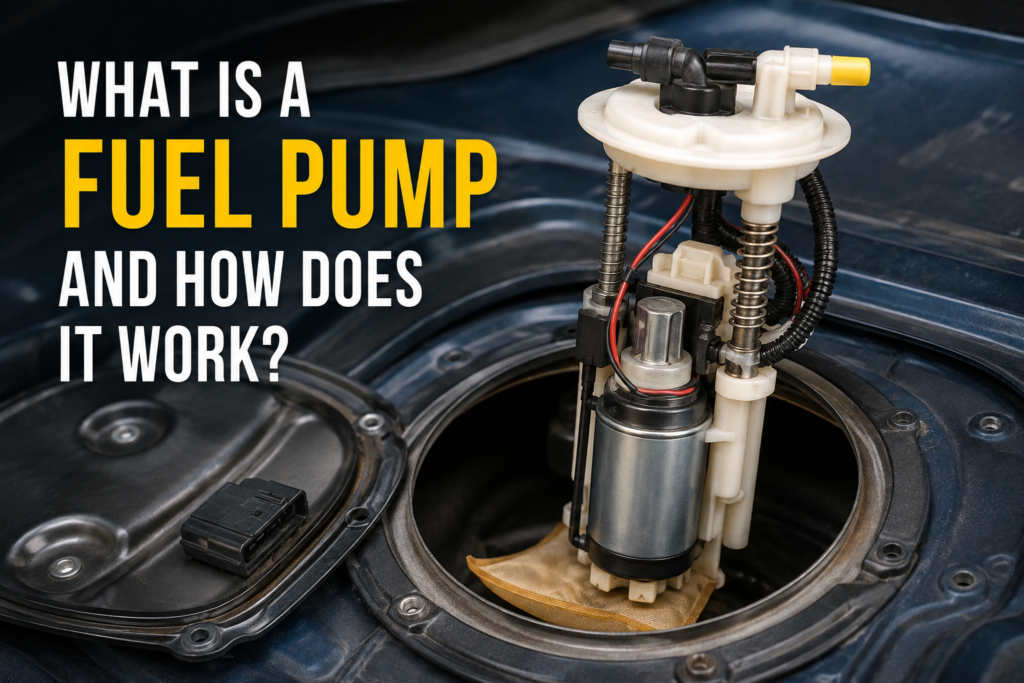
A fuel pump is a mechanical or electrical device that transfers fuel from the fuel tank toward the engine. Its main job is to provide a continuous supply of fuel at the correct pressure.
Most modern gasoline vehicles use an electric fuel pump that is installed inside the fuel tank. This type is commonly called an in tank fuel pump. Some older vehicles used mechanical fuel pumps that were usually mounted on or near the engine.
The exact design depends on the vehicle. However, the basic purpose remains the same. The pump takes fuel from the tank and pushes it through the fuel lines toward the engine.
In vehicles with electronic fuel injection, maintaining proper fuel pressure is especially important. The fuel injectors need fuel at a specific pressure so they can deliver the correct amount into the engine.
How Does a Fuel Pump Work?
The fuel pump operation is actually quite interesting. When you turn the ignition on, the vehicle’s electronic control system can activate the fuel pump for a short period. This helps build fuel pressure before the engine starts.
When the engine begins running, the pump continues supplying fuel as needed.
Here is the basic process.
Fuel is stored inside the fuel tank. The fuel pump draws fuel from the tank through an inlet area that usually includes a small filter or strainer. The pump then pressurizes the fuel and sends it through the fuel lines.
The fuel travels toward the engine and eventually reaches the fuel rail or injectors. The injectors then spray a controlled amount of fuel into the engine.
The engine combines this fuel with air. The mixture is then ignited inside the combustion chamber to produce power.
This entire process happens very quickly and continuously while the engine is running.
Main Parts of a Fuel Pump System
A fuel pump system contains several components that work together. The pump itself is only one part of the complete fuel delivery system.
Fuel Tank
The fuel tank stores the gasoline or diesel used by the vehicle. In many modern cars, the fuel pump is located inside this tank.
Keeping the pump inside the tank also helps cool the electric motor because the surrounding fuel absorbs some of the heat produced during operation.
Fuel Pump Motor
The electric motor provides the power needed to operate the pump. When electrical power reaches the motor, it spins an internal pumping mechanism that moves fuel through the system.
Fuel Strainer
A fuel strainer is normally positioned near the pump inlet. It helps prevent larger particles and contaminants from entering the pump.
A dirty or restricted strainer can reduce fuel flow and may cause the pump to work harder.
Fuel Lines
Fuel lines carry fuel from the tank toward the engine. They are designed to handle the pressure and conditions associated with the vehicle’s fuel system.
Fuel Filter
The fuel filter removes smaller contaminants from the fuel before it reaches sensitive components such as fuel injectors. A clogged fuel filter can restrict fuel flow and create symptoms similar to a weak fuel pump.
Fuel Rail and Injectors
In many fuel injected engines, pressurized fuel reaches a fuel rail. The injectors receive fuel from this rail and deliver it into the engine according to instructions from the engine control system.
Types of Fuel Pumps
There are several types of fuel pumps, but two basic categories are particularly important.
Electric Fuel Pumps
Electric fuel pumps are common in modern vehicles. They are usually located inside the fuel tank, although some systems may use an external pump.
An electric fuel pump can provide the pressure needed by modern fuel injection systems. It is controlled through the vehicle’s electrical and engine management system.
One advantage of an in tank electric fuel pump is that the fuel surrounding the pump can help keep the pump motor cool.
Mechanical Fuel Pumps
Older vehicles with carbureted engines commonly used mechanical fuel pumps. These pumps were usually driven by the engine itself.
As the engine operated, the mechanical movement caused the pump to draw fuel from the tank and send it toward the carburetor.
Mechanical fuel pumps are less common in modern passenger vehicles because electronic fuel injection systems have become standard.
Why Is Fuel Pressure Important?
Fuel pressure is extremely important for proper engine operation. The fuel injectors are designed to work within a particular pressure range.
If fuel pressure is too low, the engine may not receive enough fuel. This can result in poor acceleration, rough running, difficult starting, or engine stalling.
If fuel pressure is too high, the engine may receive more fuel than expected. This can also affect engine performance and emissions.
For this reason, the fuel pump works together with components such as the fuel pressure regulator, fuel injectors, sensors, and engine control unit.
The correct fuel pressure depends on the vehicle and engine design, so specifications should always be checked for the particular vehicle.
Signs of a Bad Fuel Pump
A failing fuel pump can produce several warning signs. In my view, recognizing these symptoms early can help prevent an unexpected breakdown.
Difficulty Starting the Engine
One common symptom is difficulty starting. The engine may take longer than normal to start because the fuel system is not building or maintaining sufficient pressure.
Engine Stalling
A weak or failing fuel pump may cause the engine to stall, especially when the vehicle is under greater demand.
For example, a vehicle might run normally while idling but struggle when accelerating or climbing a hill.
Loss of Engine Power
If the pump cannot supply enough fuel, the engine may lose power. You may notice that the vehicle feels weak during acceleration.
Engine Misfires
Insufficient or inconsistent fuel delivery can contribute to rough running or engine misfires.
However, misfires can have many other causes, including ignition problems, air intake issues, or injector problems.
Unusual Noise From the Fuel Tank
A fuel pump normally produces a quiet operating sound. If you suddenly notice a loud whining sound from the fuel tank area, it may indicate a pump problem.
A noisy pump does not automatically mean the pump is failing, but it is worth investigating if the noise is new or becoming louder.
Poor Fuel Economy
Fuel economy can sometimes change when a fuel system component is not working correctly. However, poor fuel economy has many possible causes, so it should not be used alone to diagnose a fuel pump problem.
What Causes a Fuel Pump to Fail?
Fuel pumps can last for many years, but they are not designed to last forever. Several factors can contribute to failure.
One common issue is contamination inside the fuel system. Dirt or debris can restrict the fuel strainer or damage internal pump components.
Another factor is operating the vehicle with very little fuel for long periods. In many in tank systems, fuel helps cool the electric pump. Regularly driving with a very low fuel level can contribute to additional heat exposure.
Electrical problems can also affect the pump. A weak electrical connection, damaged wiring, faulty relay, or charging system problem may prevent the pump from receiving the correct power.
Normal wear is another possibility. The internal components of a fuel pump eventually become less efficient after extended use.
How Can You Check a Fuel Pump Problem?
Diagnosing a fuel pump should not be based only on symptoms. Several other problems can produce similar signs.
A technician can check fuel pressure using the appropriate test equipment. This can help determine whether the fuel system is producing the pressure required by the vehicle.
The electrical side can also be checked. This may include testing the pump power supply, wiring, connectors, fuse, and relay.
A scan tool can sometimes provide additional information if the vehicle’s computer has stored relevant diagnostic trouble codes.
In my opinion, proper diagnosis is important because replacing a fuel pump can be expensive and time consuming. It makes more sense to confirm the actual problem before replacing parts.
How to Maintain a Fuel Pump
There is no special maintenance procedure that can make a fuel pump last forever, but some good habits can help protect the fuel system.
Using clean and appropriate fuel is important. Following the vehicle manufacturer’s recommended fuel requirements is also a good practice.
Replacing the fuel filter according to the manufacturer’s maintenance schedule can help keep contaminants away from sensitive fuel system components.
I also recommend avoiding the habit of constantly driving until the fuel tank is almost empty. Although occasionally reaching a low fuel level is normal, keeping a reasonable amount of fuel in the tank can be beneficial for vehicles that use an in tank electric pump.
If you notice unusual fuel pump noise, starting problems, stalling, or repeated loss of power, it is better to have the vehicle inspected rather than continuing to ignore the symptoms.
Fuel Pump vs Fuel Injector
The fuel pump and fuel injector perform completely different jobs.
The fuel pump moves and pressurizes fuel. The fuel injector controls how much fuel enters the engine.
You can think of the fuel pump as the component responsible for delivering the fuel supply, while the injector is responsible for accurately releasing the fuel into the engine.
Both components need to work properly for the engine to operate efficiently.
Can a Car Run Without a Fuel Pump?
A modern fuel injected vehicle generally cannot run without a functioning fuel pump. The engine needs a consistent supply of pressurized fuel for the injectors.
If the pump completely stops working, fuel pressure will normally fall and the engine may fail to start or stop running.
Older vehicles with certain mechanical fuel systems were different because their fuel delivery system could use engine driven mechanical pumps.
Final Thoughts
The fuel pump may not be one of the parts drivers think about every day, but it plays a major role in engine operation. Its main responsibility is simple but essential. It moves fuel from the tank to the engine and helps maintain the fuel pressure required by the fuel injection system.
Modern vehicles mainly use electric fuel pumps, with many designs placing the pump inside the fuel tank. The pump works together with the fuel filter, fuel lines, fuel rail, injectors, sensors, and engine control system to provide reliable fuel delivery.
From my point of view, understanding the basic operation of a fuel pump makes it easier to recognize potential problems. Difficult starting, engine stalling, loss of power, unusual pump noise, and poor engine performance can all be reasons to inspect the fuel delivery system.
At the same time, these symptoms do not always mean the fuel pump itself has failed. Proper testing is important before replacing any component.
Taking care of the fuel system, following the manufacturer’s maintenance recommendations, and addressing unusual symptoms early can help keep the vehicle running reliably.