Related Articles
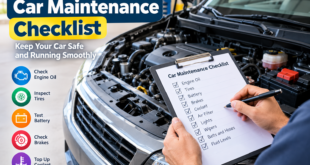

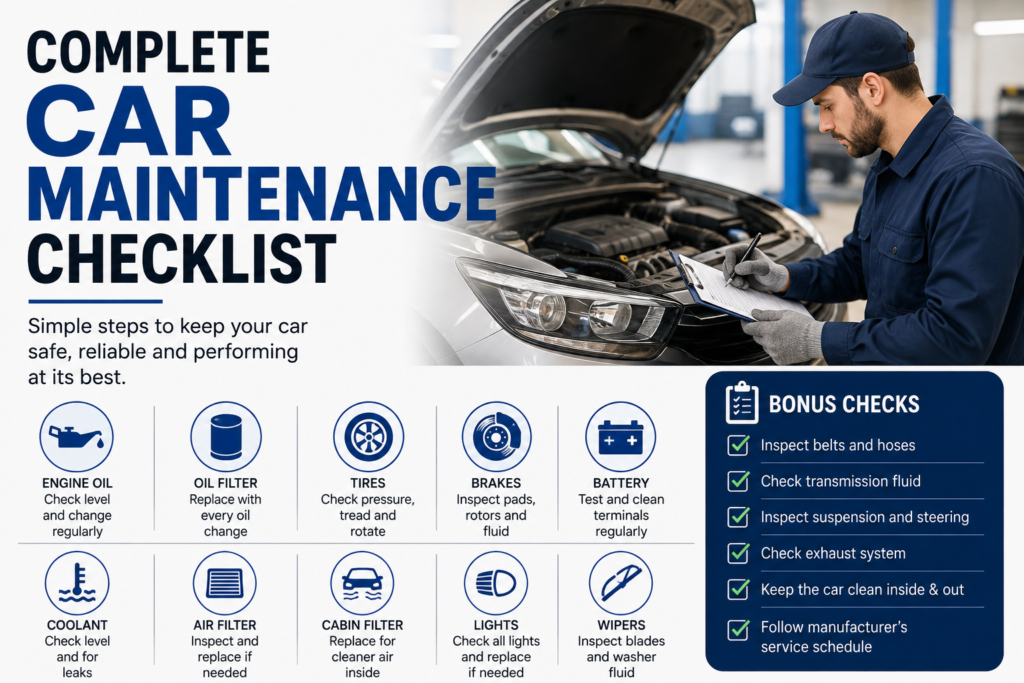
Owning a car is a big responsibility, and I have learned over time that regular maintenance is the key to keeping any vehicle reliable. Many people think car maintenance only means changing the engine oil, but in reality, there are many other components that need regular attention. Ignoring small maintenance tasks today can lead to expensive repairs tomorrow.
I always believe that prevention is much cheaper than repair. A well maintained vehicle not only performs better but also lasts longer, provides better fuel economy, and keeps everyone inside safe. Whether you drive your car every day or only on weekends, following a proper maintenance checklist can save both time and money.
In this article, I will share a complete car maintenance checklist that every vehicle owner should follow to keep their car in excellent condition throughout the year.
Why Regular Car Maintenance Matters
Every part of a vehicle experiences wear over time. Heat, dust, road conditions, and daily driving gradually affect engine components, brakes, suspension, tires, and fluids.
Routine maintenance helps detect small problems before they become major repairs.
A properly maintained vehicle offers smoother performance, better fuel efficiency, improved reliability, increased resale value, and greater safety.
Skipping regular inspections may seem like a way to save money, but it often results in much higher repair costs later.
Check Engine Oil Regularly
Engine oil is the lifeblood of every engine. It lubricates moving parts, reduces friction, and helps control engine temperature.
I always recommend checking the engine oil level at least once every month.
Replace engine oil according to your vehicle manufacturer’s recommended service interval.
Using high quality oil with the correct viscosity helps protect the engine and improve performance.
Also inspect the oil for unusual color or metal particles, which could indicate internal engine problems.
Replace the Oil Filter
Changing the engine oil without replacing the oil filter is not ideal.
The oil filter removes dirt, metal particles, and contaminants from the circulating oil.
A clogged filter reduces oil flow and can increase engine wear.
Replacing both together ensures maximum engine protection.
Inspect Coolant Levels
The cooling system prevents the engine from overheating.
Low coolant levels may cause serious engine damage if ignored.
Check the coolant reservoir regularly and top it up using the recommended coolant type.
Inspect hoses for leaks, cracks, or swelling.
A healthy cooling system keeps the engine operating at its proper temperature.
Check Brake Fluid
Brake fluid transfers pressure from the brake pedal to the braking system.
Low or contaminated brake fluid reduces braking performance.
Check the brake fluid reservoir regularly and replace the fluid according to the maintenance schedule.
If the fluid appears dark or dirty, it may be time for replacement.
Inspect Brake Pads and Rotors
Brakes are one of the most important safety components of any vehicle.
Listen for squeaking or grinding noises while braking.
Inspect brake pads for wear.
Check brake rotors for deep grooves or uneven surfaces.
Replacing worn brake components early improves stopping power and prevents expensive damage.
Check Tire Pressure
Proper tire pressure affects safety, fuel economy, and tire life.
I always check tire pressure at least once a month and before long trips.
Use the pressure recommended by the vehicle manufacturer rather than the maximum pressure printed on the tire.
Correct tire pressure improves handling and reduces uneven tire wear.
Rotate Tires
Rotating tires helps them wear evenly.
Front and rear tires often wear differently because of steering and braking forces.
Following a regular tire rotation schedule extends tire life and improves ride quality.
Inspect Tire Tread
Good tire tread is essential for traction, especially during rain.
Inspect tires regularly for uneven wear, cuts, cracks, or embedded objects.
Replace tires when the tread becomes too shallow.
Driving on worn tires significantly increases stopping distance.
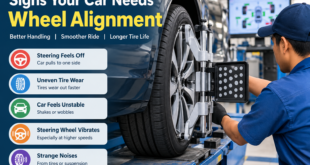
Check Wheel Alignment
If your vehicle pulls to one side or the steering wheel is not centered, wheel alignment may be necessary.
Proper alignment improves steering accuracy, tire life, and fuel efficiency.
Alignment should also be checked after hitting large potholes or replacing suspension components.
Test the Battery
A weak battery often fails without much warning.
Inspect battery terminals for corrosion.
Ensure battery connections remain tight.
Most batteries last several years, but regular testing helps avoid unexpected breakdowns.
If the engine cranks slowly, the battery may require replacement.
Inspect Belts and Hoses
Rubber belts and hoses wear naturally with age.
Inspect them for cracks, fraying, leaks, or excessive wear.
Replacing damaged belts before they break prevents engine overheating and charging system failures.
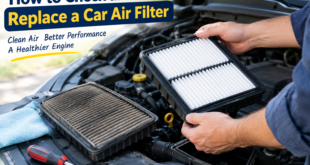
Replace the Air Filter
A clean air filter allows the engine to breathe properly.
A dirty air filter restricts airflow, reducing engine performance and fuel economy.
Inspect the filter during routine servicing and replace it when necessary.
Replace the Cabin Air Filter
The cabin air filter cleans the air entering the vehicle interior.
A dirty cabin filter reduces air conditioning performance and allows dust to enter the cabin.
Replacing it regularly improves passenger comfort and air quality.
Check Windshield Wipers
Good visibility is essential for safe driving.
Inspect windshield wiper blades for cracks or hard rubber.
Replace worn blades that leave streaks on the windshield.
Also ensure the windshield washer reservoir remains filled.
Inspect Lights
Walk around your vehicle occasionally and check every light.
Test headlights, brake lights, reverse lights, turn signals, fog lights, and interior lights.
Replacing faulty bulbs immediately improves road safety.
Inspect Suspension Components
The suspension system keeps the vehicle stable and comfortable.
Watch for excessive bouncing, unusual noises, or uneven tire wear.
Inspect shock absorbers, struts, bushings, ball joints, and control arms during routine servicing.
Healthy suspension improves handling and ride comfort.
Examine Steering Components
Loose steering often indicates worn suspension or steering parts.
Inspect tie rod ends, steering rack components, and power steering fluid if applicable.
Smooth steering increases driver confidence and safety.
Check Transmission Fluid
Automatic transmissions rely on clean transmission fluid for smooth shifting.
Low or contaminated fluid may cause delayed gear changes or transmission damage.
Follow the manufacturer’s maintenance recommendations for inspection and replacement.
Inspect the Exhaust System
A damaged exhaust system may increase noise, reduce fuel efficiency, and allow harmful gases to enter the cabin.
Check for rust, loose mounts, leaks, or unusual sounds.
Repairing exhaust problems early prevents larger repairs later.
Keep the Exterior Clean
Regular washing removes dirt, road salt, and contaminants that can damage paint.
Applying wax occasionally helps protect the paint surface.
Cleaning the underbody is especially important in areas where roads are treated with salt during winter.
Clean the Interior
A clean interior creates a more comfortable driving experience.
Vacuum carpets, wipe dashboard surfaces, and clean seats regularly.
Keeping the cabin clean also helps maintain the vehicle’s resale value.
Listen for Unusual Noises
One habit I have developed is paying attention to unusual sounds.
Clunking, grinding, squealing, knocking, or rattling noises often indicate developing mechanical problems.
Addressing these sounds early usually prevents larger repair bills.
Follow the Manufacturer’s Service Schedule
Every vehicle has a maintenance schedule created by its manufacturer.
This schedule outlines recommended service intervals for fluids, filters, spark plugs, timing components, and inspections.
Following this schedule is one of the best ways to maximize vehicle reliability.
Keep Maintenance Records
Maintaining detailed service records makes future maintenance easier.
It also increases resale value because buyers appreciate proof that the vehicle has been properly maintained.
Record every oil change, filter replacement, tire rotation, brake service, and major repair.
Final Thoughts
In my opinion, regular maintenance is one of the smartest investments any car owner can make. A complete maintenance routine does much more than prevent breakdowns. It improves engine performance, increases fuel efficiency, extends the life of expensive components, and makes every drive safer and more enjoyable. Simple tasks such as checking engine oil, monitoring tire pressure, inspecting brakes, replacing filters, testing the battery, and following the recommended service schedule can prevent costly repairs and unexpected problems.
Cars are designed to last for many years, but they need proper care to perform at their best. By following this complete car maintenance checklist and staying consistent with routine inspections, you can enjoy a smoother driving experience, lower maintenance costs, and greater confidence every time you get behind the wheel. A little attention today can save a great deal of money and stress in the future.