Related Articles
When I started learning more about cars, I realized that tires are one of those parts many drivers use every day but do not fully understand. We usually notice them when they become flat, worn out, or damaged. However, car tires play a much bigger role in driving safety, handling, braking, comfort, and fuel economy.
In my opinion, understanding the basics of car tires can help every driver make better decisions. You do not need to become a tire expert, but knowing how to read tire markings, check tire pressure, identify wear, and choose the right tires can save money and make driving safer.
This beginner’s guide to car tires explains the important things every new driver should know.
What Are Car Tires?
Car tires are the rubber components mounted around the wheels of a vehicle. Their main job is to maintain contact between the vehicle and the road. Although that sounds simple, tires perform several important functions at the same time.
They support the weight of the vehicle, help the car accelerate, provide grip while cornering, and allow the vehicle to stop safely. Tires also absorb some road imperfections, which contributes to a smoother ride.
The condition of your tires can have a direct effect on how your car behaves. Even a well maintained vehicle can become difficult to control if its tires are severely worn or incorrectly inflated.
Understanding Tire Size
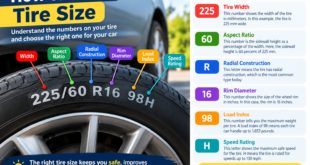
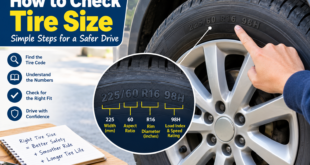
One of the first things beginners should learn is how to read tire size. You can usually find the recommended tire size in the vehicle owner’s manual, on a sticker inside the driver’s door, or sometimes near the fuel door.
A common tire marking might look something like 205/55 R16 91V.
The number 205 represents the tire width in millimeters. The number 55 represents the aspect ratio, which means the sidewall height is 55 percent of the tire width.
The letter R means the tire uses radial construction. The number 16 represents the wheel diameter in inches.
The number 91 is the load index, which indicates the maximum load the tire can carry under specified conditions. The letter V is the speed rating, which indicates the maximum speed capability of the tire under its rated conditions.
You do not necessarily need to memorize every number. What matters most is making sure replacement tires meet the specifications recommended for your vehicle.
Why Tire Pressure Matters
Tire pressure is one of the simplest things you can check, yet many drivers ignore it.
Proper tire pressure helps maintain good handling, braking performance, tire life, and fuel efficiency. Underinflated tires have more rolling resistance and can generate additional heat. Overinflated tires can reduce the contact area with the road and may make the ride feel harsher.
I recommend checking tire pressure regularly, especially before a long trip. Always use the recommended pressure listed by the vehicle manufacturer rather than simply copying the maximum pressure printed on the tire sidewall.
It is also important to check pressure when the tires are cold because driving creates heat that temporarily increases tire pressure.
What Is Tire Tread?
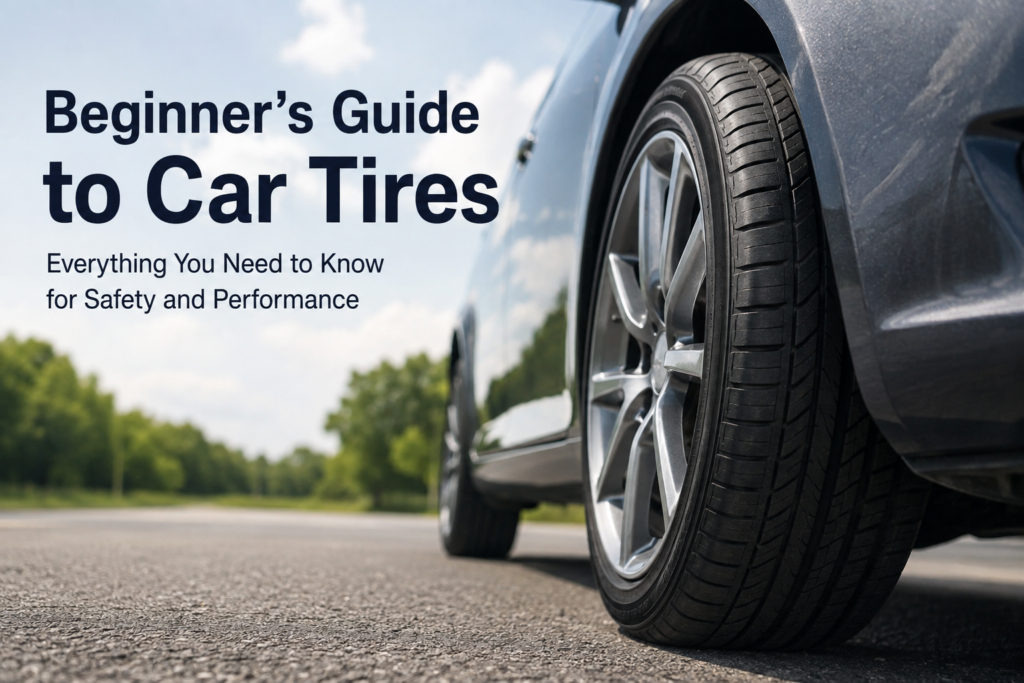
The tread is the patterned part of the tire that makes contact with the road. It contains grooves, blocks, and channels designed to provide traction and move water away from the contact area.
As tires are driven, their tread gradually wears down. A tire with healthy tread generally provides better grip than one that is heavily worn, especially on wet roads.
Many tires have tread wear indicators built into the grooves. When the tread becomes level with these indicators, the tire is approaching the end of its useful tread life and should be inspected carefully.
However, tread depth is not the only thing that matters. A tire can have reasonable tread but still need replacement because of cracks, age, uneven wear, punctures, or other damage.
Different Types of Car Tires
There are several types of car tires, and each type is designed for different driving conditions.
All Season Tires
All season tires are designed to provide balanced performance in a wide range of normal driving conditions. They are popular because they offer a practical combination of dry road grip, wet performance, comfort, and durability.
For many everyday drivers, all season tires are a convenient choice.
Summer Tires
Summer tires are designed to provide strong grip in warm weather. They can offer excellent dry and wet road performance when temperatures are suitable.
However, they are not intended for severe winter conditions.
Winter Tires
Winter tires are specially designed for cold temperatures and winter road conditions. Their rubber compounds remain more flexible in cold weather, while their tread patterns are designed to improve traction on snow and ice.
Drivers who regularly experience severe winter conditions may benefit significantly from dedicated winter tires.
Performance Tires
Performance tires are designed with handling and grip as major priorities. They may provide better cornering response and braking performance, but they can sometimes have shorter tread life or produce more road noise than comfort focused tires.
How to Choose the Right Car Tires
Choosing car tires should not be based only on price. I believe it is better to consider how and where you normally drive.
If you mostly drive around a city, you may prioritize comfort, wet grip, durability, and low road noise. If you frequently travel on highways, stability and braking performance may become more important.
Your local climate also matters. Drivers who experience very hot weather should consider tires designed to perform well in those conditions. Drivers who regularly face snow and freezing temperatures need to consider winter tire requirements.
Always confirm the correct size, load rating, and speed rating for your vehicle before purchasing new tires.
How to Check Tire Condition
A quick visual inspection can tell you a lot about your tires.
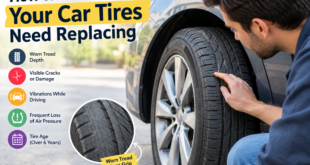
Look for cracks on the sidewalls, cuts, bulges, exposed cords, nails, or other objects. Check whether the tread is wearing evenly across the tire.
If the center of the tread is wearing faster than the edges, the tire may be overinflated. If the edges are wearing faster, underinflation may be involved. Uneven wear on one side can sometimes indicate alignment or suspension problems.
If you notice unusual wear, it is better to have the vehicle inspected rather than simply replacing the tire and ignoring the underlying problem.
Tire Rotation and Alignment
Tire rotation helps distribute wear more evenly between tires. Different vehicles place different demands on their tires, particularly front wheel drive vehicles where the front tires often handle steering and a greater share of braking and acceleration duties.
Your vehicle manufacturer may provide a recommended rotation schedule.
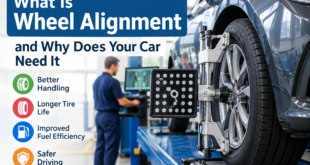
Wheel alignment is another important consideration. Incorrect alignment can cause uneven tire wear and may affect how the vehicle tracks on the road.
If your car pulls noticeably to one side or the steering wheel does not remain centered while driving on a reasonably straight road, an alignment inspection may be worthwhile.
When Should You Replace Car Tires?
There is no single mileage number that applies to every tire. Tire life depends on driving style, road conditions, climate, vehicle weight, tire design, maintenance, and storage conditions.
You should consider replacing tires when the tread reaches the manufacturer or legal replacement limit, when there is serious damage, or when the tire shows significant cracking or deterioration.
Older tires should also be inspected carefully even if they have not been driven extensively. Rubber changes over time, so age is another factor worth considering.
If you are unsure about a tire’s condition, having it inspected by a qualified tire professional is a sensible choice.
Common Tire Mistakes Beginners Make
One common mistake is waiting until a tire looks completely worn before checking it. Regular inspections can identify problems much earlier.
Another mistake is using incorrect tire pressure. Some drivers check pressure only when a warning light appears. I think checking it manually as part of normal vehicle maintenance is a much better habit.
Ignoring small vibrations is another problem. A vibration can sometimes be related to tire balance, wheel damage, alignment, or another mechanical issue.
Some drivers also replace only one tire without considering the condition of the others. Tire replacement should be approached according to the vehicle manufacturer’s recommendations and the condition of the complete set.
How to Make Your Tires Last Longer
Good driving habits can help extend tire life.
Avoid unnecessary hard acceleration and aggressive braking. Try to avoid hitting potholes and road edges at high speed. Keep tire pressure at the recommended level and rotate the tires according to the vehicle manufacturer’s maintenance schedule.
Regularly inspect your tires and pay attention to changes in handling, noise, or vibration.
Keeping your wheels properly aligned can also help prevent uneven tread wear.
These simple habits can improve tire longevity and reduce the chance of unexpected problems.
Final Thoughts
Car tires are much more important than they may appear. They are the only parts of your vehicle that continuously touch the road, so their condition directly affects safety and driving performance.
For beginners, the most important things to understand are tire size, tire pressure, tread condition, tire type, uneven wear, and replacement signs. Once you understand these basics, choosing and maintaining car tires becomes much easier.
In my view, you do not have to spend a fortune on the most expensive tires available. The better approach is to choose quality tires that match your vehicle, driving conditions, climate, and budget.
A few minutes spent checking tire pressure and inspecting the tread can make a meaningful difference. Good tires combined with proper maintenance can give you better control, safer braking, improved comfort, and greater confidence every time you drive.