Related Articles
When people talk about improving a car’s handling, acceleration, or braking, they often focus on the engine, suspension, or brakes. In my opinion, one of the most important upgrades is often overlooked because tires are the only part of the car that actually touches the road. This is where performance tires become important.
Performance tires are designed to give a vehicle better grip, sharper handling, stronger braking performance, and more confident cornering than many standard tires. They are especially popular with sports cars, performance vehicles, and drivers who enjoy a more responsive driving experience.
In this article, I will explain what performance tires are, how they work, their advantages and disadvantages, and whether they are actually worth buying for everyday driving.
What Are Performance Tires?
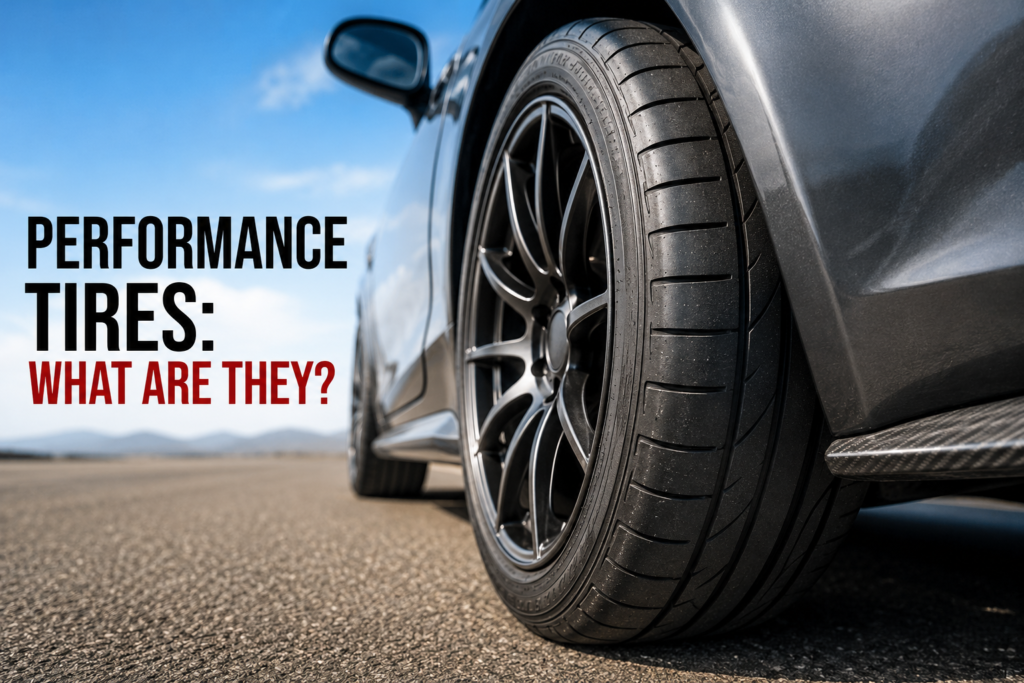
Performance tires are specially designed tires that focus more on handling, traction, steering response, and road grip. While regular tires are usually designed to provide a balanced combination of comfort, fuel economy, durability, and traction, performance tires place greater emphasis on driving response and grip.
The rubber compounds, tread patterns, sidewall construction, and internal materials are carefully developed to help the tire remain stable when a vehicle is driven at higher speeds or through corners.
One thing I have noticed about performance tires is that they can make a car feel completely different even when the engine and suspension remain unchanged. Steering can feel quicker, cornering can feel more controlled, and braking can feel more confident.
How Do Performance Tires Work?
Performance tires work by increasing the tire’s ability to maintain contact with the road during demanding driving conditions.
A major factor is the rubber compound. Performance tires often use specialized rubber compounds that can provide strong grip, particularly on dry pavement. This allows the tire to generate more traction when accelerating, braking, and cornering.
The tread design is another important factor. Many performance tires have larger tread blocks and patterns designed to provide a wider and more stable contact area. This can improve steering response and cornering stability.
The sidewalls also play an important role. Performance tires often have stronger and stiffer sidewalls than ordinary passenger tires. A stiffer sidewall can reduce excessive tire flex when the car changes direction quickly.
All of these features work together to make the vehicle feel more connected to the road.
Main Features of Performance Tires
There are several features that separate performance tires from conventional tires.
Better Road Grip
The biggest reason people choose performance tires is improved grip. A good performance tire can provide excellent traction on dry roads, allowing the driver to accelerate, brake, and corner with greater confidence.
This is particularly useful for vehicles with powerful engines because more engine power means the tires need to handle more traction demands.
Sharper Steering Response
Performance tires are designed to respond quickly to steering inputs. When you turn the steering wheel, the tire reacts with less delay.
For me, this is one of the most noticeable differences between standard tires and performance tires. The car can feel more precise, especially when changing lanes or taking corners.
Improved Cornering
Cornering is another area where performance tires can make a major difference. Their construction helps maintain stability when the vehicle is turning at higher speeds.
A quality performance tire can provide more predictable handling and help the driver maintain a better line through a corner.
Stronger Braking Performance
Tires have a major influence on braking because they are responsible for transferring braking force to the road.
Performance tires can provide strong traction during braking, particularly on dry pavement. This can help a vehicle stop more effectively when the conditions and tire temperature are suitable.
Of course, braking performance also depends on the vehicle’s brakes, suspension, weight, road surface, and driving conditions.
Performance Tires vs Regular Tires
The difference between performance tires and regular tires mainly comes down to priorities.
Regular passenger tires are generally designed for everyday driving. They often focus on comfort, long tread life, fuel efficiency, and reasonable traction.
Performance tires focus more heavily on handling and grip.
For example, if I were choosing tires for a vehicle that I use mainly for commuting, I would consider comfort, durability, and wet weather performance along with handling. If I owned a sports car and wanted a more exciting driving experience, I would give performance tires much more consideration.
Neither type is automatically better. The right choice depends on how the vehicle is used.
Types of Performance Tires
Performance tires are available in several categories.
Summer Performance Tires
Summer performance tires are designed primarily for warm weather. They can provide excellent dry and wet road grip when temperatures are suitable.
These tires are popular with sports car owners and drivers who want maximum handling performance during warmer months.
However, summer performance tires are generally not designed for severe winter conditions. Cold temperatures can make their rubber compound less flexible, reducing traction.
All Season Performance Tires
All season performance tires attempt to provide a balance between handling and year round usability.
They may offer better wet and cool weather versatility than dedicated summer performance tires while still providing sharper handling than some ordinary all season tires.
For drivers who want a sporty feel without changing tires during the year, this category can be worth considering.
Ultra High Performance Tires
Ultra high performance tires are designed for drivers who want an even greater focus on handling, steering response, and high speed stability.
They are commonly fitted to powerful sports sedans, coupes, and other performance oriented vehicles.
These tires can deliver impressive road performance, but they may also cost more and wear faster than conventional passenger tires.
Are Performance Tires Good for Daily Driving?
Yes, performance tires can be used for daily driving, but whether they are the best choice depends on your priorities.
If you enjoy responsive steering and sharper handling, performance tires can make everyday driving more enjoyable. You may notice the difference when entering corners, changing lanes, or driving on winding roads.
However, there are compromises.
Some performance tires can produce more road noise than touring tires. Ride quality can also feel firmer because of their construction. Tread life may be shorter, especially if the tires are driven aggressively.
For a driver who spends most of the time on highways and city roads, a touring or high quality all season tire may offer a better overall balance.
Advantages of Performance Tires
There are several reasons drivers choose performance tires.
First, they can provide excellent dry road grip. This is especially useful for drivers who enjoy spirited driving.
Second, they can improve steering response. A vehicle can feel more precise and easier to place on the road.
Third, performance tires can improve cornering confidence. The vehicle may feel more stable during turns.
Fourth, they can provide strong braking traction under suitable conditions.
Finally, performance tires can change the overall character of a vehicle. Even an ordinary sporty sedan can feel more responsive when fitted with a good set of tires.
Disadvantages of Performance Tires
Performance tires are not perfect.
One common disadvantage is price. High quality performance tires can cost more than standard passenger tires.
Another issue is tread life. The softer compounds used by many performance tires can wear faster, especially when the vehicle is driven aggressively.
Ride comfort can also be reduced. A tire designed for handling may not absorb bumps as comfortably as a tire designed primarily for comfort.
Fuel economy can sometimes be affected as well, depending on the tire design, size, construction, and rolling resistance.
Cold weather is another important consideration. Some summer performance tires can lose flexibility and traction when temperatures become very low.
Do Performance Tires Improve Handling?
In many cases, yes. Tires are one of the most important factors affecting vehicle handling.
A performance tire can provide better grip and a more responsive connection between the steering system and the road. However, tires cannot overcome every limitation of a vehicle.
Suspension condition, wheel alignment, tire pressure, vehicle weight, and driving technique also affect handling.
This is why I would never recommend buying performance tires without first making sure the vehicle itself is properly maintained.
How Long Do Performance Tires Last?
The lifespan of performance tires varies significantly.
Driving style, road conditions, tire pressure, alignment, climate, vehicle weight, and tire compound all affect tread life.
Aggressive acceleration, hard braking, and frequent high speed cornering can cause faster wear.
A driver who uses performance tires mostly for normal commuting may get considerably more mileage than someone who frequently drives aggressively.
Regular tire inspections and correct inflation pressure can help maximize tire life.
Are Performance Tires Worth It?
Whether performance tires are worth the money depends on what you want from your vehicle.
If your main goal is comfort, long tread life, and low running costs, performance tires may not be the best option.
If you care about steering response, cornering grip, braking traction, and a more engaging driving experience, they can be a worthwhile investment.
Personally, I think the biggest mistake is choosing tires only because they look sporty. A tire should match the vehicle, climate, road conditions, and driving habits.
A high performance tire that is poorly suited to your environment may not provide the benefits you expect.
Things to Consider Before Buying Performance Tires
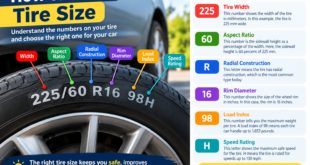
Before purchasing performance tires, I recommend checking the tire size specified for your vehicle. You should also consider the speed rating, load rating, weather conditions, road quality, and expected mileage.
Think about where you normally drive. If you mostly drive through city traffic, you may not need an extreme performance tire.
If you regularly drive on winding roads or own a vehicle designed for sporty driving, a performance tire may make much more sense.
It is also important to maintain proper tire pressure. Even an expensive performance tire cannot perform correctly if it is underinflated or overinflated.
Final Thoughts
Performance tires are designed for drivers who want more from their vehicle than basic transportation. They focus on grip, handling, steering response, braking traction, and road stability.
In my view, the biggest benefit is the way they can change how a car feels. You do not necessarily need more horsepower to make a vehicle feel more responsive. Sometimes the right set of tires can make a surprisingly noticeable difference.
At the same time, performance tires come with compromises. They can be more expensive, wear faster, produce more road noise, and provide a firmer ride than comfort focused tires.
The best tire is not always the most aggressive tire. The best tire is the one that matches your vehicle, driving habits, climate, and priorities.
If you understand these differences before buying, you can choose performance tires with confidence and get the handling benefits you are actually looking for.