Related Articles
Choosing the right wheel size for your car is more important than simply picking a wheel that looks good. I have seen many drivers choose larger wheels because they like the aggressive appearance, only to discover later that the ride becomes uncomfortable or the tires become more expensive. The right wheel size should match your car, your driving habits, your road conditions, and your personal preferences.
In my opinion, the best wheel size is not always the largest wheel that can fit your car. A good wheel should provide the right balance between appearance, comfort, handling, safety, and cost. Before buying new wheels, it is worth understanding wheel diameter, wheel width, tire size, offset, and fitment.
What Does Wheel Size Mean?
When people talk about wheel size, they are usually referring to the diameter of the wheel. For example, a 17 inch wheel has a diameter of 17 inches from one edge of the wheel to the other.
However, wheel size involves more than diameter. Wheel width also matters because it determines what tire sizes can be safely installed. You also need to consider the wheel offset, bolt pattern, center bore, and available space around the suspension and brakes.
For example, a wheel specification may look like 18 x 8. The first number represents the wheel diameter, while the second number represents the width. Both measurements are important when choosing the right wheel size for your vehicle.
Start With Your Car Manufacturer Specifications
The first thing I recommend is checking your vehicle manufacturer specifications. Your owner’s manual is one of the best places to find approved wheel and tire sizes.
Many vehicles are designed to use more than one wheel size. A car may come from the factory with 16 inch wheels, while a higher trim level may use 17 or 18 inch wheels. This does not automatically mean that every larger wheel will fit your particular vehicle.
The manufacturer’s recommended sizes give you a safe starting point. They can also help you understand the correct tire dimensions, load rating, and speed rating for your car.
If you no longer have the owner’s manual, you can usually find the original tire size on the information label inside the driver’s door area. I always recommend checking this information before purchasing wheels.
Consider Wheel Diameter
Wheel diameter has a major effect on how your car looks and feels. Larger wheels usually create a sportier and more modern appearance. They can also allow you to use lower profile tires, which may improve steering response.
However, larger wheels are not automatically better.
A larger wheel usually means there is less tire sidewall available. The sidewall is the portion of the tire between the wheel and the road. A taller sidewall can absorb bumps, potholes, and rough surfaces more effectively.
If you regularly drive on smooth roads, a larger wheel may be a good choice. If your daily routes include potholes, broken pavement, or uneven roads, a smaller wheel with a taller tire may provide better comfort and protection.
Think About Wheel Width
Wheel width is another important part of choosing the right wheel size. A wider wheel can provide a wider contact area when paired with an appropriate tire. This can improve the appearance and may benefit handling in certain applications.
However, wider does not always mean better.
A wheel that is too wide for your vehicle can create clearance problems. It may also require a tire size that is unsuitable for the vehicle. Before choosing a wider wheel, make sure the combination is approved for your car.
I personally prefer choosing a wheel width that works naturally with the vehicle instead of trying to create an extreme appearance. A properly matched wheel and tire combination usually performs better and causes fewer problems.
Understand Tire Size
When choosing wheel size, you cannot look at the wheel alone. The tire is equally important.
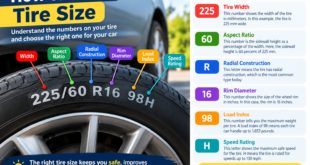
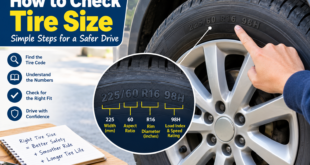
For example, a tire specification such as 225/45R17 contains several pieces of information. The first number represents the tire width in millimeters. The second number represents the sidewall height as a percentage of the tire width. The letter R indicates radial construction, and the final number represents the wheel diameter.
When you increase wheel diameter, you normally need a lower profile tire to keep the overall tire diameter close to the original specification.
This is important because changing the overall tire diameter too much can affect speedometer accuracy, gearing, handling, and electronic vehicle systems.
Do Not Ignore Wheel Offset
Wheel offset determines how the wheel sits in relation to the vehicle’s suspension and body.
A wheel with the wrong offset can sit too far inward or too far outward. If it sits too far inward, it may come close to suspension components. If it sits too far outward, it may rub against the fender or create other clearance problems.
This is one reason I would never choose a wheel based only on diameter and width. Two wheels with the same diameter and width can fit differently because their offsets are different.
Before buying aftermarket wheels, check the recommended offset for your specific vehicle.
Check The Bolt Pattern
The bolt pattern must match your vehicle. It describes the number of wheel mounting holes and the diameter of the circle formed by those holes.
For example, a wheel may have a five lug configuration, but that does not mean every five lug wheel will fit every five lug vehicle. The spacing between the mounting holes must also match.
Using the wrong bolt pattern is not something that should be corrected with force or improvisation. Always purchase wheels specifically designed for your vehicle’s bolt pattern.
Pay Attention To Brake Clearance
Brake clearance is another consideration that is sometimes forgotten. Larger brakes may require larger wheels because the wheel needs enough internal space around the brake caliper.
This is especially important if your vehicle has performance brakes or if you have modified the braking system.
A wheel may have the correct diameter but still fail to provide enough clearance for the brake components. If you are unsure, have a qualified wheel specialist confirm the fitment before purchasing.
Consider Your Driving Conditions
Your local roads should influence your wheel choice.
If you drive mostly on smooth highways and well maintained city streets, larger wheels with lower profile tires can be enjoyable. They can give the vehicle a sharper appearance and more responsive steering feel.
If you drive on rough roads, smaller wheels with taller sidewalls may be more practical. The additional tire sidewall provides more cushioning between the road and the wheel.
This is particularly important if potholes are common in your area. A low profile tire can be more vulnerable to damage when it hits a deep pothole.
For everyday driving, I believe practicality should come before appearance. A wheel that looks great but constantly causes discomfort or damage is not a good investment.
Think About Comfort
Wheel size can noticeably change the driving experience.
Smaller wheels generally allow for taller tires, which can make the ride smoother. Taller sidewalls can absorb more road imperfections before those impacts reach the suspension and cabin.
Larger wheels with lower profile tires usually create a firmer feel. Some drivers enjoy this because it can make the steering feel more direct. Others may find the ride too harsh.
There is no universal answer because comfort depends on the vehicle, suspension setup, tire construction, road quality, and tire pressure.
Consider Handling And Steering
Wheel and tire size can also influence handling.
A properly selected larger wheel and suitable tire combination can provide quicker steering response. The shorter tire sidewall can flex less during cornering, which may make the vehicle feel more precise.
However, adding larger wheels can also increase weight. Heavy wheels can affect acceleration, braking, suspension response, and fuel economy.
For this reason, I would not choose a wheel simply because it is large. If performance is important to you, look at the complete wheel and tire combination rather than diameter alone.
Think About Fuel Economy
Wheel size can have an effect on fuel economy, although the actual result depends on many factors.
Larger wheels and tires can weigh more and may create additional rolling resistance. This can require more energy to move the vehicle.
If fuel economy is your priority, sticking close to the manufacturer’s recommended wheel and tire size is usually a sensible approach.
For drivers who prioritize appearance and handling, the small change in fuel consumption may be acceptable. It comes down to what matters most to you.
Consider The Cost
The cost of larger wheels does not stop at the wheels themselves.
Larger wheels often require larger tires, and larger tires can be more expensive. Replacement costs may also be higher if you damage a wheel or tire.
Low profile tires can sometimes be more expensive because of their construction and size. They may also be less forgiving when driving over potholes.
Before upgrading, I recommend calculating the total cost of four wheels, four tires, installation, balancing, and future tire replacement. This gives you a much more realistic idea of the investment.
Do Not Forget Tire Load And Speed Ratings
The tire you choose must be suitable for your vehicle. Load rating tells you how much weight the tire can safely support, while speed rating indicates the maximum speed capability under specified conditions.
A wheel upgrade should never involve choosing a tire with an inadequate load rating.
Always compare the replacement tire specifications with your vehicle requirements. If you are unsure, ask a professional tire technician for advice.
How To Choose The Right Wheel Size For Your Needs
For most drivers, I recommend starting with the original factory wheel size and then considering a modest upgrade if there is a clear reason to do so.
If you want more comfort, a smaller wheel with a taller tire may be the better option.
If you want a sportier appearance and sharper steering, a larger wheel with a suitable lower profile tire may make sense.
If you want a balance between comfort and appearance, moving up one wheel size while maintaining an appropriate overall tire diameter can be a practical solution.
The key is to make sure the complete combination remains compatible with your vehicle.
Common Mistakes To Avoid
One common mistake is choosing wheels based only on appearance. A wheel can look fantastic in a showroom but still be unsuitable for your vehicle.
Another mistake is ignoring offset. Incorrect offset can create rubbing and clearance problems.
Some people also forget about tire diameter. Changing the tire diameter significantly can affect the vehicle’s systems and driving characteristics.
Another mistake is buying very heavy wheels. Weight matters, especially if you care about performance and efficiency.
Finally, avoid guessing when it comes to fitment. Vehicle specific measurements matter, and professional confirmation is worth the effort.
Final Thoughts
Choosing the right wheel size is about finding the right balance. The biggest wheel is not necessarily the best wheel, and the smallest wheel is not always the most practical choice.
In my view, the ideal wheel size should match your vehicle’s specifications, your driving conditions, your comfort preferences, your budget, and the appearance you want.
Before making a purchase, check the manufacturer’s recommended sizes, wheel diameter, wheel width, tire size, offset, bolt pattern, center bore, brake clearance, and tire ratings. Looking at all of these factors together can help you avoid expensive mistakes.
A good wheel upgrade should make your car look better while still allowing it to drive safely and comfortably. When you choose the right wheel size instead of simply choosing the largest option available, you are more likely to enjoy the result every time you get behind the wheel.