Related Articles
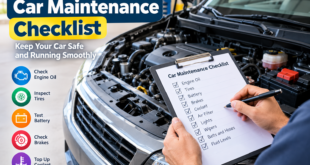

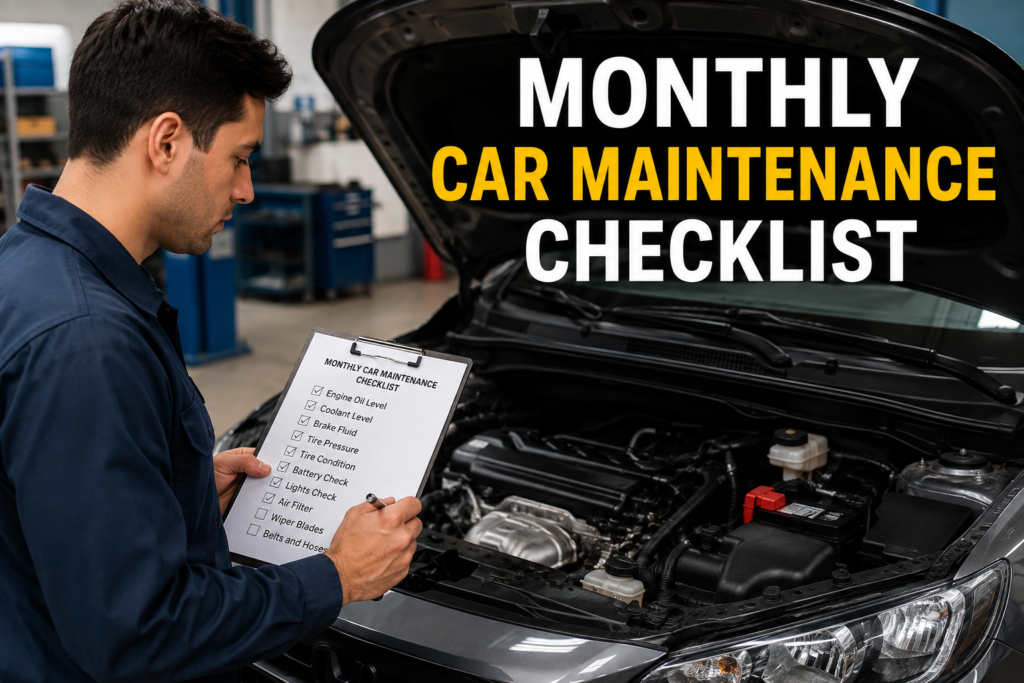
Keeping a car in good condition does not always require a trip to the mechanic. In my experience, many common car problems can be noticed early with a simple monthly car maintenance checklist. Spending a little time checking your vehicle every month can help you avoid unexpected breakdowns, improve safety, and keep your car running smoothly.
A monthly car maintenance routine is especially useful for people who drive every day. Your car deals with traffic, heat, dust, potholes, rain, and long journeys, so small issues can develop without being obvious from the driver’s seat. A quick inspection gives you the opportunity to find those problems before they become expensive repairs.
Here is my practical monthly car maintenance checklist that every driver can follow.
Check the Engine Oil
Engine oil is one of the first things I recommend checking every month. Oil lubricates the internal engine components and helps reduce friction and heat. If the oil level becomes too low, the engine can suffer serious damage.
Park the car on a level surface and allow the engine to cool if necessary. Check the oil level using the dipstick if your vehicle has one. The oil should normally sit between the marked levels.
I also pay attention to the oil condition. Very dark oil does not automatically mean it is bad, because oil naturally becomes darker as it works. However, if the oil looks unusually dirty, smells strongly of fuel, or the level keeps dropping, it is worth having the vehicle inspected.
Always use the oil grade recommended in your vehicle owner’s manual.
Inspect the Tires
Tire maintenance should be part of every monthly car maintenance checklist because tires directly affect braking, handling, comfort, and fuel economy.
Check the pressure of all four tires when they are cold. Do not rely only on how the tires look. A tire can be significantly underinflated without appearing completely flat.
The recommended tire pressure can usually be found on a sticker inside the driver’s door area or in the owner’s manual.
While checking pressure, inspect the tires for cuts, cracks, bulges, nails, or unusual wear. If one tire is losing pressure repeatedly, there may be a puncture or another problem that needs attention.
Do not forget the spare tire. A spare that has been ignored for years may not be ready when you actually need it.
Check the Coolant Level
Engine coolant helps control operating temperature and protects the cooling system. I recommend checking the coolant reservoir once a month, particularly before long trips or during very hot weather.
Only check coolant according to the safety instructions in your owner’s manual, and never open a hot cooling system because pressurized coolant can cause serious burns.
If the coolant level is regularly falling, do not simply keep adding more. A leak may be present somewhere in the cooling system.
Also look around the engine bay and underneath the vehicle for signs of coolant leakage. Any unusual colored liquid or sweet smell should be investigated.
Inspect the Brakes
You may not be able to perform a complete brake inspection at home, but you can still pay attention to warning signs.
When driving, notice whether the brake pedal feels different than usual. A soft pedal, vibration, pulling to one side, grinding sound, or squealing noise can indicate that the braking system needs inspection.
I also recommend checking the brake fluid reservoir if it is accessible and the owner’s manual allows you to do so. A low brake fluid level can sometimes indicate worn brake components or a leak.
Never ignore a major change in braking performance. Your brakes are one of the most important safety systems in the vehicle.
Check the Battery
A weak battery can leave you stranded without much warning. Once a month, inspect the battery area if it is accessible.
Look for corrosion around the terminals, damaged cables, or signs of leakage. Make sure the battery is securely mounted and that the connections appear clean and tight.
If your car has been starting slowly, especially in the morning, pay attention to that warning sign. A battery that struggles to start the engine may need testing.
Battery life varies depending on climate, driving habits, and vehicle type, so there is no single replacement schedule that applies to every car.
Test All Lights
Lighting checks are simple but often forgotten.
Walk around the vehicle and make sure the headlights, high beams, parking lights, brake lights, turn signals, reverse lights, and hazard lights are working properly.
A family member or friend can help you check the brake lights while you press the brake pedal.
Replace faulty bulbs as soon as possible. Good lighting helps you see the road and helps other drivers see your vehicle.
Check Windshield Wipers and Washer Fluid
Clear visibility is essential for safe driving, especially during rain.
Inspect your windshield wiper blades for cracks, splitting, or hard rubber. If the blades leave streaks or miss sections of the windshield, they may need replacement.
Check the windshield washer fluid level as well. I prefer keeping the reservoir reasonably full because you never know when dust, mud, or insects will reduce visibility.
Avoid using ordinary household cleaning products unless they are specifically suitable for vehicle washer systems.
Inspect Belts and Hoses
With the engine switched off and cooled, take a quick look at the visible belts and hoses.
Look for cracks, fraying, swelling, loose connections, or obvious damage. Rubber components become worn over time because of heat and age.
You should not attempt complicated repairs yourself if you are unsure about what you are seeing. The purpose of a monthly inspection is to notice something unusual early and arrange professional help when necessary.
Check the Air Filter
The engine air filter prevents dirt and debris from entering the engine. A clogged filter can affect airflow and may contribute to reduced engine performance and fuel economy.
The replacement interval depends on the vehicle, driving environment, and manufacturer recommendations. If you regularly drive on dusty roads, the filter may become dirty faster.
Checking the air filter every month does not mean replacing it every month. It simply gives you an opportunity to notice its condition and follow the recommended service schedule.
Look Under the Car
One of my favorite simple car maintenance habits is checking the ground where the vehicle has been parked.
Look for fresh fluid spots or puddles. Engine oil, coolant, brake fluid, transmission fluid, and other fluids can sometimes leave visible signs when a leak develops.
Not every puddle means there is a serious problem. Water dripping from the air conditioning system, for example, can be completely normal. However, unexplained fluid leaks should not be ignored.
If you notice a new leak, identify the location and have it checked.
Check the Steering and Suspension
Pay attention to how your car feels while driving.
Does the steering wheel shake at certain speeds? Does the car pull to one side? Do you hear knocking sounds when driving over bumps? Does the vehicle feel unusually unstable?
These symptoms can be related to tires, wheel alignment, suspension components, steering parts, or other issues.
A monthly car maintenance checklist is not just about opening the hood. Your driving experience itself provides valuable information about the condition of the car.
Inspect the Interior
Car maintenance also includes the inside of the vehicle.
Check the dashboard for warning lights and make sure all important controls are working. Test the horn, air conditioning, heater, mirrors, windows, seat belts, and other frequently used features.
Do not ignore warning lights simply because the vehicle seems to be driving normally. Some problems begin with a warning light before the driver notices any change in performance.
Keeping the interior clean also makes it easier to notice damaged switches, loose trim, or other problems.
Check Fluid Levels
Besides engine oil and coolant, your vehicle may have several other fluid reservoirs.
Depending on the vehicle, these can include brake fluid, power steering fluid, transmission fluid, and windshield washer fluid.
Not every fluid needs to be checked or topped up every month, and some modern vehicles have systems that require specific procedures for checking them. Always follow your manufacturer’s instructions.
Never mix fluids randomly. Using the wrong product can damage vehicle components.
Check the Car Documents and Emergency Equipment
A monthly car maintenance routine is also a good time to check your emergency equipment.
Make sure you have a spare tire or approved tire repair equipment, jack, basic tools, warning triangle, flashlight, and other useful emergency items suitable for your driving conditions.
I also recommend keeping important vehicle documents organized and checking that they are current.
Being prepared does not cost much, but it can make an unexpected situation much easier to handle.
Follow Your Manufacturer’s Service Schedule
A monthly inspection should not replace regular professional servicing.
Your vehicle manufacturer provides recommended intervals for important maintenance tasks such as oil changes, filter replacement, brake inspections, transmission service, spark plug replacement, coolant service, and other procedures.
The correct schedule depends on the vehicle model, engine, mileage, age, and driving conditions.
I always consider the owner’s manual the best starting point because general advice cannot replace vehicle specific recommendations.
My Simple Monthly Car Maintenance Routine
If you want to make this routine easier, choose one specific day every month for your inspection. It could be the first weekend of the month or another day that is convenient for you.
I would start with the tires, engine oil, coolant, visible fluid leaks, battery, lights, wipers, and dashboard warning lights. After that, I would take a short drive and pay attention to braking, steering, suspension, unusual noises, and overall vehicle performance.
The entire inspection does not need to take hours. A consistent routine is more valuable than a complicated maintenance plan that you never follow.
Final Thoughts
A monthly car maintenance checklist is one of the simplest ways to stay familiar with your vehicle. You do not need to be an expert mechanic to perform basic checks. What matters is knowing what looks normal and noticing when something changes.
Regularly checking oil, tires, coolant, brakes, battery, lights, wipers, fluids, belts, hoses, and warning lights can help you identify potential problems early. It can also improve driving safety and help prevent small issues from becoming expensive repairs.
In my opinion, good car maintenance is mostly about consistency. A few minutes each month can make a big difference over the life of your vehicle. Combine your monthly checks with the manufacturer’s recommended service schedule, and your car will have a much better chance of staying reliable, safe, and ready for everyday driving.
Monthly Car Maintenance Checklist
- Check engine oil level and condition
- Check tire pressure
- Inspect tires for damage and uneven wear
- Check coolant level
- Inspect brake performance
- Check brake fluid if recommended
- Inspect the battery and terminals
- Test headlights and other exterior lights
- Check windshield wipers
- Check washer fluid
- Inspect visible belts and hoses
- Check the air filter when appropriate
- Look underneath the car for unusual leaks
- Pay attention to steering and suspension changes
- Check dashboard warning lights
- Test important interior controls
- Check emergency equipment
- Review upcoming manufacturer recommended service
A simple monthly car maintenance routine can save time, reduce stress, and help you enjoy a safer driving experience.