Related Articles
Remote car start is one of those modern car features that can make everyday driving much more comfortable. I personally think it is especially useful when the weather is extremely hot or cold because it allows you to start your car before you actually get inside. Instead of sitting in a hot vehicle and waiting for the air conditioning to cool the cabin, you can start the engine remotely and let the car prepare itself while you are still at home, at work, or somewhere nearby.
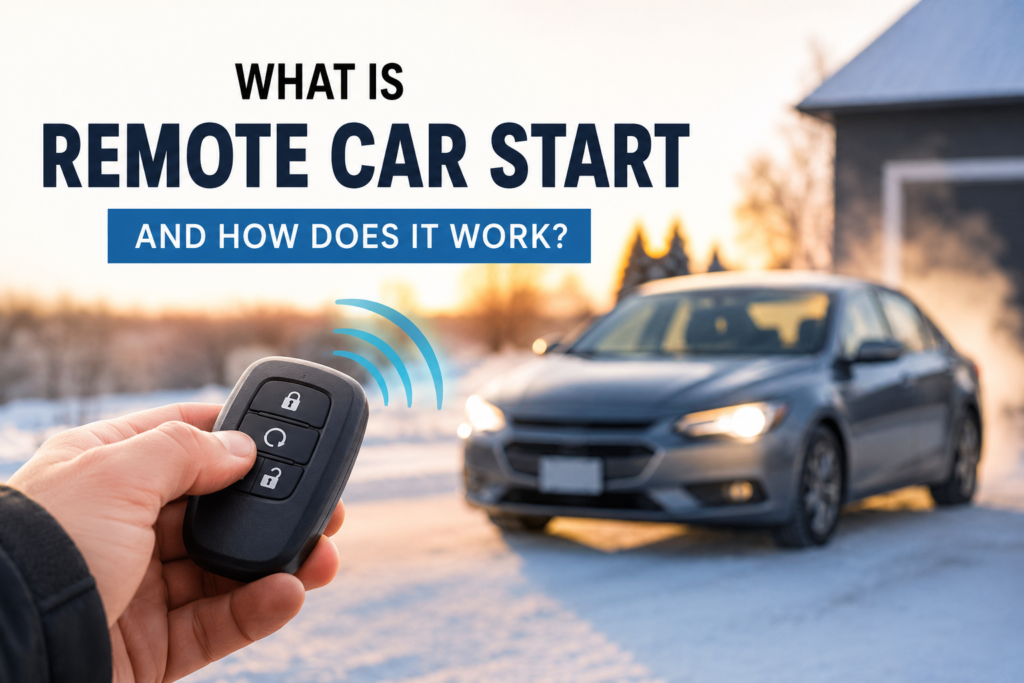
In simple words, remote car start is a system that allows you to start your vehicle’s engine from a distance using a remote key fob, smartphone application, or another compatible device. The technology has become common in many modern vehicles and can also be installed as an aftermarket system in some cars.
In this article, I will explain what remote car start is, how it works, what components are involved, its benefits, possible disadvantages, and what you should know before using this technology.
What Is Remote Car Start?
Remote car start is an electronic system designed to start a vehicle’s engine without the driver being physically inside the car. The system receives a signal from a remote control or smartphone and then communicates with the vehicle’s electronic control system.
When the correct signal is received, the system checks certain safety conditions and starts the engine. Once the engine is running, the vehicle can operate for a limited period before automatically shutting down if nobody enters and drives it.
The main purpose of remote car start is convenience and comfort. For example, during a hot summer day, you can start your car several minutes before leaving. The air conditioning can begin cooling the interior, making the vehicle much more comfortable when you get inside.
During winter, the same feature can help warm the cabin and, depending on the vehicle, assist with clearing fog or frost from the windows.
How Does Remote Car Start Work?
The working process of remote car start may seem complicated, but the basic idea is actually quite simple.
First, you press the remote start button on your key fob or use the vehicle manufacturer’s smartphone application. The remote device sends a wireless signal to the vehicle.
The vehicle has a receiver that detects this signal. If the signal is recognized as an authorized command, the remote start system communicates with the vehicle’s electronic control modules.
Before starting the engine, the system normally checks several conditions. These can include whether the hood is closed, whether the transmission is in the correct position, whether the doors are secured, and whether other safety requirements are satisfied.
If everything is acceptable, the system activates the ignition and starts the engine.
Modern vehicles use electronic control units to manage this process. The remote start system does not simply turn the engine on like an old fashioned mechanical switch. Instead, it communicates with the vehicle’s electronic systems so the engine can start in a controlled way.
Remote Car Start Using a Key Fob
The most familiar type of remote car start uses a key fob. Many vehicles have a dedicated remote start button, while others require a specific button sequence.
For example, a driver may press the lock button followed by the remote start button. The exact procedure depends on the vehicle manufacturer and model.
Once the command is accepted, the car starts remotely. Some systems provide visual or audible confirmation so the driver knows that the engine has started.
The operating distance depends on the key fob and vehicle. Basic systems may work only from a relatively short distance, while advanced systems can offer a much greater range.
Remote Car Start With a Smartphone
Modern connected vehicles can take remote starting a step further by allowing the driver to control the car through a smartphone.
With a compatible mobile application, you may be able to start the engine, lock or unlock the doors, check the vehicle’s status, and perform other functions depending on the vehicle.
The smartphone does not always communicate directly with the car like a traditional key fob. Instead, the command can travel through an internet connected service before reaching the vehicle.
I find this type of system particularly convenient because you do not have to be standing close to your vehicle. If your car is parked somewhere farther away, you may still be able to send the command through the manufacturer’s connected service.
What Happens After the Engine Starts?
After the remote start command is accepted, the vehicle starts the engine and usually keeps it running for a limited amount of time.
The exact duration varies between vehicles and systems. Some may allow the engine to run for around ten minutes, while others may provide a different period.
The vehicle can also adjust the climate control system automatically. Depending on the model, it may use the last selected climate settings or automatically choose suitable heating or cooling settings.
When you enter the vehicle, you generally need to use the normal key or authorized starting method before driving. Remote starting is designed to prepare the vehicle, not to replace the normal security and driving process.
Important Safety Features
Remote car start systems are designed with safety in mind. A good system should not simply start the engine under every condition.
One important safety feature is the transmission position check. In vehicles with automatic transmissions, the system generally requires the vehicle to be in Park before the engine can start remotely.
The hood may also have a safety switch. If the hood is open, remote starting can be disabled because someone could be working inside the engine compartment.
Many systems also have an automatic shutdown feature. If the vehicle is started remotely but the driver does not enter and take control, the engine can shut off after a preset period.
Modern vehicles can also include additional security features that prevent unauthorized operation.
Benefits of Remote Car Start
There are several reasons why remote car start has become popular.
Better Comfort
The biggest advantage, in my opinion, is comfort. Nobody enjoys entering a car that feels like an oven during summer or a refrigerator during winter.
Remote starting gives the climate control system time to change the cabin temperature before you enter.
Convenient in Extreme Weather
Remote car start can be especially useful during very hot or cold weather. Instead of waiting inside the vehicle for the temperature to become comfortable, you can prepare the cabin in advance.
Saves Time
It can also make your morning routine easier. Starting the vehicle while you are getting ready means the car can be ready when you leave.
Useful With Smartphone Apps
Connected remote start systems can provide additional convenience because you can control the vehicle from a smartphone. Some systems can also show information about the vehicle’s status.
Improved Driving Comfort
A comfortable cabin can make the beginning of a journey much more pleasant. This is one reason many drivers consider remote car start a valuable convenience feature rather than just a luxury.
Disadvantages of Remote Car Start
Although remote car start offers many advantages, it is not perfect.
One concern is fuel consumption. If you regularly leave your engine running for several minutes before driving, the vehicle will consume fuel while sitting still.
Another consideration is maintenance. A properly installed and compatible factory system is generally integrated with the vehicle’s electronics, but aftermarket systems can create problems if they are installed incorrectly.
There can also be limitations with smartphone based systems. These services may depend on mobile networks and internet connectivity.
In addition, some vehicles require a subscription for connected remote start features after an initial trial period.
Does Remote Car Start Use More Fuel?
Yes, remote car start can use additional fuel because the engine is running while the vehicle is stationary.
However, the amount of fuel used depends on the engine, outside temperature, climate control settings, and how long the engine runs.
Personally, I think remote start makes the most sense when used for a reasonable amount of time. There is usually no need to leave a car running for a very long period before driving.
Modern engines are also designed differently from older engines, so drivers should follow the manufacturer’s recommendations regarding warm up and operation.
Can Every Car Have Remote Start?
Not every vehicle comes with remote car start from the factory. Many newer vehicles offer it as standard equipment or as an available option, but older cars may not have this feature.
Some vehicles can be equipped with aftermarket remote start systems. However, compatibility is important.
Before installing an aftermarket system, I would recommend checking whether it is compatible with your vehicle’s ignition system, security system, transmission, and electronics. Professional installation can also reduce the risk of electrical problems.
Remote Start and Car Security
Remote car start is different from simply unlocking a vehicle. A proper remote start system works with the vehicle’s security system and uses authorized signals.
Modern systems may use encrypted communication and other security technologies to help prevent unauthorized commands.
Still, drivers should protect their key fobs and smartphone accounts just as they would protect other important digital devices. Using strong passwords and keeping connected vehicle applications updated can be a sensible security practice.
Is Remote Car Start Worth It?
Whether remote car start is worth having depends on your lifestyle and local climate.
If you live somewhere with very hot summers or cold winters, I think the feature can be extremely useful. It can improve comfort and make daily driving easier.
If your vehicle is parked close to your home and you rarely need climate control before driving, you may not consider it essential.
For many drivers, however, remote car start becomes one of those features they appreciate more after using it regularly.
Final Thoughts
Remote car start is a practical example of how automotive technology has changed the everyday driving experience. What once seemed like an expensive luxury feature is now available in many modern vehicles.
The basic idea is straightforward. You send a remote command through a key fob or smartphone, the vehicle verifies the request and safety conditions, and then the engine starts. The climate control system can prepare the cabin before you arrive, giving you a more comfortable driving experience.
From my point of view, the real value of remote car start is convenience. It does not completely change how a car works, but it can make daily driving easier, particularly in extreme weather.
Like any vehicle technology, it should be used responsibly. Understanding how the system works, following the manufacturer’s instructions, and avoiding unnecessary idling can help you get the most from the feature.
As cars become more connected and intelligent, remote car start is likely to remain an important part of the modern automotive experience. It is a simple feature, but for many drivers, it can make a noticeable difference in everyday comfort and convenience.
I can also create an AdSense friendly featured image for WordPress related to remote car start.