Related Articles
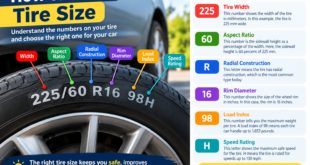
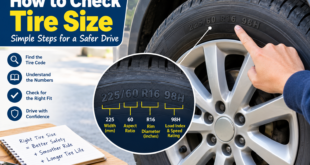
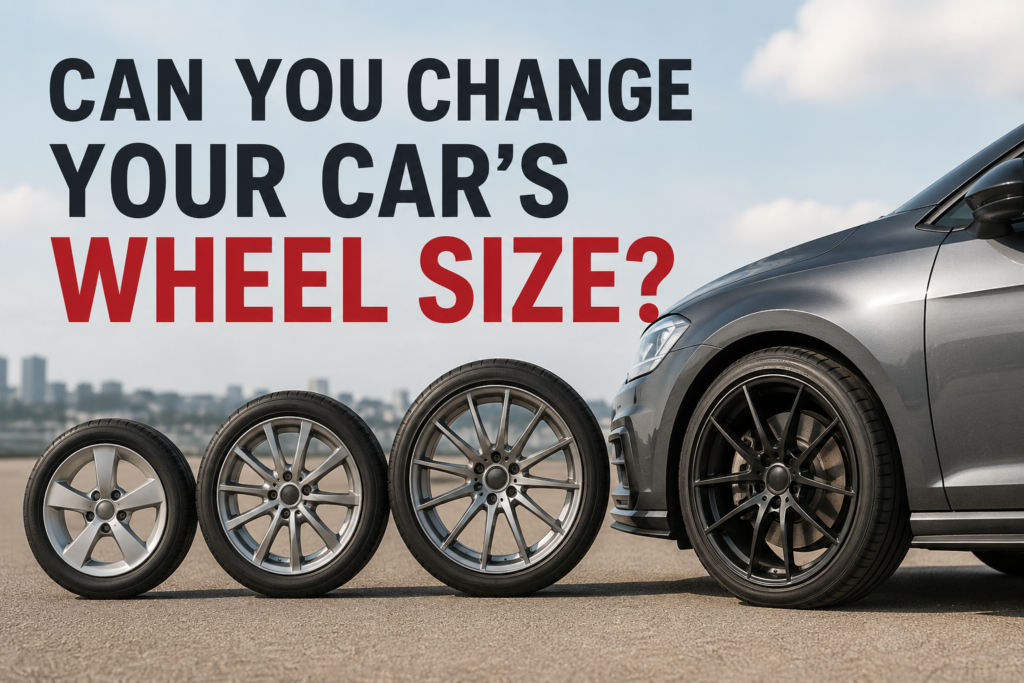
Yes, you can change your car’s wheel size, and it is actually a common modification among car owners. Many people choose larger wheels because they want their car to look sportier, while others prefer a smaller wheel size for better comfort and easier driving on rough roads. However, changing wheel size is not simply a matter of buying a larger or smaller wheel and putting it on the car.
From my point of view, wheel size should always be changed with the complete wheel and tire setup in mind. The diameter, width, offset, tire size, bolt pattern, and clearance all need to work together. If these measurements are ignored, a wheel upgrade can create handling problems, tire rubbing, poor ride quality, or even safety concerns.
In this guide, I will explain whether you can change your car’s wheel size, what happens when you do it, and what you should check before making the change.
What Does Wheel Size Actually Mean?
When people talk about wheel size, they are usually referring to the diameter of the wheel. For example, a 17 inch wheel has a wheel diameter of 17 inches. A car that originally comes with 16 inch wheels may sometimes be upgraded to 17 or 18 inch wheels.
But wheel diameter is only one part of the equation.
Wheel width is also important. A wheel can be 17 inches in diameter but have different widths. The offset determines how far the wheel sits inward or outward in relation to the hub mounting surface.
The tire size is equally important because changing the wheel diameter usually means changing the tire sidewall height to maintain a similar overall tire diameter.
This is why I always recommend looking at the complete wheel and tire combination instead of focusing only on the wheel diameter.
Can You Install Larger Wheels?
In many cases, yes. Larger wheels can be installed if the vehicle has enough clearance and the new wheel specifications are compatible with the car.
For example, a vehicle equipped with 16 inch wheels might have an approved factory option for 17 inch or 18 inch wheels. If that is the case, moving to one of those sizes can be relatively straightforward when the correct tire size and wheel specifications are used.
Larger wheels can give a vehicle a more aggressive appearance. They can also provide more room for larger brake components in some applications.
However, bigger does not automatically mean better.
When the wheel diameter increases, the tire sidewall normally becomes shorter if you want to keep the overall tire diameter close to the original. This can make the car feel more responsive, but it can also make the ride firmer.
What Happens When You Increase Wheel Size?
One of the biggest changes you may notice after increasing wheel size is the appearance of the vehicle. Larger wheels can fill the wheel arches better and give the car a more modern and sporty look.
There can also be changes in driving behavior.
A larger wheel with a lower profile tire generally has a shorter sidewall. The shorter sidewall flexes less during cornering, which can make steering feel sharper. From my experience with different wheel setups, this can make a car feel more connected to the road.
The downside is comfort.
A tire with a taller sidewall can absorb more bumps and potholes. A low profile tire has less rubber available to absorb impacts, so rough roads can feel harder. This is particularly noticeable on roads with potholes or uneven surfaces.
There is also a greater risk of wheel or tire damage when driving over severe potholes with a low profile setup.
Can You Install Smaller Wheels?
Yes, smaller wheels can also be possible, but there are some important limitations.
The most obvious issue is brake clearance. Some vehicles have large brake calipers and rotors that will not fit inside smaller wheels. This means you cannot simply assume that a smaller wheel will fit because the bolt pattern is correct.
If the brakes provide enough clearance, a smaller wheel with a taller tire can sometimes improve ride comfort. The taller sidewall can absorb road imperfections more effectively.
Smaller wheels may also be less expensive when replacement tires are needed, depending on the vehicle and tire market.
For people who regularly drive on rough roads, a smaller wheel with a properly sized tire can sometimes be a practical choice.
Why Tire Size Matters
This is one of the most important parts of changing wheel size.
Suppose your car originally uses a tire size that gives you a certain overall tire diameter. If you install a much larger wheel without adjusting the tire size, the total diameter of the wheel and tire combination may become too large.
That can affect the speedometer, gearing, acceleration, fuel economy, and clearance.
A common approach is called plus sizing. This means increasing the wheel diameter while reducing the tire sidewall height so the overall tire diameter remains reasonably close to the original specification.
For example, a car might use a smaller wheel with a taller tire from the factory. A larger wheel can then be paired with a lower profile tire.
The exact replacement size should be selected according to the vehicle manufacturer’s specifications and professional tire fitment information.
What Is Wheel Offset?
Wheel offset is another specification that should never be ignored.
Offset describes the position of the wheel mounting surface in relation to the centerline of the wheel. A different offset can move the wheel further inward or outward.
If the offset is too aggressive, the tire may contact suspension components or other parts inside the wheel well. If the wheel sits too far outward, it may contact the fender or extend beyond the body.
Changing wheel width can also change the position of the inner and outer edges of the wheel.
This is why two wheels with the same diameter may not fit the same way.
Whenever I look at a wheel upgrade, I consider diameter, width, offset, tire size, and clearance together.
Check the Bolt Pattern
The bolt pattern must match your vehicle.
A wheel with the wrong bolt pattern should not be installed simply because it looks good or has the correct diameter. The wheel needs to mount securely to the vehicle hub.
Bolt pattern specifications normally include the number of mounting holes and the diameter of the circle on which those holes are located.
Some wheels may also require attention to the center bore. If the center bore of the wheel is larger than the vehicle hub, appropriate hub centering equipment may be needed depending on the application.
Getting these measurements right is essential for proper wheel installation.
Will Changing Wheel Size Affect Handling?
It can.
Larger wheels with lower profile tires can make steering response feel quicker. The car may feel more stable during cornering, especially when using suitable tires and properly matched wheel specifications.
However, handling depends on much more than wheel diameter.
Tire compound, tire width, suspension condition, alignment, tire pressure, wheel weight, and overall vehicle design all play a role.
A very heavy wheel can increase unsprung mass, which may negatively affect ride and suspension response. This is one reason I would not choose a wheel based only on its appearance.
A lighter, properly sized wheel can sometimes be a better upgrade than simply choosing the biggest wheel that fits.
Does Changing Wheel Size Affect Fuel Economy?
It can, although the effect varies from vehicle to vehicle.
Larger wheels can sometimes be heavier than the original wheels. More weight at the wheels can increase the energy required to accelerate the vehicle.
Wider tires can also create additional rolling resistance depending on their design and compound.
If the overall tire diameter changes significantly, gearing can also be affected.
This does not mean that installing larger wheels will automatically cause a major drop in fuel economy. The actual result depends on the complete setup, including wheel weight, tire construction, width, diameter, and driving conditions.
What About the Speedometer?
The speedometer is designed around the vehicle’s original tire diameter.
If the new tire and wheel combination has a noticeably different overall diameter, the vehicle may travel at a different actual speed than the speedometer indicates.
For example, a larger overall tire diameter means the tire travels farther with each revolution. This can affect the relationship between wheel rotation and vehicle speed.
That is why maintaining a similar overall tire diameter is generally a sensible approach when changing wheel size.
Will Larger Wheels Damage the Suspension?
Larger wheels do not automatically damage suspension components.
The problem usually comes from an unsuitable combination of wheel size, weight, offset, tire profile, or driving conditions.
A very heavy wheel and low profile tire can transmit stronger impacts to the suspension when hitting potholes. Incorrect offset can also place different loads on suspension and steering components.
This is another reason I would avoid choosing wheels simply because they are the largest size that can physically fit.
A properly designed setup is much more important than maximum wheel diameter.
How Much Can You Change Wheel Size?
There is no single wheel size increase that works for every car.
Some vehicles have several factory approved wheel sizes, while others have limited options. The safest place to start is with the manufacturer’s recommended wheel and tire specifications.
You should also check the vehicle owner’s manual, tire information label, manufacturer fitment information, and the recommendations of a reputable tire and wheel professional.
The available clearance should be checked carefully before installation.
It is also important to consider the conditions where you normally drive. Someone driving mostly on smooth highways may prefer a different setup from someone driving daily on rough city roads.
What Should You Check Before Buying New Wheels?
Before spending money on a new wheel and tire package, I recommend checking several specifications.
First, confirm the wheel diameter and width.
Next, check the bolt pattern and center bore.
Then verify the wheel offset.
After that, select a tire size that works correctly with the new wheel and keeps the overall diameter within an appropriate range.
You should also check brake clearance and suspension clearance.
Finally, make sure the new wheel and tire combination does not rub against the fender, suspension, steering components, or inner wheel well during normal driving and steering movement.
It is much better to discover a fitment problem before buying the wheels than after they have been installed.
Is Changing Wheel Size Worth It?
For many drivers, it can be.
If your goal is to improve the appearance of your vehicle, changing wheel size can make a noticeable difference. A well selected wheel and tire combination can also change steering feel and road behavior.
But I believe the best wheel upgrade is one that balances appearance, comfort, handling, durability, and cost.
Going from a factory wheel to an extremely large wheel may look impressive, but it may not be the best choice for everyday driving.
A moderate upgrade can often provide the visual improvement people want without making the car unnecessarily uncomfortable.
Final Thoughts
So, can you change your car’s wheel size? Yes, in many cases you can, but it needs to be done correctly.
The important thing is not simply choosing a larger or smaller wheel. You need to consider wheel diameter, wheel width, offset, bolt pattern, center bore, tire size, brake clearance, suspension clearance, and overall tire diameter.
From my point of view, the smartest approach is to choose a wheel and tire combination that works with the vehicle rather than forcing the vehicle to accept a wheel that is simply bigger or more aggressive.
If you are considering changing your car’s wheel size, check the manufacturer’s recommended specifications first and have the complete setup professionally verified before installation. A good wheel upgrade should improve the car while keeping it safe, comfortable, and practical for everyday driving.
SEO Keywords: can you change your car’s wheel size, change car wheel size, changing wheel size, larger wheels on car, smaller wheels on car, wheel size upgrade, car wheel fitment, wheel and tire size, larger wheels benefits, wheel offset, tire size, aftermarket wheels