
Related Articles
When we talk about a car’s exhaust system, the catalytic converter is one of the most important parts to understand. Many drivers know the name, but they may not know exactly what a catalytic converter does or why it is important for the engine and the environment.
In my view, the catalytic converter is a simple example of how modern automotive technology works to make vehicles cleaner without changing the basic way an engine operates. It sits in the exhaust system and helps reduce harmful gases before they leave the vehicle through the tailpipe.
A properly working catalytic converter can make a major difference in exhaust emissions. At the same time, it can be affected by engine problems, poor maintenance, overheating, and contamination. Understanding its function can help you recognize problems early and avoid expensive repairs.
What Is a Catalytic Converter?
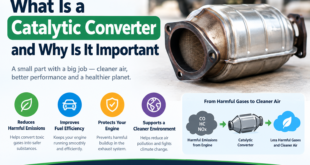
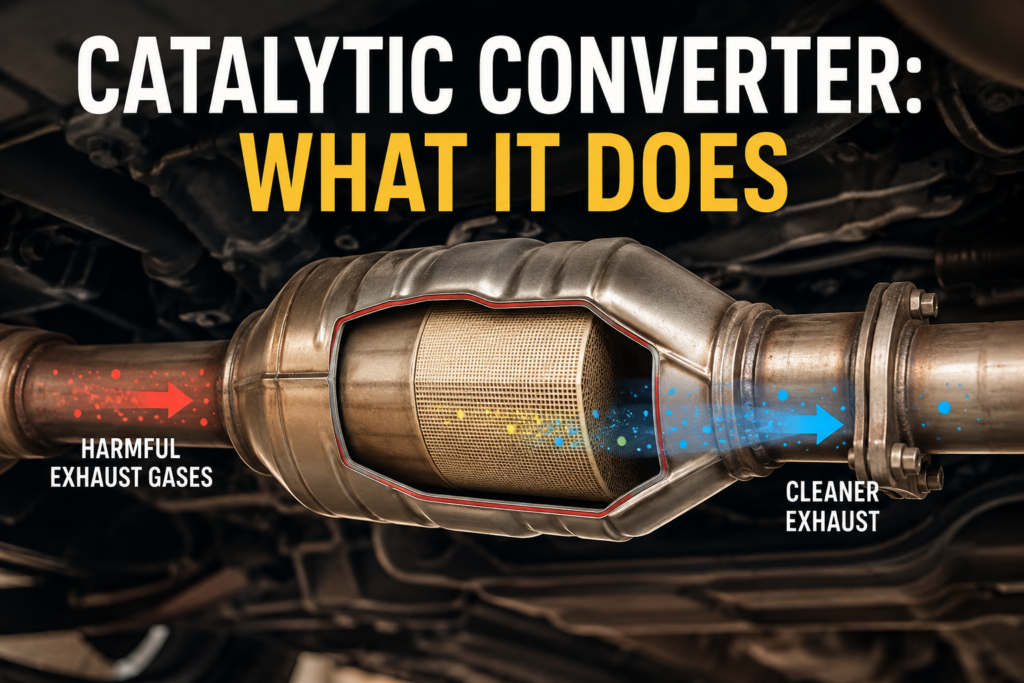
A catalytic converter is an emission control device fitted into a vehicle’s exhaust system. Its main job is to convert certain harmful gases produced by the engine into less harmful substances before those gases are released into the atmosphere.
The catalytic converter contains a specially designed internal structure that provides a large surface area for chemical reactions. This structure is usually made from a ceramic or metal honeycomb material. The surface is coated with precious metals that help the chemical reactions happen more efficiently.
The main gases targeted by a modern catalytic converter include carbon monoxide, hydrocarbons, and nitrogen oxides. These gases can be harmful to people and the environment when released in large amounts.
The catalytic converter does not simply trap exhaust gases like a filter. Instead, it uses chemical reactions to change the composition of certain pollutants.
How Does a Catalytic Converter Work?
The working principle of a catalytic converter is easier to understand when you follow the exhaust gases through the system.
After combustion takes place inside the engine, exhaust gases travel through the exhaust manifold and into the exhaust system. These gases contain several substances, including gases that need to be reduced before they reach the atmosphere.
When the exhaust reaches the catalytic converter, it passes through the honeycomb structure. The coated surface inside the converter contains catalyst materials that encourage chemical reactions.
Carbon monoxide can be converted into carbon dioxide. Unburned hydrocarbons can be converted mainly into carbon dioxide and water. Nitrogen oxides can be separated into nitrogen and oxygen.
These reactions happen as the exhaust passes through the converter at high temperatures. The catalytic converter therefore depends on the engine producing exhaust within an appropriate operating range.
This is one reason engine condition is so important. If the engine is running too rich, misfiring, or burning excessive oil, the catalytic converter can become damaged.
Main Types of Catalytic Converters
There are different catalytic converter designs depending on the vehicle and engine.
A three way catalytic converter is commonly used on gasoline engines. It is designed to address three major groups of pollutants. These include carbon monoxide, hydrocarbons, and nitrogen oxides.
Diesel engines use different emission control technologies because diesel combustion produces different exhaust characteristics. Some diesel vehicles use oxidation catalysts along with other emission control components.
The exact design can also vary depending on the vehicle manufacturer, engine size, emissions regulations, and model year.
Why Is the Catalytic Converter Important?
The biggest reason a catalytic converter is important is emissions control.
Vehicle engines produce power by burning fuel, but combustion does not create only useful energy. It also creates exhaust gases. Without emission control equipment, a much larger amount of harmful pollution could leave the vehicle.
The catalytic converter helps reduce several pollutants before they reach the outside air.
From a vehicle owner’s point of view, another important reason to care about the catalytic converter is that a damaged unit can affect the vehicle’s performance. In some cases, a badly blocked catalytic converter can restrict exhaust flow and make the engine feel weak.
A functioning catalytic converter also helps the vehicle meet applicable emissions requirements. A problem with the emissions system can sometimes cause the check engine light to come on.
Common Catalytic Converter Problems
Catalytic converters are designed to last a long time, but they are not completely immune to damage.
One common problem is overheating. An engine misfire can send unburned fuel into the exhaust system. That fuel may burn inside the catalytic converter and create excessive heat. Over time, this can damage or melt the internal honeycomb structure.
Another problem is contamination. Burning engine oil or coolant can expose the catalytic converter to substances that interfere with its operation. Long term contamination can reduce its effectiveness.
Physical damage is another possibility. Because the catalytic converter is located underneath the vehicle, it can be exposed to road debris, impacts, water, and extreme temperature changes.
Internal material can also break apart. A damaged honeycomb structure may create a rattling sound, especially when the vehicle is started or when the engine speed changes.
Symptoms of a Bad Catalytic Converter
A failing catalytic converter does not always produce the same symptoms. However, there are several warning signs worth knowing.
One common symptom is a check engine light. The vehicle’s engine control system monitors emissions performance through oxygen sensors and other components. If the system detects a problem, it may store a diagnostic trouble code and activate the warning light.
Poor engine performance can also occur. If the converter becomes restricted, exhaust gases may struggle to leave the engine. This can result in weak acceleration, reduced power, or poor throttle response.
Another possible sign is poor fuel economy. However, fuel economy problems can have many causes, so it is important not to assume that the catalytic converter is responsible without proper diagnosis.
A strong or unusual exhaust smell may also indicate an emissions system problem. Some drivers describe the smell as similar to rotten eggs. This can be associated with sulfur compounds in the exhaust, although it is not enough by itself to confirm a catalytic converter failure.
A rattling noise underneath the vehicle can be another warning sign, especially if the internal material has broken apart.
What Causes Catalytic Converter Failure?
In my experience with automotive maintenance topics, it is important to understand that the catalytic converter is often the victim rather than the original cause of a problem.
For example, an engine misfire may damage the converter because excess fuel enters the exhaust. Replacing only the catalytic converter without repairing the misfire may result in another failure.
Other possible causes include faulty fuel injectors, worn spark plugs, ignition problems, incorrect fuel mixture, excessive oil consumption, coolant entering the combustion chamber, and certain sensor problems.
This is why proper diagnosis matters before replacing an expensive catalytic converter.
Can You Drive With a Bad Catalytic Converter?
Whether you can continue driving depends on the condition of the vehicle and the severity of the problem.
If the check engine light is on but the vehicle is running normally, the problem still deserves attention. Ignoring an emissions fault for a long time can allow a small issue to become more expensive.
If the engine is losing significant power, overheating, misfiring, or producing unusual noises, continuing to drive may cause additional damage.
A restricted catalytic converter can create excessive back pressure. This can interfere with engine operation and may eventually lead to more serious problems.
For that reason, I would not recommend ignoring symptoms simply because the vehicle still starts and moves.
How to Protect Your Catalytic Converter
The best way to protect a catalytic converter is to take care of the engine.
Regular maintenance can help prevent many problems that eventually damage the converter. Spark plugs, ignition components, fuel systems, sensors, and the engine’s air and fuel mixture should all be kept in good condition.
If the check engine light comes on, it is better to diagnose the issue instead of driving for months with the warning ignored.
Using the correct engine oil and changing it according to the vehicle manufacturer’s recommendations can also help reduce problems related to excessive oil consumption and contamination.
It is also important to address coolant leaks and engine misfires quickly.
There is no special cleaning routine that can replace proper engine maintenance. A healthy engine produces exhaust that the catalytic converter is designed to handle.
Catalytic Converter and Oxygen Sensors
Oxygen sensors and catalytic converters work closely together in modern vehicles.
Oxygen sensors monitor the oxygen content in the exhaust. Their information helps the engine control system adjust the air and fuel mixture. Some vehicles also use sensors positioned after the catalytic converter to monitor converter efficiency.
If an oxygen sensor fails, the engine may run with an incorrect fuel mixture. This can increase emissions and potentially damage the catalytic converter over time.
This is why replacing a catalytic converter without checking related engine and sensor problems is not always the best approach.
Final Thoughts
A catalytic converter is a small but extremely important part of a modern vehicle. Its main purpose is to reduce harmful exhaust emissions by using chemical reactions to convert pollutants into less harmful substances.
The component works quietly in the background every time the engine runs, but its condition can have a noticeable effect on emissions and vehicle performance.
From my point of view, the most important thing to remember is that catalytic converter problems should not be treated as an isolated issue. A damaged converter may be caused by another engine problem, such as a misfire, incorrect fuel mixture, oil consumption, or coolant leakage.
Regular maintenance and early diagnosis are the best ways to protect the catalytic converter and the rest of the exhaust system.
If you notice a check engine light, reduced engine power, unusual exhaust smells, poor fuel economy, or rattling underneath the vehicle, it is worth having the vehicle properly inspected.
Understanding what a catalytic converter does makes it easier to understand why this component matters. It does not simply sit underneath the car as another piece of exhaust pipe. It plays an active role in reducing harmful emissions and helping modern vehicles operate more responsibly.