
Related Articles

When I think about the cooling system of a car, the radiator is one of the first parts that comes to mind. The engine produces an enormous amount of heat while it is running, and without a proper cooling system, that heat can quickly cause serious damage. The radiator plays a major role in controlling engine temperature and helping the car run smoothly.
Many people know that a radiator keeps the engine cool, but they may not know exactly how it works. In simple terms, the radiator removes heat from the coolant and releases that heat into the surrounding air. This continuous process helps maintain a safe operating temperature for the engine.
In this article, I will explain how a car radiator works, why coolant is important, what radiator problems can occur, and how proper radiator maintenance can help protect your engine.
What Is a Car Radiator?
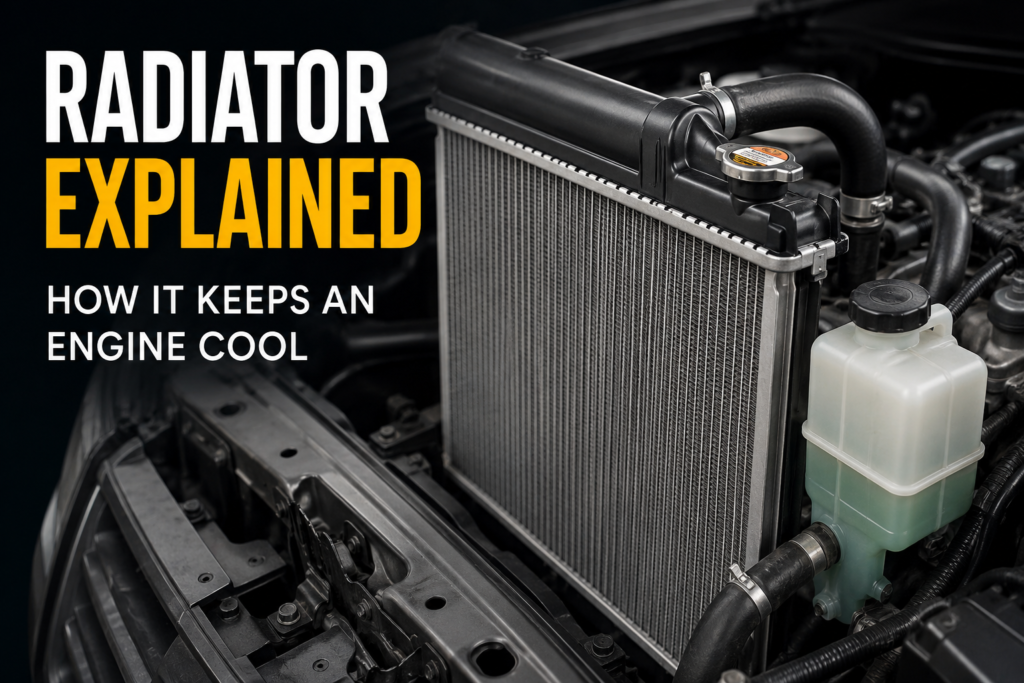
A car radiator is an important part of the engine cooling system. It is usually located near the front of the vehicle, where it can receive a steady flow of air while the car is moving. The radiator contains many small tubes and thin metal fins that help transfer heat away from the coolant.
The basic job of the radiator is simple. Hot coolant comes from the engine and enters the radiator. Air passes through the radiator fins, removing heat from the coolant. The cooled coolant then travels back toward the engine to absorb more heat.
This process happens continuously while the engine is operating.
From my point of view, the radiator is a great example of simple engineering doing an important job. It does not directly cool the engine with air. Instead, it works with coolant, hoses, a water pump, a thermostat, fans, and other cooling system components to control engine temperature.
Why Does an Engine Need Cooling?
An internal combustion engine produces heat whenever fuel burns inside the cylinders. Some of that heat is converted into useful mechanical energy, but a large amount is released as waste heat.
If this heat were allowed to build up, engine components could become extremely hot. Excessive temperature can damage engine oil, seals, gaskets, pistons, cylinder heads, and other important parts.
The engine needs to operate within a specific temperature range. Running too cold is also not ideal because the engine may not operate efficiently. Running too hot can lead to overheating and expensive repairs.
This is why the cooling system is so important.
The radiator helps maintain the balance by removing excess heat when the engine becomes warm.
How Does a Radiator Work?
The radiator works as part of a continuous coolant circulation system.
When the engine starts, the coolant begins moving through passages inside the engine. The coolant absorbs heat from the engine block and cylinder head. As the coolant becomes hotter, it eventually travels toward the radiator.
The hot coolant enters the radiator through an inlet. Inside the radiator, the coolant passes through many narrow tubes. These tubes are surrounded by thin metal fins.
As air moves through the fins, heat transfers from the hot coolant to the metal tubes and fins. The air then carries the heat away from the radiator.
After losing some of its heat, the coolant collects at the other side of the radiator and travels back toward the engine.
The process repeats again and again.
This is the basic principle behind how a radiator keeps an engine cool.
The Role of Coolant
Coolant is just as important as the radiator itself. Some people refer to it as antifreeze, although modern cooling systems normally use a mixture of antifreeze and water.
Coolant has several important jobs. It absorbs heat from the engine, carries that heat to the radiator, and helps protect the cooling system from freezing and corrosion.
Using plain water may seem like an easy solution, but it is not always suitable for long term use. Proper engine coolant contains additives designed to protect metal components and improve the performance of the cooling system.
The correct coolant type can vary between vehicles, so I always recommend checking the vehicle owner’s manual before adding or replacing coolant.
What Is the Thermostat?
The thermostat is another important part of the engine cooling system. It controls when coolant flows through the radiator.
When the engine is cold, the thermostat generally remains closed. This allows the engine to warm up more quickly.
As the engine reaches its normal operating temperature, the thermostat opens and allows coolant to flow toward the radiator.
This small component has a big effect on engine temperature. If the thermostat becomes stuck closed, coolant may not circulate properly through the radiator, which can cause overheating. If it becomes stuck open, the engine may take too long to reach its normal operating temperature.
The Water Pump and Coolant Flow
The water pump moves coolant through the cooling system. Without proper coolant circulation, the radiator cannot do its job effectively.
Depending on the vehicle design, the water pump may be driven by a belt or powered electrically.
The pump pushes coolant through passages in the engine and toward the radiator. After the radiator removes heat, the coolant returns to the engine.
This constant circulation allows the cooling system to manage heat during different driving conditions.
A weak or damaged water pump can cause poor coolant circulation and may lead to overheating.
Why Radiator Fans Matter
The radiator needs airflow to remove heat. When a car is moving, air naturally passes through the front of the radiator.
But what happens when the car is sitting in traffic or idling?
This is where radiator fans become important.
The cooling fan pulls or pushes air through the radiator when natural airflow is not enough. Modern vehicles commonly use electric cooling fans controlled by the vehicle’s computer or cooling system sensors.
If the radiator fan stops working, the engine may remain at a normal temperature while driving at higher speeds but begin overheating when the vehicle is stopped or moving slowly.
That is an important symptom to pay attention to.
Common Radiator Problems
Like any other vehicle component, a radiator can develop problems over time.
One common issue is a coolant leak. A damaged radiator, hose, seal, or connection can allow coolant to escape. A low coolant level can reduce the cooling system’s ability to remove heat.
Another problem is a clogged radiator. Dirt, corrosion, deposits, or internal contamination can restrict coolant flow and reduce heat transfer.
The radiator fins can also become damaged or blocked by dirt and debris. Since airflow is important, blocked fins can reduce cooling performance.
Corrosion is another concern, especially when the wrong coolant is used or coolant is not replaced according to the manufacturer’s recommendations.
Signs of a Bad Radiator
There are several warning signs that may indicate a radiator or cooling system problem.
One of the most obvious signs is engine overheating. If the temperature gauge moves into the hot range, the cooling system should be checked.
Another sign is coolant leaking underneath the vehicle. Coolant may appear in different colors depending on the type being used, so the color alone should not be used to identify it.
You may also notice a sweet smell around the engine bay when coolant is leaking.
Other possible signs include frequent coolant loss, visible corrosion, damaged radiator fins, an overheating warning light, or the cooling fan running unusually often.
In my opinion, these signs should never be ignored. A small cooling system problem can become a major engine problem if it is left untreated.
How to Maintain a Car Radiator
Good radiator maintenance does not have to be complicated.
The first thing I would recommend is checking the coolant level regularly when the engine is completely cool. The coolant reservoir usually has minimum and maximum markings that make this easy.
It is also important to inspect the radiator hoses. Hoses can become hard, cracked, swollen, or brittle as they age.
The radiator itself should also be inspected for leaks, corrosion, and damaged fins.
Another important point is using the correct coolant. Different vehicles can require different coolant specifications, and mixing incompatible coolant types may cause problems.
The cooling system should also be serviced according to the manufacturer’s recommended schedule.
Never open a hot radiator cap. A hot cooling system can be under pressure, and opening the cap can release extremely hot coolant or steam.
Can a Radiator Cause Engine Overheating?
Yes, a radiator problem can contribute to engine overheating, but it is not always the radiator itself that is responsible.
Overheating can also be caused by low coolant, a faulty thermostat, a damaged water pump, a failed cooling fan, blocked coolant passages, a leaking hose, or other cooling system problems.
This is why diagnosing overheating should involve checking the entire cooling system rather than automatically replacing the radiator.
A proper diagnosis can save money and prevent unnecessary repairs.
Why a Healthy Radiator Matters
A properly functioning radiator protects the engine from excessive heat. This can help reduce the risk of expensive damage and support reliable vehicle performance.
Modern engines are designed to operate within carefully controlled temperature ranges. The radiator and the rest of the cooling system help maintain those temperatures during normal driving, heavy traffic, hot weather, highway driving, and other demanding conditions.
I believe the radiator is one of those car parts that people often overlook until something goes wrong. Most drivers do not think about it during everyday driving, but it is working whenever the engine is producing heat.
Final Thoughts
The radiator is a vital part of a car’s cooling system. Its main purpose is to remove heat from the engine coolant and release that heat into the air. It works together with the coolant, thermostat, water pump, cooling fans, hoses, and other components to keep engine temperature under control.
Understanding how a radiator works makes it easier to recognize potential cooling system problems. Regularly checking coolant levels, inspecting hoses, watching the temperature gauge, and using the correct coolant can help maintain a healthy cooling system.
If your car starts overheating, loses coolant, or shows other signs of cooling system trouble, it is better to investigate the issue early. A radiator may look like a simple component, but its job is extremely important. Keeping it in good condition can help protect one of the most valuable parts of your vehicle, the engine.