Related Articles
When I think about vehicle safety, one of the first things that comes to my mind is the condition of the tires. Tires are the only part of a vehicle that actually touches the road, so their condition can have a major effect on how a car handles, brakes, and responds to different driving conditions. Among all the features of a tire, tread is one of the most important.
Tire tread is not simply a pattern designed to make a tire look attractive. The grooves, channels, blocks, and patterns are carefully designed to help the tire maintain contact with the road. From my experience and understanding, a tire with healthy tread can make driving feel more stable and predictable, while worn or damaged tread can make the vehicle harder to control.
In this article, I will explain how tire tread affects driving performance, why tread depth matters, how it performs in rain and dry conditions, and why checking your tires regularly is an important part of vehicle maintenance.
What Is Tire Tread?
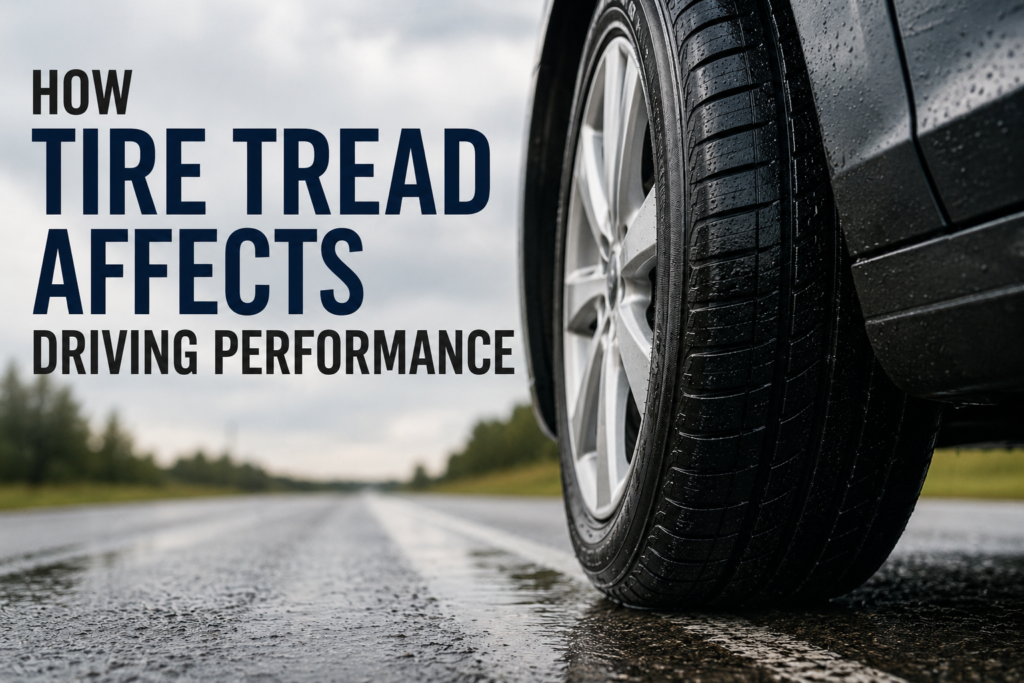
Tire tread is the patterned rubber surface that makes direct contact with the road. It contains grooves and channels that help move water away from the contact area. Different tires have different tread designs depending on their intended use.
For example, performance tires may have tread patterns designed to provide strong handling and road grip. All season tires are generally designed to provide balanced performance in different weather conditions. Winter tires have specialized tread designs that help maintain traction in cold and snowy conditions.
The important thing to understand is that tire tread gradually wears down as the vehicle is driven. As the tread becomes thinner, the tire can lose some of its ability to maintain proper traction, especially on wet roads.
Why Tire Tread Depth Matters
Tire tread depth is one of the easiest ways to understand the condition of a tire. A new tire has a significant amount of tread, but constant contact with the road slowly removes the rubber.
As tread depth decreases, the tire has less ability to channel water away from the contact patch. This can become especially noticeable during heavy rain. Instead of effectively moving water through the grooves, a worn tire may struggle to maintain a strong connection with the road surface.
In my view, checking tread depth should be a regular part of vehicle maintenance. It is easy to ignore tires when everything seems normal, but problems may become obvious only when you suddenly need to brake or drive through difficult weather.
How Tire Tread Affects Wet Weather Driving
Wet roads are one of the biggest challenges for worn tires. When rain covers the road, a layer of water can develop between the tire and the pavement. The grooves in the tire tread help move that water away.
If the tread is healthy, the tire can generally maintain better contact with the road. If the tread is heavily worn, its ability to remove water can be reduced.
This can increase the risk of hydroplaning. Hydroplaning happens when a tire loses sufficient contact with the road because of water. When this occurs, steering and braking can become much less effective.
This is why I believe tire tread is particularly important for drivers who regularly travel in areas that experience heavy rainfall. Even if a car has a powerful engine and advanced safety technology, the tires still play a major role in maintaining road contact.
Tire Tread and Braking Performance
Braking is another area where tire tread can make a noticeable difference. When I press the brake pedal, the braking system works to slow the wheels, but the tires still need to transfer that braking force to the road.
Good tires with suitable tread and proper inflation can help maintain traction during braking. Worn tires may provide less grip, particularly on wet or slippery surfaces.
Stopping distance is affected by many factors, including vehicle speed, road conditions, tire condition, brake condition, vehicle weight, and driver reaction time. This means tread alone does not determine how quickly a vehicle stops.
However, tire condition remains an important part of the overall braking system. A driver can have excellent brakes, but poor tires can still reduce the vehicle’s ability to stop safely.
Tire Tread and Cornering
Cornering is another situation where tire tread matters. When a vehicle turns, the tires need to maintain traction with the road while dealing with the forces created by the movement of the vehicle.
Healthy tread can contribute to predictable handling. When tires become significantly worn, the vehicle may feel less secure, particularly during sharp turns or sudden steering movements.
I personally think drivers should pay attention to changes in how their vehicle feels. If the steering starts feeling different, the vehicle pulls to one side, or the tires appear unevenly worn, it is worth having them inspected.
Uneven tread wear can also indicate problems such as incorrect tire pressure, poor wheel alignment, worn suspension components, or improper tire rotation.
Tire Tread and Driving on Dry Roads
It is easy to assume that tread only matters when it rains, but that is not true. Tire tread also contributes to driving performance on dry roads.
The design of the tread affects how the tire interacts with the road surface. Different tread patterns can provide different levels of handling, steering response, road noise, and traction.
However, tire performance is not determined by tread depth alone. The tire compound, construction, temperature, pressure, age, and road surface also have an influence.
For everyday driving, I think the best approach is to use tires that match the vehicle and the type of driving you normally do rather than choosing tires based only on appearance.
How Worn Tread Can Change Driving Feel
One of the interesting things about tire wear is that the changes can happen gradually. A driver may not immediately notice that the tires are losing performance because the wear happens over thousands of miles.
Over time, worn tires may provide less traction and may feel less confident during braking, cornering, or wet weather driving.
Another issue is uneven wear. If one part of the tire is wearing faster than another, the tread may no longer make consistent contact with the road.
That is why I would not recommend checking only whether the tire looks acceptable from a distance. It is better to inspect the tread across the tire and look for unusual wear patterns, cracks, bulges, or other visible damage.
Tire Tread and Hydroplaning
Hydroplaning deserves special attention because it can happen quickly. When a vehicle travels through standing water, the tires need to move water away from the area where the rubber meets the road.
Tread grooves help with this process. As the grooves become worn, the tire may have less capacity to move water effectively.
Speed is also extremely important. Driving faster on a wet road increases the possibility of losing traction. Even tires with good tread should not encourage a driver to ignore wet road conditions.
My approach is simple: when there is heavy rain or standing water, reducing speed and increasing following distance is one of the smartest things a driver can do.
How to Check Tire Tread
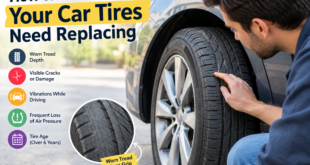
Checking tire tread does not always require complicated equipment. Many modern tires have tread wear indicators built into the grooves. These indicators provide a visual reference for how much the tread has worn.
A tread depth gauge can also provide a more accurate measurement.
When checking tires, I recommend looking at more than just tread depth. Check for uneven wear, cracks, cuts, bulges, exposed cords, and objects stuck in the tread.
It is also important to check tire pressure regularly. Correct tire pressure helps the tire maintain the intended contact with the road and can also support better fuel efficiency and tire life.
If something looks unusual, having the tire inspected by a qualified professional is a sensible choice.
Tire Rotation and Tread Life
Regular tire rotation can help promote more even tread wear. The exact rotation pattern depends on the vehicle and tire setup, so it is important to follow the vehicle manufacturer’s recommendations.
Uneven tread wear can reduce the useful life of a tire and may affect driving performance.
Wheel alignment is another factor worth considering. If the alignment is incorrect, tires may wear faster on one edge. Drivers may notice this by inspecting the tread or by noticing that the vehicle does not drive normally.
In my opinion, preventing uneven wear is much better than waiting until the tire becomes seriously worn.
When Should Tires Be Replaced?
There is no single mileage number that applies to every tire. Tire life depends on driving habits, road conditions, climate, tire design, maintenance, and many other factors.
A tire should be replaced when its tread has reached the manufacturer’s or applicable safety limit, or when the tire has serious damage or age related deterioration.
If I notice that a tire has very low tread, significant cracks, a bulge, or other serious damage, I would not rely on it simply because the vehicle still drives normally.
Tires are relatively easy to overlook, but they are a critical safety component.
Final Thoughts
From my point of view, tire tread is one of those things that drivers should never take for granted. A tire may look like a simple piece of rubber, but its tread design plays an important role in traction, water evacuation, braking, cornering, and overall driving confidence.
Healthy tire tread can help a vehicle perform more predictably, especially when road conditions become difficult. Worn tread can reduce traction and increase the challenges a driver faces in rain and other slippery conditions.
The best thing a driver can do is inspect the tires regularly, maintain the correct tire pressure, pay attention to uneven wear, and replace tires when they are no longer safe or suitable for use.
For me, good driving is not only about how carefully someone handles the steering wheel or pedals. It also starts with making sure the vehicle is equipped with tires that are in good condition and capable of maintaining proper contact with the road.
When it comes to driving safety, a few minutes spent checking tire tread can be far more valuable than most drivers realize.