Related Articles
Winter tires are one of those things that many drivers do not think about until the first serious snowfall or icy morning. I used to think that having good tread on my regular tires was enough for winter driving. However, tires are much more important than tread depth alone. The type of rubber, tread design, and tire construction all affect how a vehicle behaves when temperatures drop.
In this beginner’s guide to winter tires, I will explain what winter tires are, how they work, when you need them, how they compare with all season tires, and what you should know before buying a set.
What Are Winter Tires?
Winter tires are specially designed for cold weather driving. They are made to perform better when temperatures become very low and roads are covered with snow, ice, or slush.
The biggest difference between winter tires and regular tires is the rubber compound. Winter tire rubber stays more flexible in cold temperatures. This flexibility helps the tire maintain contact with the road.
Regular summer and all season tires can become harder as temperatures fall. When the rubber becomes stiff, the tire may not grip the road as effectively. Winter tires are designed specifically to reduce this problem.
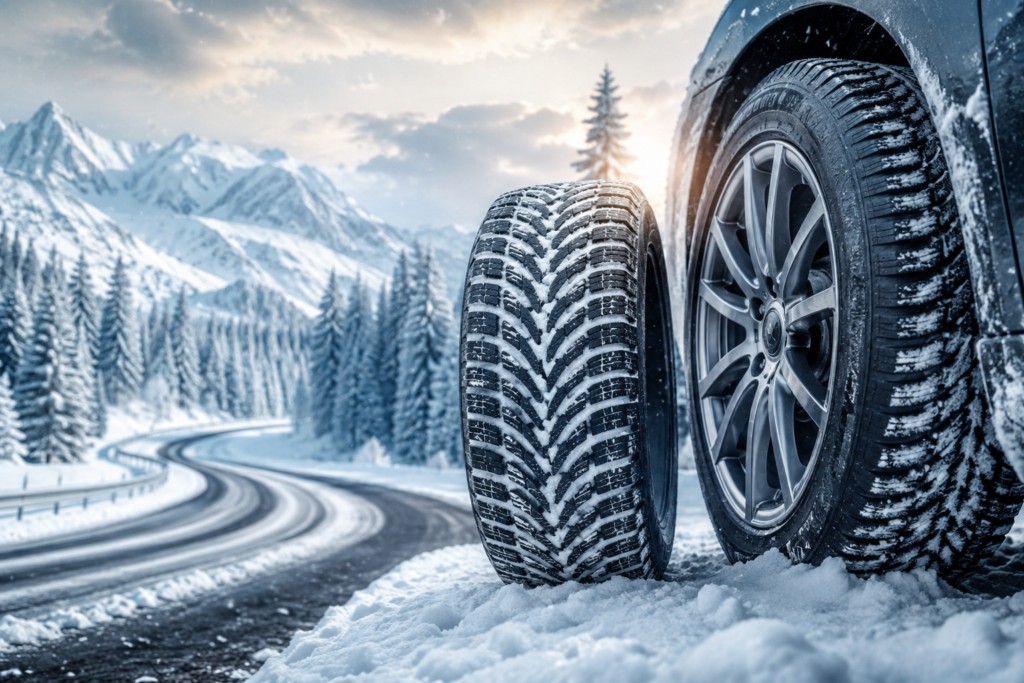
Winter tires also have special tread patterns with many small grooves and biting edges. These features help the tire grip snow and improve traction on slippery surfaces.
How Do Winter Tires Work?
The main purpose of winter tires is to provide better traction in cold and difficult road conditions.
There are three important features that make winter tires different.
First, the rubber compound is designed for low temperatures. The tire remains flexible instead of becoming excessively hard.
Second, winter tires usually have deeper and more aggressive tread patterns. The tread can help move snow and slush away from the contact area.
Third, winter tires contain many small cuts called sipes. These small grooves create additional biting edges that can help the tire grip snow and slippery pavement.
From my point of view, the rubber compound is one of the most important differences. A tire can have excellent tread, but if its rubber is not designed for cold weather, it may not provide the same level of grip as a proper winter tire.
Why Are Winter Tires Important?
Winter tires can make a noticeable difference when driving in cold conditions. They are not only useful during heavy snowfall. They can also help when roads are cold, wet, icy, or covered with light snow.
One important thing beginners should understand is that four wheel drive or all wheel drive does not replace winter tires. A vehicle with all wheel drive can send power to multiple wheels, but it still depends on the tires for braking and steering.
If the tires cannot grip the road properly, the vehicle can still slide.
Winter tires can improve traction during acceleration, braking, and cornering. This can give the driver more control when winter conditions become challenging.
Winter Tires vs All Season Tires
Many drivers ask whether they really need winter tires when they already have all season tires.
All season tires are designed to provide reasonable performance across a wide range of conditions. They can be a good option for drivers who experience mild winters.
However, all season tires are not specifically designed for severe winter conditions.
Winter tires are built with cold weather performance as a priority. Their rubber compound and tread design are optimized for lower temperatures and snow.
If you regularly drive in areas where temperatures stay low and roads frequently become snowy or icy, winter tires can be a better choice.
If your area has mild winters with little snow, a good set of all season tires may be enough.
The right choice depends on your local climate, driving habits, road conditions, and vehicle.
When Should You Install Winter Tires?
There is no single date that works for every driver. A better way to decide is to pay attention to temperature and weather conditions.
Many tire experts recommend considering winter tires when temperatures regularly fall below about 7°C. At these temperatures, many conventional tire compounds begin losing some of their flexibility.
You should ideally install winter tires before the first major snowfall. Waiting until a snowstorm arrives can make the process stressful because tire shops may become extremely busy.
I prefer the idea of preparing early rather than waiting for bad weather. Winter driving is already challenging, so having the right tires before conditions become dangerous makes sense.
Do Winter Tires Work on Ice?
Winter tires can provide better performance than regular tires in many icy conditions, but they cannot eliminate the risk of slipping.
Ice is one of the most difficult surfaces for any tire. Even specialized winter tires have limitations.
Some winter tires are available with studs, depending on local laws. Studded winter tires can provide additional grip on certain icy surfaces, but they are not permitted everywhere and may not be necessary for every driver.
Non studded winter tires can still perform very well in cold and snowy conditions. For many drivers, they offer a practical balance between winter traction and everyday usability.
Always consider the conditions you normally encounter rather than buying a tire based only on its most extreme capability.
What Is the Three Peak Mountain Snowflake Symbol?
When shopping for winter tires, you may notice a mountain symbol with a snowflake inside it. This is commonly called the Three Peak Mountain Snowflake symbol.
This marking indicates that the tire meets specific performance requirements for severe snow conditions.
It is important to understand that not every tire with good tread is automatically a winter tire. Some all weather tires can also carry the Three Peak Mountain Snowflake symbol.
For beginners, this symbol can be a useful starting point when checking whether a tire is designed for severe snow conditions.
Always check the tire sidewall and manufacturer information before purchasing.
How Long Do Winter Tires Last?
The lifespan of winter tires depends on several factors, including driving habits, road conditions, storage, tire quality, and maintenance.
Winter tires can last for several seasons when they are properly cared for. However, tread depth is important because a tire with heavily worn tread may not provide the same winter performance it had when new.
Age also matters. Rubber changes over time, even if a tire does not accumulate many miles.
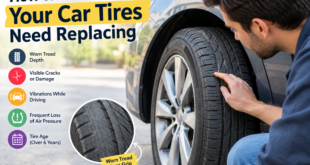
I recommend checking your tires before every winter season. Look at the tread, sidewalls, and overall condition. If you notice cracks, unusual wear, or significant tread loss, it may be time to replace them.
Can You Use Winter Tires All Year?
Technically, you can drive on winter tires outside the winter season, but it is generally not a good idea.
Winter tires are designed for cold temperatures. When the weather becomes warm, their softer rubber can wear more quickly.
Warm pavement can also affect handling and braking performance. This means you may spend more money replacing winter tires if you keep them installed throughout the year.
For drivers who experience real winter conditions, the better approach is to use winter tires during the cold season and switch to suitable tires when temperatures rise.
This also gives you the opportunity to inspect both sets of tires during seasonal changes.
Do You Need Four Winter Tires?
If your vehicle uses winter tires, I strongly recommend using a complete set of four.
Installing winter tires only on the front or rear can create an imbalance in traction between the axles. This can affect handling and stability, especially during cornering or braking.
Even vehicles with front wheel drive should normally use four matching winter tires rather than putting winter tires only on the front wheels.
A complete set provides more consistent grip across the vehicle and makes the handling characteristics more predictable.
How Much Do Winter Tires Cost?
The cost of winter tires varies depending on the vehicle, tire size, brand, performance level, and local market.
You also need to consider additional costs such as installation, balancing, seasonal tire changes, and storage if you do not have space at home.
Although winter tires can be more expensive than ordinary tires, I see them as an investment in winter driving capability.
It is usually better to choose a quality tire that fits your vehicle correctly than to choose the cheapest option available.
Before buying, compare several options and check reviews from reliable sources. Make sure the tire size and specifications match your vehicle.
Tips for Buying Winter Tires
If you are buying winter tires for the first time, keep a few things in mind.
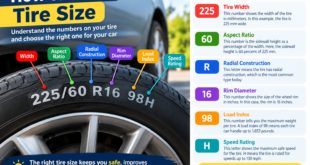
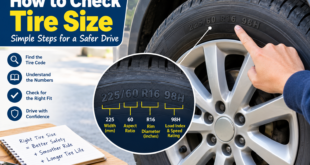
Start with your vehicle manufacturer’s recommended tire size. You can usually find this information in the owner’s manual, on the vehicle door sticker, or from a trusted tire professional.
Next, consider the weather in your area. Someone who drives through deep snow every week may need a different type of winter tire than someone who mainly deals with cold rain and occasional snow.
Check the tire’s severe snow rating when appropriate. Also consider tread design, warranty, expected mileage, and customer reviews.
Do not forget about tire pressure. Cold temperatures can reduce tire pressure, so check your pressure regularly during winter.
Winter Tire Maintenance
Proper maintenance can help winter tires perform better and last longer.
Check tire pressure regularly because pressure can change as temperatures change. Inspect the tread for uneven wear and remove stones or other debris from the grooves.
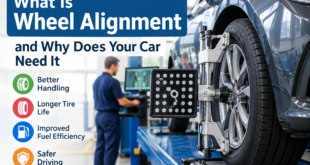
Wheel alignment is also important. Poor alignment can cause uneven tire wear and reduce handling performance.
When winter is over, store your winter tires properly if you are switching to another set. Keep them in a cool, dry place away from direct sunlight and harsh chemicals.
If you store tires mounted on wheels, keep them protected from unnecessary exposure to moisture and sunlight.
Final Thoughts
Winter tires are designed to give drivers better traction and control when temperatures fall and winter road conditions become difficult. Their special rubber compounds, tread patterns, and sipes help them remain effective in conditions where ordinary tires may struggle.
For beginners, the most important thing to remember is that winter tires are not simply tires with deeper tread. They are specifically engineered for cold weather.
If you regularly experience snow, ice, and consistently low temperatures, winter tires can be a valuable upgrade for your vehicle. If your winters are mild, all season or all weather tires may be more suitable depending on your driving conditions.
In my opinion, choosing the right tire should always start with understanding your local weather and how you actually drive. A good set of tires cannot make winter roads completely safe, but the right tires can give you better traction, better control, and more confidence when winter arrives.
Frequently Asked Questions
Are winter tires better than all season tires?
Winter tires generally provide better traction in cold, snowy, and icy conditions. All season tires are designed for broader weather conditions and may be suitable for areas with mild winters.
At what temperature should I use winter tires?
A common guideline is around 7°C. When temperatures regularly stay below this level, winter tires may provide better cold weather performance.
Do winter tires help with braking?
Yes. Winter tires are designed to provide better grip in cold conditions, which can help braking performance on snow and cold pavement.
Can I use two winter tires instead of four?
Using four winter tires is generally recommended because it provides more balanced traction and handling.
How many years can winter tires last?
There is no fixed lifespan. Tire age, tread depth, storage, maintenance, driving habits, and road conditions all affect how long they remain suitable for use.