Related Articles
Driving in the rain can be challenging, even for experienced drivers. Wet roads reduce traction, increase braking distance, and make it easier for vehicles to lose control. From my experience, one of the best ways to improve safety during rainy weather is by choosing the right tires. Many people focus on their vehicle’s engine or braking system, but they forget that tires are the only part of the car that actually touches the road.
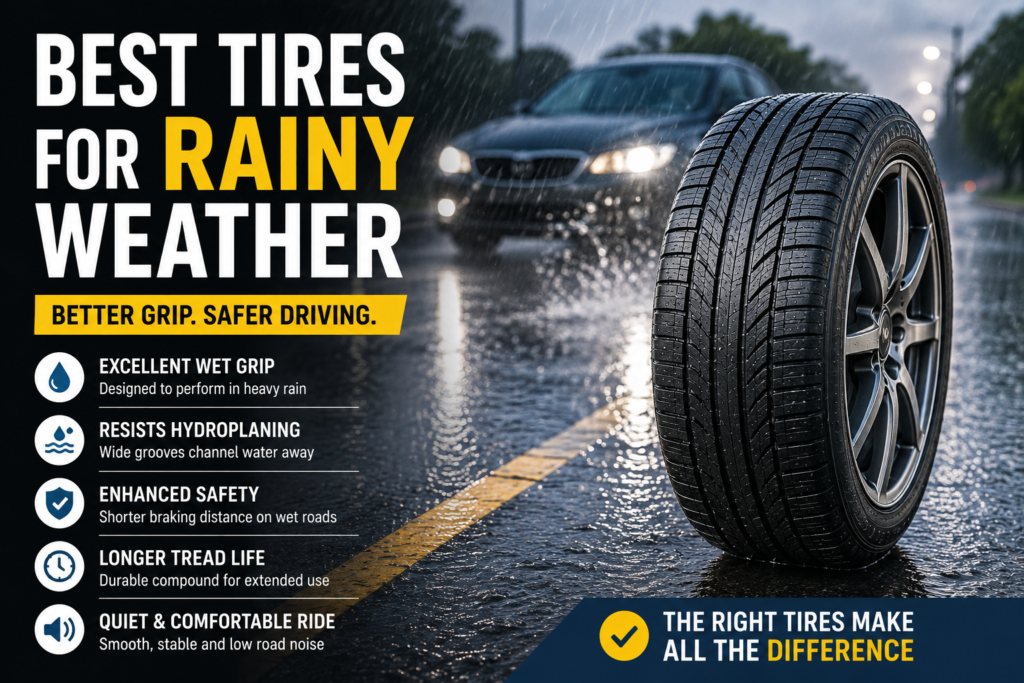
The best tires for rainy weather are designed to provide excellent grip on wet roads while reducing the risk of hydroplaning. A quality set of tires can make a huge difference in how confidently your vehicle handles during heavy rain. In this article, I will explain what makes a tire suitable for wet conditions, the features to look for, and some of the best tire options available for rainy weather.
Why Wet Weather Tires Matter
Rain changes the way your vehicle behaves on the road.
Water creates a thin layer between the tire and the pavement, reducing traction.
Without proper grip, your vehicle may:
Take longer to stop
Slide while turning
Lose stability
Hydroplane
A good wet weather tire helps channel water away from the contact patch, allowing the rubber to maintain better contact with the road.
What Makes a Tire Good for Rain
Not every tire performs the same on wet roads.
The best rainy weather tires are designed with special tread patterns and rubber compounds that improve grip.
Some important features include:
Deep tread grooves
Wide water evacuation channels
Soft rubber compounds
High silica content
Strong wet braking performance
Excellent road grip
These features help improve safety in rainy conditions.
Understanding Hydroplaning
Hydroplaning occurs when too much water builds up between the tire and the road surface.
Instead of gripping the pavement, the tire rides on top of the water.
When this happens, steering, braking, and acceleration become extremely difficult.
Good wet weather tires are specifically designed to reduce the chances of hydroplaning by pushing water away from the tread.
Importance of Tread Pattern
The tread pattern plays a major role in rainy weather performance.
Wide grooves move water away quickly.
Multiple channels improve drainage.
Small tread blocks increase road contact.
Curved grooves improve cornering stability.
A properly designed tread pattern allows the tire to maintain better grip during heavy rainfall.
Rubber Compound Matters
Modern rainy weather tires use advanced rubber compounds that remain flexible on wet roads.
A softer, silica enriched compound increases traction while maintaining durability.
This flexibility allows the tire to grip slippery pavement more effectively than harder rubber compounds.
Best Tires for Rainy Weather
Several tire manufacturers have developed excellent products specifically designed for wet road performance.
Here are some of the most trusted options.
Michelin CrossClimate 2
The Michelin CrossClimate 2 is widely recognized for outstanding wet weather performance.
Benefits include:
Excellent wet grip
Strong hydroplaning resistance
Comfortable ride
Long tread life
Reliable braking
It performs well throughout the year while remaining especially impressive during rainy conditions.
Continental ExtremeContact DWS06 Plus
Drivers looking for sporty handling often choose this tire.
Its advantages include:
Excellent wet traction
Precise steering
Strong cornering grip
Quiet operation
Long lasting performance
It is a favorite among performance vehicle owners.
Goodyear Assurance WeatherReady
Goodyear designed this tire for changing weather conditions.
Features include:
Excellent rain performance
Reliable wet braking
Comfortable driving
All season versatility
Strong tread durability
It works well for everyday commuting.
Bridgestone WeatherPeak
This tire combines advanced technology with dependable wet road handling.
Drivers appreciate:
Confident wet grip
Smooth ride quality
Reduced hydroplaning
Long tread life
Reliable year round performance
It is an excellent choice for family vehicles.
Pirelli Cinturato WeatherActive
Pirelli focuses on premium handling and comfort.
Key benefits include:
Outstanding wet braking
Excellent road stability
Low road noise
Comfortable driving experience
Premium build quality
It is especially popular among luxury vehicle owners.
Summer Tires Versus Rain Tires
Many people assume summer tires perform poorly in the rain.
In reality, quality summer tires often perform very well on wet roads because they are designed for warm weather and efficient water evacuation.
However, they should never be used in snow or freezing temperatures.
For drivers experiencing different seasons throughout the year, all season tires may be the more practical choice.
All Season Tires for Rain
Many modern all season tires provide excellent wet weather performance.
Advantages include:
Year round convenience
Good rain traction
Long tread life
Comfortable ride
Balanced handling
They are ideal for drivers who experience moderate weather throughout the year.
Winter Tires and Rain
Winter tires are designed primarily for snow and ice.
Although they provide good grip on cold wet roads, they wear more quickly during warm rainy weather.
Using winter tires in summer is generally not recommended.
Tire Pressure During Rain
Proper tire pressure is extremely important.
Underinflated tires increase the risk of hydroplaning.
Overinflated tires reduce the contact area with the road.
I always check tire pressure at least once each month and before long trips.
Maintaining the manufacturer’s recommended pressure improves both safety and tire life.
How Tread Depth Affects Wet Grip
As tires wear, their ability to remove water decreases.
New tires usually have deep grooves that quickly move water away.
Worn tires lose this ability.
Once tread becomes too shallow, hydroplaning risk increases significantly.
Checking tread depth regularly helps ensure safe driving during rainy weather.
Driving Tips for Rainy Conditions
Even the best tires cannot overcome unsafe driving habits.
I always follow several simple rules when driving in heavy rain.
Reduce speed.
Increase following distance.
Avoid sudden steering movements.
Brake gently.
Turn on headlights.
Avoid standing water whenever possible.
These habits improve vehicle control and reduce accident risk.
Signs Your Tires Need Replacement
Driving with worn tires in rainy weather is dangerous.
Some common warning signs include:
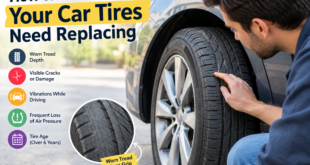
Low tread depth
Uneven wear
Cracks in the sidewall
Bulges
Frequent loss of air pressure
Vibration while driving
Replacing worn tires before the rainy season greatly improves safety.
Tire Rotation and Maintenance
Regular tire maintenance extends tire life and improves wet weather performance.
Important maintenance includes:
Rotate tires regularly.
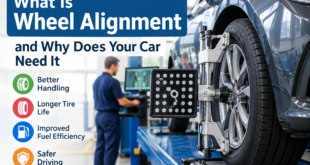
Maintain proper wheel alignment.
Balance tires when necessary.
Inspect for punctures.
Remove debris from tread.
Check air pressure monthly.
Proper maintenance helps preserve traction and even tread wear.
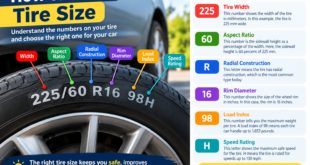
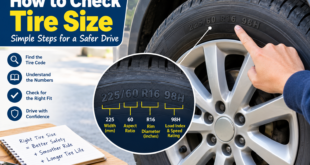
Choosing the Right Tire Size
Always install the tire size recommended by your vehicle manufacturer.
Using incorrect tire sizes may affect:
Braking
Handling
Fuel economy
Speedometer accuracy
Overall safety
Matching the correct size ensures the tire performs as intended.
Common Mistakes Drivers Make
Many drivers unintentionally reduce wet weather safety by making avoidable mistakes.
Ignoring tire pressure.
Driving with worn tread.
Using damaged tires.
Skipping tire rotations.
Driving too fast during heavy rain.
Replacing only one tire when multiple tires are worn.
Avoiding these mistakes improves both safety and tire performance.
Are Premium Tires Worth It
In my opinion, yes.
Premium tires often use better rubber compounds and more advanced tread designs.
They usually provide:
Shorter braking distances
Better wet grip
Improved comfort
Lower road noise
Longer service life
While they cost more initially, they often deliver better value over time.
Final Thoughts
Choosing the best tires for rainy weather is one of the smartest investments you can make for your vehicle. Quality wet weather tires improve traction, reduce the risk of hydroplaning, shorten braking distances, and provide greater confidence behind the wheel. Features such as deep tread grooves, advanced rubber compounds, and effective water evacuation channels all play an important role in keeping your vehicle stable on wet roads.
I always believe that safe driving begins with proper tire maintenance and choosing the right tires for the conditions you face. Even the most advanced safety features cannot replace the importance of good tires. By selecting reliable wet weather tires, maintaining proper tire pressure, and driving carefully during rain, you can enjoy a safer and more comfortable driving experience throughout the year.