Related Articles
Car tires are one of the most important parts of a vehicle because they are the only parts that keep your car connected to the road. From my point of view, many drivers pay attention to engine oil, brakes, and battery but forget to check their tires until there is a serious problem. The good thing is that your tires usually give you several warning signs before they become unsafe.
Knowing when to replace car tires can help you avoid poor handling, reduced braking performance, unexpected tire damage, and dangerous situations on the road. In this article, I will explain the most common signs that tell you your car tires may need replacing and what you should check before making a decision.
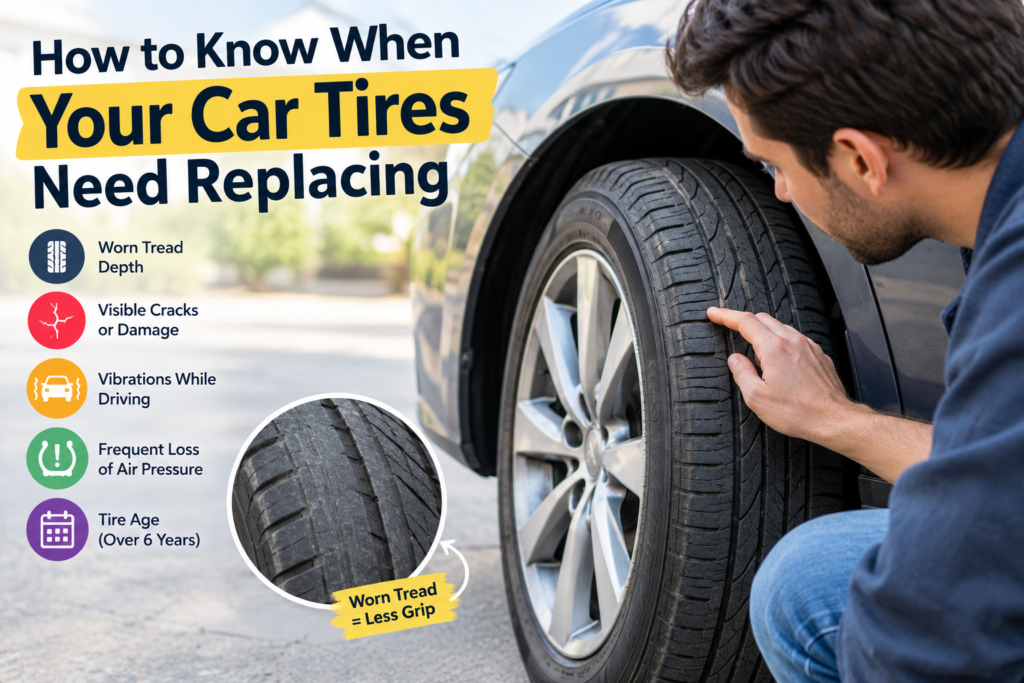
Check the Tire Tread Depth
One of the easiest ways to know if your tires need replacing is by checking the tread depth. Tire tread provides the grip your vehicle needs, especially when driving on wet roads.
As tires wear, the tread becomes shallower. When the tread is very low, the tire cannot move water away from the contact area as effectively. This can reduce traction and increase the risk of losing control.
Many tires have tread wear indicators built into the grooves. These indicators become easier to see when the tread has worn down significantly. If the tread is level with these indicators, it is time to have the tire professionally inspected and usually replaced.
You can also use a tread depth gauge to get a more accurate measurement. I recommend checking all four tires because they may not wear at the same rate.
Look for Cracks and Visible Damage
Another important sign is visible damage. I always believe that a quick visual inspection can prevent a much bigger problem.
Look carefully at the sidewalls and tread area. Watch for cracks, cuts, bulges, punctures, or pieces of rubber that appear damaged or separated.
Cracks can develop as tires age because rubber naturally becomes harder and less flexible over time. A bulge on the sidewall can indicate internal structural damage, often caused by hitting a pothole or curb.
A damaged tire should not be ignored simply because it still holds air. Some internal damage is not obvious from a distance. If you notice a major bulge, deep cut, or other serious damage, have the tire inspected immediately.
Pay Attention to Uneven Tire Wear
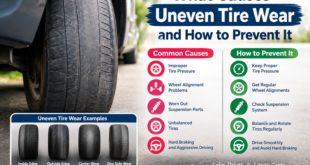
Uneven tire wear is another common reason to inspect your tires. Ideally, the tread should wear relatively evenly across the tire. If one side is much more worn than the other, something may be wrong.
Uneven wear can be caused by incorrect tire pressure, wheel alignment problems, worn suspension components, or improper tire rotation.
Sometimes the tire may still have usable tread in one area but be dangerously worn in another. This is why looking at only the center of the tire is not enough.
If I notice unusual wear patterns, I would check the tire condition and have the vehicle inspected rather than simply installing new tires without finding the underlying cause.
Your Car Vibrates While Driving
Unusual vibration through the steering wheel or vehicle can also be a warning sign.
There are several possible causes of vibration, including wheel imbalance, alignment problems, damaged wheels, suspension issues, or tire damage. A tire with internal damage may not always look obviously damaged from the outside.
If your car begins vibrating at certain speeds, especially when the problem is new, I would not ignore it. Have the tires and wheels checked by a qualified technician.
Replacing a tire may solve the problem if the tire itself is damaged, but sometimes another mechanical issue needs attention too.
Your Tires Keep Losing Air
If you regularly need to add air to the same tire, something needs to be investigated.
A slow leak can come from a puncture, valve problem, wheel issue, or damage to the tire. Driving with low tire pressure can cause excessive heat buildup and accelerate tire wear.
Sometimes a tire can be repaired safely, depending on where and how it was damaged. However, some punctures and sidewall damage require replacement.
I recommend checking tire pressure regularly rather than waiting until the tire looks visibly flat. A tire can be significantly underinflated before it looks obviously low.
Check the Age of Your Tires
Tire age is another factor that many drivers overlook. Even if a tire has plenty of tread remaining, its rubber can deteriorate with age.
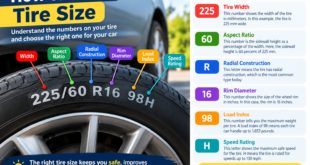
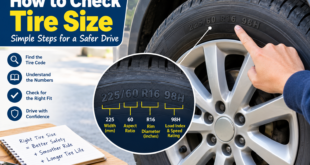
You can find the tire manufacturing date in the DOT identification code on the sidewall. The final four digits generally indicate the week and year of manufacture.
For example, a code ending in 2422 indicates that the tire was manufactured during the 24th week of 2022.
There is no single age that automatically means every tire must be replaced because tire life depends on storage, climate, usage, maintenance, and the tire manufacturer’s recommendations. However, older tires deserve careful inspection.
If your tires are several years old, I would check their condition more frequently and follow the vehicle and tire manufacturer’s recommendations regarding replacement.
Your Braking Performance Feels Different
Tires play an important role in braking. If the tread is worn or the tire has poor grip, stopping performance can be affected, particularly on wet roads.
You might notice that your vehicle does not feel as stable during hard braking or that the tires seem to lose traction more easily.
However, braking problems can also be caused by brakes, suspension, alignment, or other components. So I would not automatically blame the tires. A professional inspection can help identify the real cause.
Your Car Feels Less Stable in Rain
Wet roads can expose worn tires quickly. If your car feels less confident during rain, especially when driving through standing water, your tire tread deserves attention.
Good tread helps channel water away from the contact patch. As tread wears down, wet weather performance can become less effective.
From my experience, this is one of the reasons I would never judge a tire only by how it performs on a dry road. A tire that feels acceptable in dry conditions may behave very differently in heavy rain.
Look for Tread Separation
Tread separation is a serious tire problem where part of the tread begins separating from the underlying structure.
You might notice unusual bumps, irregular tread movement, vibration, or a section of tread that looks different from the rest of the tire.
If you suspect tread separation, avoid continuing to drive on the tire unnecessarily. Have it inspected as soon as possible because tire structural problems can become dangerous at higher speeds.
Your Tires Are No Longer Performing Like Before
Sometimes there is no single obvious warning sign. Instead, you may notice several small changes over time.
The steering may feel different. The car may not corner as confidently. Road noise may increase. The tires may require more frequent pressure checks. The tread may look noticeably worn.
These changes do not always mean the tires need immediate replacement, but they are good reasons to have them inspected.
Do Not Replace Only One Tire Without Checking
When one tire becomes damaged, many drivers immediately replace only that tire. Sometimes this is appropriate, but it depends on the vehicle, tire condition, tread difference, and manufacturer’s recommendations.
Replacing one tire with a significantly different tread depth can affect how the vehicle behaves. Some vehicles may also have specific requirements related to tire size, type, and tread depth.
Before replacing a single tire, I recommend asking a qualified tire professional whether one tire, two tires, or a complete set should be replaced.
Check Your Spare Tire Too
Your spare tire is easy to forget because you may rarely use it.
I think it is worth checking the spare whenever you inspect your regular tires. Make sure it has appropriate pressure and is not severely aged or damaged.
Imagine having a flat tire during a long trip and discovering that your spare is also unusable. A few minutes of inspection can help prevent that situation.
When Should You Replace Car Tires?
There is no universal replacement date that applies to every vehicle and every tire. The best decision depends on tread depth, tire age, visible damage, wear pattern, driving conditions, and manufacturer recommendations.
If the tire has reached the legal tread limit in your location, has serious damage, develops a dangerous bulge, shows signs of structural failure, or is otherwise judged unsafe by a qualified professional, replacement should not be delayed.
Regular inspections are especially important if you drive long distances, frequently use highways, carry heavy loads, or drive in extreme weather conditions.
Final Thoughts
From my point of view, knowing how to know when your car tires need replacing is an important part of responsible car ownership. You do not need to be a tire expert to notice many warning signs. Check the tread, inspect the sidewalls, watch for uneven wear, monitor tire pressure, and pay attention to changes in how your vehicle drives.
Most importantly, do not wait for a complete tire failure before taking action. Tires gradually wear and age, so regular inspections give you an opportunity to deal with problems before they become more serious.
If you are unsure about the condition of your tires, having them inspected by a qualified tire professional is a sensible choice. A small amount of attention today can help you drive with greater confidence tomorrow.
SEO Keywords: when to replace car tires, how to know when car tires need replacing, signs you need new tires, worn tire tread, tire replacement signs, car tire safety, tire tread depth, old car tires, damaged tires, uneven tire wear
WordPress Image: The requested AdSense friendly featured image has been created above, with a clean automotive maintenance theme and no unsafe or inappropriate content.