Related Articles

Taking care of a car does not always require complicated mechanical knowledge. In my experience, regular maintenance and a little attention can prevent many common car problems. A vehicle that is checked regularly is usually easier to drive, more reliable, and less likely to leave you with an unexpected repair bill.
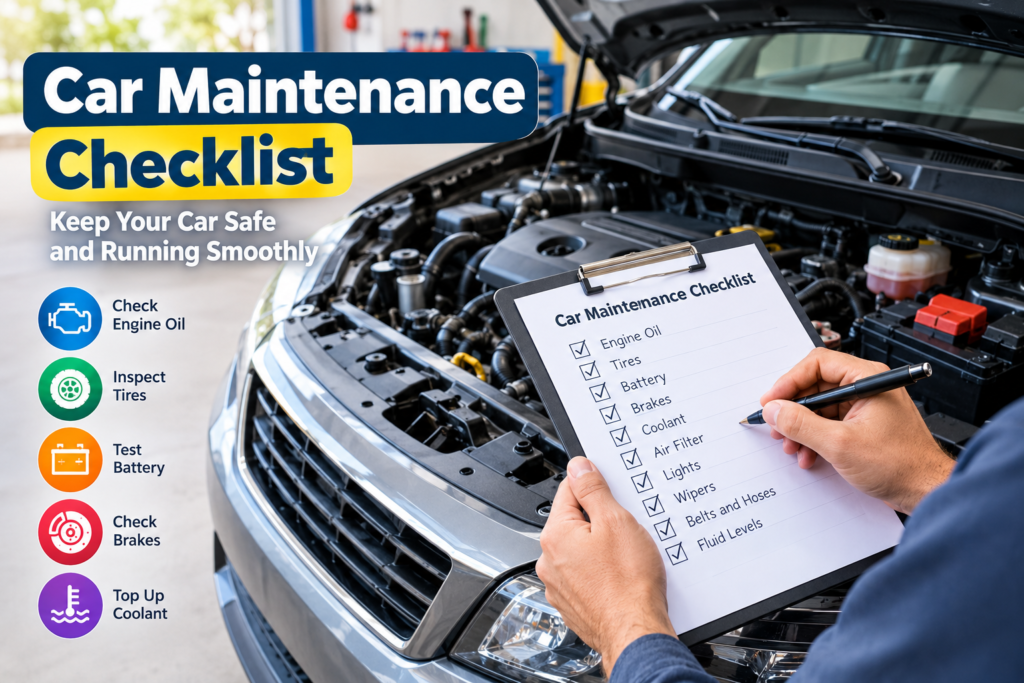
That is why I believe every car owner should have a simple car maintenance checklist. You do not need to inspect everything every day. Instead, you can divide maintenance tasks into daily, monthly, and scheduled checks. This makes car care easier and helps you remember important things before they become serious problems.
In this guide, I will share a practical car maintenance checklist that I would recommend for everyday car owners.
Why a Car Maintenance Checklist Is Important
A car contains many different parts that work together. Engine oil, tires, brakes, battery, coolant, lights, filters, and other components all need attention at different times.
The problem is that many car owners only think about maintenance when something goes wrong. In my opinion, this is one of the easiest ways to increase repair costs.
A simple maintenance routine allows you to notice small problems early. A tire that is slowly losing air, a weak battery, or low engine oil can often be identified before it causes a bigger problem.
Regular maintenance can also help your car perform better and may help extend the useful life of important components.
Check Engine Oil Regularly
Engine oil is one of the most important items on any car maintenance checklist. The engine has many moving parts, and proper lubrication helps reduce friction and heat.
I recommend checking the oil level according to your vehicle manufacturer’s instructions. Park the car on a suitable level surface and allow the engine to cool when appropriate. Then check the oil using the dipstick if your vehicle has one.
The oil should be at the recommended level. If it is consistently low, there may be a leak or another issue that needs attention.
You should also follow the manufacturer’s recommended oil change interval. The correct oil type and specification are important, so always check the owner’s manual before adding or replacing oil.
Inspect Your Tires
Tires are another essential part of vehicle maintenance. They are the only parts of the car that directly contact the road, so their condition matters for handling and safety.
Check your tire pressure regularly and compare it with the recommended pressure listed by the vehicle manufacturer. Do not simply use the maximum pressure printed on the tire sidewall as your normal target.
Look at the tread for signs of excessive or uneven wear. Also inspect the tires for cracks, cuts, bulges, or other visible damage.
If one tire repeatedly loses pressure, I would not ignore it. It could indicate a puncture, valve problem, or another issue.
Check the Car Battery
A weak battery can create frustrating starting problems, especially when you least expect them. Adding the battery to your car maintenance checklist is therefore a good habit.
Look at the battery terminals and check for visible corrosion or loose connections. Keep the battery area clean and make sure the connections are secure.
Some batteries require little maintenance, while older designs may have additional requirements. Follow the instructions provided for your specific battery and vehicle.
If your car is becoming slow to start, the battery may need testing. A professional can check its condition and charging system if necessary.
Inspect the Brakes
Brakes are one of the most important safety systems in any vehicle. You may not be able to inspect every brake component yourself, but you can pay attention to changes in how the brakes feel.
Listen for unusual sounds when braking. Notice if the brake pedal feels different from normal or if the vehicle pulls to one side while braking.
Brake pads and other braking components wear over time. Their replacement interval depends on driving conditions, vehicle design, and driving habits.
If you notice a significant change in braking performance, have the vehicle inspected rather than continuing to drive normally.
Check Coolant Levels
The cooling system helps control engine temperature. Coolant is an important part of that system.
Check the coolant reservoir when the engine is cool and follow the markings provided by the manufacturer. Never open a hot cooling system because pressurized coolant can cause serious burns.
If the coolant level keeps dropping, there may be a leak or another cooling system problem.
Using the correct coolant specification is also important. Different vehicles can require different coolant types, so I always recommend checking the owner’s manual before adding coolant.
Inspect Windshield Wipers
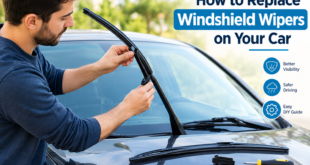
Good visibility is essential, especially during rain. Wiper blades are inexpensive compared with many other car parts, but they make a big difference.
Look for cracked, damaged, or hardened rubber. If the wipers leave large streaks or fail to clear water properly, replacing them may be necessary.
I also recommend checking the windshield washer fluid regularly. A clean windshield and working wipers make driving much more comfortable.
Check Exterior and Interior Lights
Lights should also be part of your regular car maintenance checklist. Walk around your vehicle and check the headlights, brake lights, turn signals, parking lights, and other required lights.
Ask someone to press the brake pedal while you check the brake lights if necessary.
A failed light can reduce visibility and make it harder for other drivers to understand what you are doing. Replacing a faulty bulb or repairing a lighting problem should not be unnecessarily delayed.
Replace the Air Filter When Needed
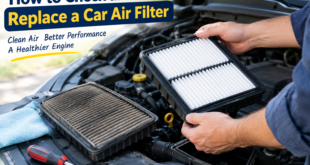
The engine air filter helps prevent dust and other particles from entering the engine’s air intake system.
Over time, an air filter can become dirty. A very dirty filter may restrict airflow, depending on the vehicle and filter condition.
The replacement interval varies between vehicles and driving environments. If you frequently drive on dusty roads, the filter may require more frequent inspection.
Your owner’s manual is the best place to find the recommended inspection and replacement schedule.
Check Other Important Fluids
Your car may use several different fluids, including brake fluid, transmission fluid, power steering fluid in applicable vehicles, and windshield washer fluid.
Not every vehicle has the same fluid requirements or checking procedure. Some modern vehicles use systems that do not provide a simple owner level check for certain fluids.
I recommend learning which fluids your particular vehicle uses and following the manufacturer’s instructions.
Do not mix random fluids simply because they look similar. Always use the correct specification.
Inspect Belts and Hoses
Belts and hoses can become worn with age. During a basic inspection, look for visible cracks, severe wear, leaks, swelling, or other unusual signs.
The exact components vary from one vehicle to another. Some cars use timing belts while others use timing chains, and their maintenance requirements can be very different.
If you are not comfortable inspecting these components, a mechanic can check them during routine service.
Keep the Car Clean
Cleaning your car may not seem like mechanical maintenance, but I still consider it part of good vehicle care.
Regular washing helps remove dirt and road contamination from the exterior. Cleaning the interior also makes the vehicle more pleasant to use.
Pay attention to areas where dirt and moisture can collect. Keeping the car reasonably clean also makes it easier to notice new scratches, leaks, or other changes.
Follow the Manufacturer’s Service Schedule
One of the most important points on my car maintenance checklist is following the manufacturer’s service schedule.
Your owner’s manual normally provides recommended intervals for oil changes, inspections, filters, spark plugs, fluids, belts, and other components.
The schedule can depend on mileage, time, driving conditions, and the specific vehicle model.
Instead of guessing when something needs service, use the manufacturer’s recommendations as your starting point.
Simple Monthly Car Maintenance Checklist
For an easy routine, I would check these items approximately once a month, while following the vehicle manufacturer’s instructions for specific intervals:
- Check tire pressure
- Inspect tire condition
- Check engine oil level when applicable
- Check coolant level when the engine is cool
- Check windshield washer fluid
- Test exterior lights
- Inspect windshield wipers
- Look for visible fluid leaks
- Check the battery area
- Look for unusual sounds or warning lights
This simple routine does not replace professional servicing, but it can help you notice problems earlier.
Car Maintenance Checklist Before a Long Trip
Before going on a long road trip, I like to give the car a more careful inspection.
Check the tire pressure, spare tire if equipped, engine oil, coolant, washer fluid, lights, wipers, and battery condition. I would also make sure the brakes feel normal and that there are no warning lights on the dashboard.
It is also useful to carry basic emergency equipment appropriate for your vehicle and local driving conditions.
If your car is due for scheduled service, getting it inspected before a long trip can provide extra peace of mind.
Do Not Ignore Warning Signs
One mistake I would avoid is ignoring unusual changes in the vehicle.
A new noise, vibration, smell, warning light, fluid leak, or change in steering or braking can indicate a problem.
Not every unusual sound means there is a major failure, but it is better to investigate a new symptom than to assume it will disappear.
If you are unsure about a problem, a qualified mechanic can inspect the vehicle and identify the cause.
Final Thoughts
A good car maintenance checklist does not have to be complicated. The most important thing is consistency.
Checking your tires, engine oil, battery, brakes, coolant, lights, wipers, fluids, and other important components at appropriate intervals can help you stay aware of your vehicle’s condition.
From my point of view, the best approach is to follow the manufacturer’s service schedule while also paying attention to how your car normally feels and sounds. When something changes, investigate it instead of waiting for a small issue to become a large repair.
Taking a few minutes for regular checks can make car ownership easier and help you enjoy more reliable driving for years to come.