Related Articles
A long road trip can be one of the most enjoyable ways to travel. I personally believe that a good road trip starts before you even leave your driveway. When the car is properly prepared, the journey becomes more comfortable, safer, and much less stressful. The last thing anyone wants is to spend hours waiting beside the road because of a problem that could have been prevented with a simple inspection.
Learning how to prepare your car for a long road trip does not always require complicated mechanical knowledge. You can perform several basic checks yourself, while more important mechanical inspections can be handled by a trusted mechanic. In my experience, spending a little time preparing the vehicle before a trip is much better than dealing with an unexpected problem far from home.
Check the Engine Oil
Engine oil is one of the first things I recommend checking before a long journey. Your engine depends on clean and sufficient oil for proper lubrication. Low or old engine oil can increase friction and may contribute to engine problems.
Park your car on a level surface and allow the engine to cool if necessary. Check the oil level according to your vehicle manufacturer’s instructions. If it is low, add the correct type of oil recommended for your vehicle.
If your oil change is already due, I would personally have it changed before starting a long road trip. It is also a good idea to look underneath the vehicle for signs of oil leaks.
Inspect the Tires Carefully
Tires are extremely important for road trip safety because they are the only parts of your vehicle constantly touching the road. Before leaving, check the pressure in all four tires and do not forget the spare tire.
The recommended tire pressure can usually be found in the owner’s manual or on the vehicle information label. Do not rely only on the number printed on the tire because that may indicate a maximum pressure rather than the recommended pressure for your vehicle.
Look for uneven tread wear, cracks, cuts, bulges, or other visible damage. If the tread looks badly worn, replace the tires before your trip. I would rather replace an old tire at home than discover a serious tire problem hundreds of miles away.
Check the Brakes
Good brakes are essential when driving long distances, especially when your route includes highways, mountains, heavy traffic, or unfamiliar roads.
Pay attention to warning signs such as unusual noises, vibrations, a soft brake pedal, or a vehicle that pulls to one side when braking. If you notice anything unusual, have the braking system inspected by a qualified professional.
Even if your brakes seem normal, a professional inspection can provide additional peace of mind before a long journey.
Test the Battery
A weak car battery can turn a simple trip into an unpleasant experience. Before leaving, check whether the battery has visible corrosion, damage, or loose connections.
If your battery is several years old or has recently struggled to start the engine, consider having it tested. Battery problems can become especially troublesome in very hot or very cold weather.
I also recommend making sure the battery terminals are secure. If you are unsure about checking them yourself, ask a mechanic to inspect the battery during your pre trip service.
Check Coolant and Other Fluids
Your cooling system works hard during long drives. Check the coolant level when the engine is cool and make sure it is within the recommended range.
You should also check other important fluids, including brake fluid, transmission fluid when applicable, power steering fluid if your vehicle uses it, and windshield washer fluid.
Never open a hot cooling system because pressurized coolant can cause serious burns. Follow your vehicle owner’s manual for proper checking procedures.
Inspect the Lights
Before starting a road trip, check every important exterior light. This includes headlights, brake lights, turn signals, parking lights, hazard lights, and reverse lights.
Ask another person to stand outside while you operate the lights. This makes it easier to identify a bulb that is not working.
Clean headlights can also improve visibility at night. If the lenses are dirty, clean them before the trip. Good lighting is especially important when driving through unfamiliar areas after dark.
Check the Windshield Wipers
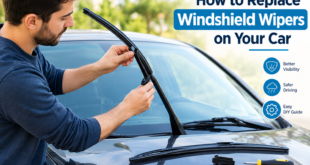
Clear visibility is extremely important during a road trip. Worn windshield wipers can leave streaks across the glass and make it difficult to see during rain.
Inspect the wiper blades for cracks or damage. If they leave large streaks or fail to clear water properly, replace them.
Also fill the windshield washer reservoir with suitable washer fluid. I always prefer checking this before a trip because dirty windshields can become a major distraction on long drives.
Examine Belts and Hoses
Belts and hoses may not receive much attention during everyday driving, but they are important parts of your vehicle.
Look for visible cracks, unusual wear, swelling, or signs of leaking around hoses. Engine belts should also be inspected for damage or excessive wear.
If you do not know what normal belts and hoses should look like, let a mechanic inspect them. Replacing a worn component before the journey is much easier than dealing with a breakdown on the road.
Check the Air Filter
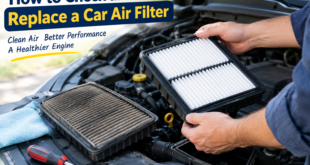
A clean engine air filter helps the engine receive the air it needs. If the filter is heavily dirty, replacing it before a long road trip can be a simple part of your vehicle preparation.
Your owner’s manual will usually provide information about inspection and replacement intervals. If you recently changed the air filter, there may be no need to replace it again.
Prepare an Emergency Kit
I believe every long road trip should include a basic emergency kit. Even a well maintained vehicle can experience an unexpected problem.
Your kit can include a flashlight, first aid supplies, reflective warning equipment, basic tools, jumper cables or a suitable jump starter, work gloves, drinking water, and a phone charging cable.
Depending on your route and weather conditions, you may also want blankets, extra water, or other practical supplies.
The goal is not to pack your entire garage. It is simply to have useful items available if something unexpected happens.
Check the Spare Tire and Jack
A spare tire is only helpful if it is ready to use. Before your journey, inspect the spare tire and check its pressure.
Also make sure you know where the vehicle jack, lug wrench, and related equipment are located. Some modern vehicles use tire repair kits instead of traditional spare tires, so understand how your particular system works before leaving.
If you have never changed a tire, learning the basic procedure before the trip can be useful.
Do Not Overload the Car
Packing too much can affect your vehicle’s handling, braking, fuel economy, and comfort. Before loading your car, think carefully about what you actually need.
Place heavy items low and secure loose luggage so it cannot move around while driving. Never block your view through the windows.
If your vehicle has a maximum cargo or passenger weight listed by the manufacturer, stay within those limits. A properly loaded car is easier to control and more comfortable on a long journey.
Check the Air Conditioning
A comfortable cabin can make a major difference during a long drive. Test the air conditioning and heating system before you leave.
If the air conditioning is not cooling properly, it is better to have the system checked before the trip. This becomes particularly important when traveling during hot weather.
Also make sure the cabin air filter is not excessively dirty. A clean filter can help maintain better airflow inside the vehicle.
Plan Your Route and Fuel Stops
Preparing the car is only one part of road trip preparation. I also recommend planning your route before leaving.
Check the approximate driving distance and identify suitable places where you can stop for fuel, food, rest, and bathroom breaks. If you are traveling through remote areas, do not assume that fuel stations will always be nearby.
Keeping your fuel level comfortably above empty is a simple habit that can prevent unnecessary stress.
Check Your Documents
Before leaving, make sure you have the documents you may need for your journey. Depending on where you are traveling, these may include your driving license, vehicle registration, insurance information, and other required documents.
Keep important information accessible rather than buried under luggage.
It is also useful to save important contact numbers on your phone. Having essential information ready can make unexpected situations easier to manage.
Get a Professional Inspection
If your vehicle has not been serviced recently, a professional inspection is one of the best things you can do before a long road trip.
Tell the mechanic that you are planning a long journey and ask them to inspect the major systems. They can identify problems that may not be obvious during a basic home inspection.
This is especially important if your car is older, has high mileage, or has recently shown warning signs.
Take Care of Yourself Too
A prepared car is important, but the driver also needs preparation. Get enough rest before starting your journey and avoid driving when you are extremely tired.
Plan regular breaks during the trip. Stretch your legs, drink water, and give yourself time to relax.
If another licensed driver is traveling with you, sharing the driving can make a long journey easier. I find that taking breaks makes the entire road trip more enjoyable instead of treating the drive as something that simply needs to be finished.
Final Thoughts
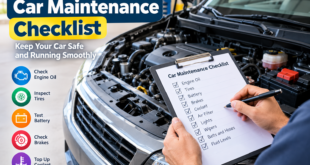
Knowing how to prepare your car for a long road trip can save you from many avoidable problems. Before leaving, check the engine oil, tires, brakes, battery, fluids, lights, windshield wipers, belts, hoses, and emergency equipment. Make sure your spare tire is ready, pack your luggage carefully, and plan your fuel and rest stops.
Most importantly, do not ignore warning signs from your vehicle. Strange sounds, dashboard warning lights, unusual vibrations, fluid leaks, or starting problems deserve attention before you begin a long journey.
In my view, the best road trip is not simply about reaching the destination quickly. It is about being prepared enough to enjoy the journey with confidence. A few hours spent checking your car before departure can make hundreds of miles on the road much easier and more comfortable.