Related Articles


Engine oil is one of the most important fluids in any vehicle. It keeps the moving parts of the engine lubricated, helps control heat, reduces friction, and carries away small particles that can build up inside the engine. Because of this, knowing how often to change engine oil is an important part of regular car maintenance.
In my opinion, an oil change is one of those simple maintenance jobs that should never be ignored. Many engine problems can become expensive when basic oil maintenance is delayed for too long. At the same time, changing oil more frequently than necessary can waste money. The best approach is to follow the vehicle manufacturer’s recommendation while also considering your driving habits, engine type, climate, and the type of oil you use.
How Often Should You Change Engine Oil?
For many modern vehicles, the recommended engine oil change interval can range from about 5,000 to 10,000 miles, depending on the vehicle and oil type. Some newer cars can safely go even longer under normal driving conditions.
Older advice often suggested changing engine oil every 3,000 miles. While this may still be suitable for some older vehicles or demanding driving conditions, it is not a universal rule for modern cars.
The most accurate answer is always found in your owner’s manual. Your manufacturer knows the engine design, oil specifications, and testing requirements for your particular vehicle.
If your car has an oil life monitoring system, it can also provide a useful reminder. These systems monitor factors such as mileage, engine temperature, and driving conditions to estimate when the oil should be replaced.
Why Does Engine Oil Need to Be Changed?
Engine oil does much more than simply make engine components slippery. Inside an engine, many metal parts move at high speeds and operate under considerable heat and pressure.
Fresh oil creates a protective layer between these components. Over time, however, oil can become contaminated with dirt, combustion byproducts, and tiny metal particles. Heat can also cause the oil and its additives to gradually lose some of their effectiveness.
When oil becomes old or heavily contaminated, it may not protect the engine as effectively as fresh oil.
This is why regular engine oil changes are important for maintaining smooth engine operation and protecting expensive internal components.
Does Your Driving Style Affect Oil Change Frequency?
Yes, your driving habits can make a significant difference.
Normal highway driving is generally easier on engine oil because the engine reaches its proper operating temperature and runs consistently for longer periods. Short trips, frequent stops, heavy traffic, and repeated cold starts can place more stress on the oil.
For example, if most of your daily driving consists of short trips to nearby places, your engine may not stay at operating temperature long enough to remove moisture and other contaminants effectively.
Heavy traffic can also increase engine workload because the vehicle repeatedly accelerates, stops, and idles.
If your driving conditions are considered severe by the manufacturer, you may need to follow a shorter oil change interval.
How Does Climate Affect Engine Oil?
Climate can also influence engine oil performance.
Very hot weather can increase the thermal stress placed on engine oil. Extremely cold weather can make oil thicker during startup, which means the engine may require more effort to circulate it until it reaches operating temperature.
This is particularly important for drivers living in areas with very high summer temperatures or very cold winters.
Using the correct oil viscosity recommended by your vehicle manufacturer helps ensure that the oil performs properly across the expected temperature range.
I would not choose engine oil simply because someone says it is the best oil. The correct specification for your engine matters much more than general popularity.
Conventional Oil vs Synthetic Oil
The type of engine oil you use can also affect how often it needs to be changed.
Conventional motor oil is suitable for some older vehicles and certain engine designs. It generally has a shorter service life compared with many modern synthetic oils.
Synthetic motor oil is engineered to provide consistent performance under demanding conditions. It can offer strong resistance to heat and oxidation and is commonly used in modern vehicles.
However, synthetic oil does not mean you can automatically ignore the manufacturer’s recommended maintenance schedule.
If your vehicle manufacturer specifies a particular oil grade and specification, those requirements should come first.
How Many Months Can You Go Without an Oil Change?
Oil change schedules are usually based on both mileage and time.
Even if you do not drive many miles, engine oil can still age over time. Moisture, contaminants, and chemical changes can affect the oil while the vehicle is being used occasionally.
For this reason, many manufacturers provide both a mileage interval and a time interval.
For example, a manufacturer might recommend changing the oil after a certain number of miles or after a certain number of months, whichever comes first.
This is especially important for people who drive their cars infrequently. A vehicle that sits for long periods should not necessarily be considered maintenance free.
Signs That Your Car May Need an Oil Change
The best approach is to follow the scheduled maintenance interval instead of waiting for symptoms. However, some signs can indicate that your vehicle needs attention.
One common warning is an oil change light or oil pressure warning light on the dashboard. These warnings should not be ignored.
You may also notice unusual engine noise, especially ticking or knocking sounds. Another possible sign is darker or dirty looking oil on the dipstick.
It is important to remember that dark oil is not automatically bad oil. Engine oil can become darker as it collects contaminants and performs its cleaning function.
If you notice a low oil level, an oil leak, warning light, or unusual engine behavior, checking the vehicle promptly is a good idea.
Should You Change the Oil Filter Too?
Yes, the oil filter should normally be replaced whenever the engine oil is changed.
The oil filter helps remove contaminants from the oil before the oil circulates through the engine again. Installing fresh oil while leaving an old filter in place does not make much sense because the filter is an important part of the lubrication system.
Oil filters are relatively inexpensive compared with engine repairs, so I consider replacing the filter during every scheduled oil change a sensible maintenance habit.
How to Check Your Engine Oil
Checking engine oil is a simple habit that can help you catch problems early.
Park the vehicle on a level surface and allow the engine to cool or follow the checking procedure recommended in your owner’s manual. Locate the dipstick, remove it, wipe it clean, and insert it again. Remove it once more and check the oil level against the markings.
The level should normally be between the minimum and maximum marks.
If the oil level is very low, do not simply assume that it is time for a routine oil change. Low oil can indicate an oil leak or increased oil consumption.
Adding the correct oil may be necessary, but the underlying cause should also be investigated.
What Happens If You Change Engine Oil Too Late?
Delaying an oil change occasionally may not immediately destroy an engine, but consistently ignoring maintenance can increase the risk of problems.
Old oil can lose some of its protective properties and may become contaminated. Over a long period, this can contribute to increased wear and deposits inside the engine.
In severe cases, poor lubrication can contribute to major engine damage.
An engine replacement or major repair can cost far more than regular oil changes, which is why I believe preventive maintenance is usually the smarter financial decision.
Can You Change Engine Oil Too Often?
Yes, it is possible to change engine oil more frequently than necessary.
Changing oil every few thousand miles when your vehicle is designed to safely run much longer can increase maintenance costs without providing a meaningful benefit in normal conditions.
There is nothing wrong with being careful, but maintenance should be based on reliable information rather than outdated rules.
Instead of automatically following the old 3,000 mile rule, check your vehicle’s current owner’s manual and consider your driving conditions.
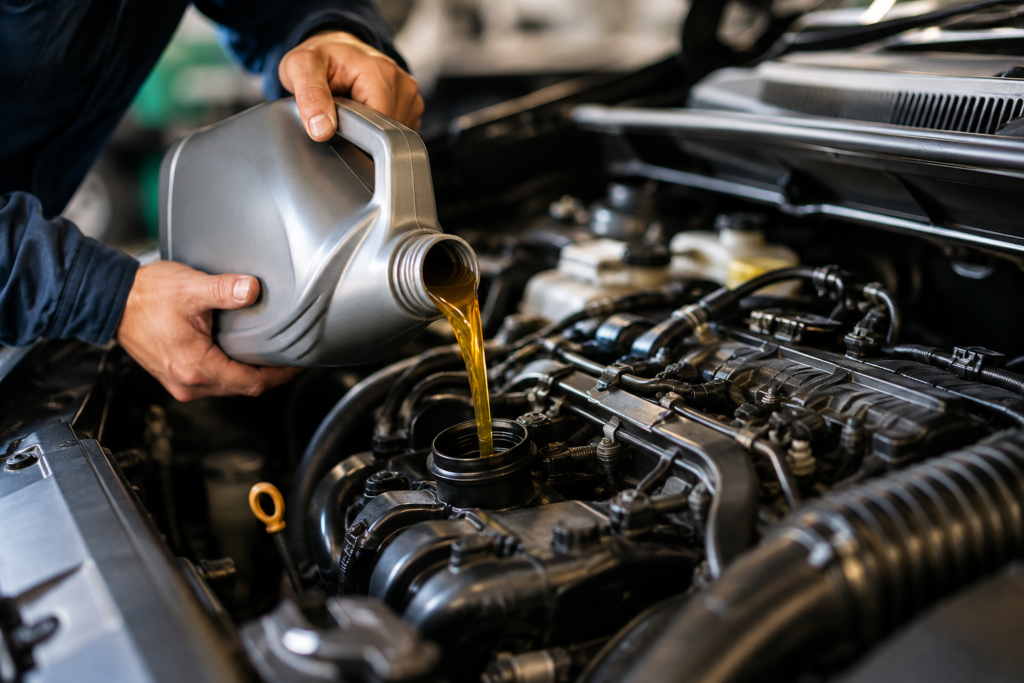
What Is the Best Oil Change Schedule?
There is no single oil change schedule that works for every vehicle.
A newer vehicle using synthetic oil and driven mostly on highways may have a very different recommended interval from an older vehicle that spends most of its time in heavy traffic.
Your best schedule should consider four main factors: the manufacturer’s recommendation, the type of oil, your driving conditions, and the age and condition of the engine.
Following these factors gives you a much more practical approach to how often you should change engine oil.
Final Thoughts
In my view, regular engine oil changes are one of the easiest ways to protect your vehicle and avoid unnecessary engine problems. There is no universal number of miles that every driver should follow. Modern vehicles and modern oils have made oil change intervals longer than they used to be, but the correct schedule still depends on the specific vehicle.
I recommend checking your owner’s manual, using the correct oil specification, replacing the oil filter during an oil change, and checking the oil level regularly.
If you drive in heavy traffic, make frequent short trips, carry heavy loads, tow regularly, or operate your vehicle in extreme temperatures, pay extra attention to the manufacturer’s severe service recommendations.
The simple habit of maintaining the right oil level and changing the oil at the recommended interval can go a long way toward keeping your engine running smoothly. For me, regular engine oil maintenance is not just another service expense. It is an investment in the long term reliability and performance of the vehicle.