Related Articles

Taking care of a car does not have to be complicated. In my experience, the biggest mistake beginners make is waiting for something to go wrong before thinking about car maintenance. A car usually gives you plenty of signs before a serious problem develops. Strange noises, low fluid levels, worn tires, warning lights, and changes in driving performance can all tell you that your vehicle needs attention.
A good car maintenance routine is mostly about staying consistent. You do not need to become a professional mechanic to keep your vehicle in good condition. You simply need to understand the basics, follow the maintenance schedule, and pay attention to how your car feels and sounds.
This complete car maintenance guide for beginners covers the most important things every new car owner should know.
Why Car Maintenance Is Important
Regular car maintenance helps keep your vehicle safe, reliable, and efficient. It can also help prevent expensive repairs. Something as simple as changing engine oil on time can protect important engine components from excessive wear.
I personally believe preventive maintenance is much better than emergency repair. Spending a little time checking your car regularly can save you from unexpected breakdowns and large repair bills later.
Maintenance also helps preserve the value of your vehicle. A properly maintained car generally has a better service history and can be easier to sell when you decide to upgrade.
Check Your Engine Oil Regularly
Engine oil is one of the most important fluids in your car. It lubricates moving engine parts and helps control heat and friction.
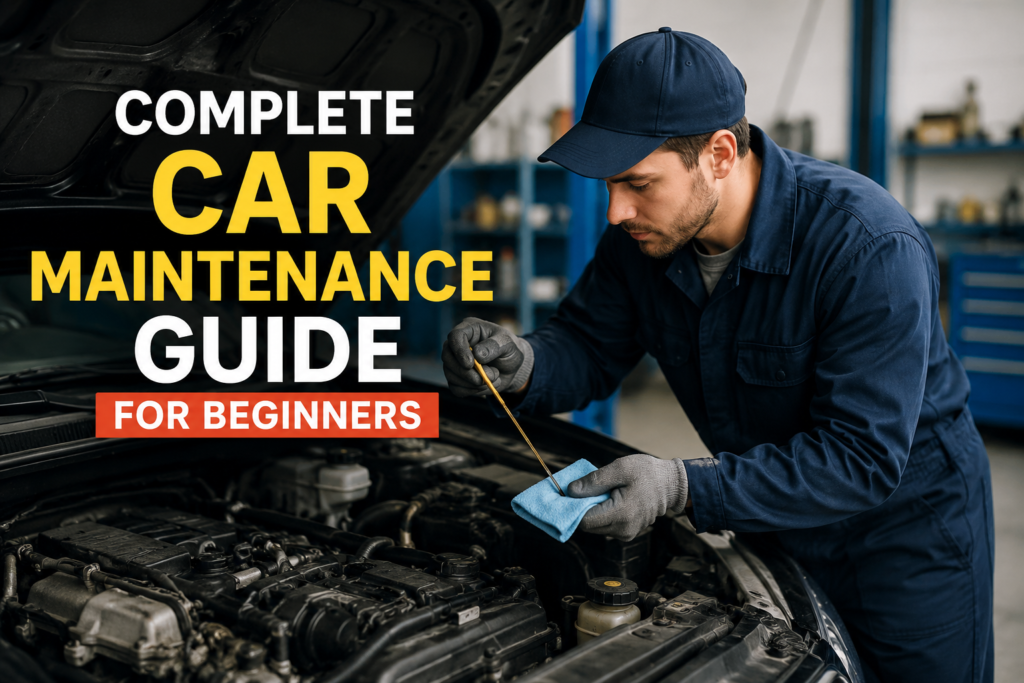
For beginners, checking engine oil is one of the easiest maintenance tasks to learn. Park the car on a level surface and allow the engine to cool according to the vehicle manufacturer’s instructions. Locate the dipstick, remove it, wipe it clean, insert it again, and then check the oil level.
The oil should normally be between the marked minimum and maximum levels. If it is low, use the correct oil recommended for your vehicle.
Do not assume that every engine uses the same type of oil. Always check your owner’s manual before adding or changing oil.
Keep an Eye on Tire Pressure
Tires are directly connected to your safety, fuel economy, braking, and handling. Incorrect tire pressure can affect the way your car behaves on the road.
Check tire pressure regularly, preferably when the tires are cold. The correct pressure can usually be found in the owner’s manual or on the vehicle information label, often located around the driver’s door area.
Do not use the maximum pressure printed on the tire sidewall as your normal recommended pressure unless the manufacturer specifically says so.
It is also a good idea to inspect your tires for cracks, cuts, uneven wear, or objects stuck in the tread. If one tire keeps losing pressure, there may be a puncture, valve problem, or another issue that needs attention.
Learn When to Change the Engine Oil
Checking oil is important, but changing it at the correct interval is equally important. Engine oil becomes contaminated and can lose some of its protective properties over time.
The correct oil change interval depends on your vehicle, engine, oil type, driving conditions, and manufacturer’s recommendations. Modern vehicles may have maintenance reminders that help you know when service is due.
Instead of following a random mileage number from the internet, I recommend checking the owner’s manual for your exact vehicle.
If you drive frequently in heavy traffic, extreme temperatures, dusty conditions, or for many short trips, your vehicle may require more frequent maintenance.
Inspect the Brakes
Your braking system deserves special attention because it is one of the most important safety systems in your car.
Listen for unusual squealing, grinding, or scraping sounds when braking. Pay attention if the brake pedal feels unusually soft, hard, or different from normal. If the car pulls to one side when braking, that can also indicate a problem.
Brake pads and discs gradually wear out. How quickly they wear depends on your driving habits, road conditions, vehicle type, and other factors.
Never ignore a major change in braking performance. If something does not feel right, have the braking system inspected by a qualified professional.
Check Important Car Fluids
Engine oil is not the only fluid that needs attention. Your vehicle may also have coolant, brake fluid, transmission fluid, power steering fluid, and windshield washer fluid.
Coolant helps regulate engine temperature. A low coolant level can contribute to overheating, which can cause serious engine damage.
Brake fluid is essential for proper braking performance. If its level is low or the fluid appears contaminated, the braking system should be inspected.
Transmission fluid is also important, although the checking procedure varies between vehicles. Some modern cars have sealed transmission systems that are not designed for simple owner checks.
Always use the correct fluid specified for your vehicle. Mixing incorrect fluids can create expensive problems.
Do Not Ignore Warning Lights
Modern cars use warning lights to tell you when something needs attention. Beginners sometimes ignore a warning light because the car still appears to drive normally.
That is not a good habit.
A warning light can indicate anything from a simple maintenance reminder to a serious mechanical or electrical issue. Check your owner’s manual to understand what the symbol means.
If a warning light is flashing, accompanied by unusual noises, overheating, loss of power, smoke, or other serious symptoms, stop driving when it is safe to do so and seek professional assistance.
Replace Air Filters When Needed
Your vehicle may have an engine air filter and a cabin air filter. Both perform different jobs.
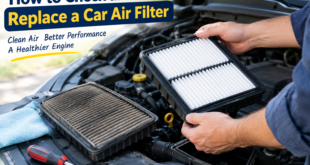
The engine air filter helps prevent dirt and debris from entering the engine’s air intake system. A heavily dirty filter can affect airflow and may contribute to poor engine performance.
The cabin air filter helps clean the air entering the passenger compartment. A clogged cabin filter can reduce airflow from the ventilation system and may contribute to unpleasant odors.
Replacement intervals vary, so check the manufacturer’s recommendations and inspect the filters when appropriate.
Take Care of the Battery
A weak battery can leave you stranded without much warning. Regularly inspect the battery and its connections when practical.
Look for visible corrosion around the terminals and make sure connections are secure. If your car is becoming slow to start, especially during cold weather, the battery may need testing.
Battery life varies depending on climate, driving habits, vehicle design, and battery quality. If you notice repeated starting problems, do not simply keep jump starting the vehicle. Find out why the battery is losing power.
Check Your Lights
A simple walk around your car can reveal a surprising number of problems. Check the headlights, brake lights, indicators, parking lights, and reverse lights.
A burned out bulb can reduce visibility or make it harder for other drivers to understand your intentions.
I recommend checking your lights regularly, especially before long trips or night driving. Keep the lenses clean as well because dirt and oxidation can reduce the amount of useful light.
Pay Attention to Your Tires
Tire pressure is only one part of tire maintenance. You should also look at tread depth and wear patterns.
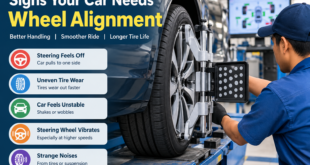
If the inside or outside edge of a tire is wearing faster than the rest, the vehicle may have an alignment, suspension, or tire pressure issue.
If the car vibrates at certain speeds, the wheels may need balancing or there could be another problem. Uneven steering or pulling can also deserve an inspection.
Never rely only on appearance when deciding whether tires are safe. When in doubt, have them professionally checked.
Follow the Manufacturer’s Maintenance Schedule
One of the best beginner car maintenance tips is also the simplest: read your owner’s manual.
The manufacturer provides a maintenance schedule designed specifically for your vehicle. It may include oil changes, filter replacements, inspections, spark plug replacement, coolant service, transmission service, timing belt replacement, and other important work.
Keep a record of completed maintenance. You can use a notebook, spreadsheet, phone application, or service receipts.
A maintenance record makes it much easier to know what has already been done and what is coming next.
Learn to Recognize Unusual Sounds
Your car can communicate through sounds. You do not need to know exactly what every noise means, but you should notice changes.
A new squeal, clicking sound, knocking noise, humming sound, grinding noise, or vibration should not automatically be considered normal.
The earlier you investigate a strange noise, the better your chances of finding a smaller problem before it becomes a major repair.
For example, a small noise from a worn component may become a much more expensive issue if the component fails completely.
Keep Your Car Clean
Car maintenance is not only about mechanical components. Keeping your vehicle clean can also help protect it.
Wash the exterior when needed and remove dirt, mud, and road contaminants. Clean the windshield and mirrors regularly so visibility remains clear.
Inside the vehicle, remove unnecessary items and keep the dashboard and controls clean. A clean car is easier to inspect and makes it easier to notice new leaks, damage, or unusual changes.
Build a Simple Maintenance Routine
Beginners often become overwhelmed because they think car maintenance requires checking everything every day. It does not.
You can create a simple routine.
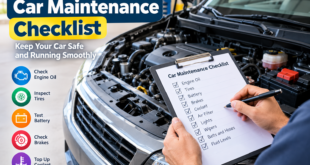
Once a week or before longer trips, check your tires and look for obvious leaks or damage. Occasionally check engine oil and other accessible fluids according to your owner’s manual. At regular service intervals, have the vehicle professionally inspected.
The key is consistency rather than complexity.
Keep an Emergency Kit in Your Car
Every driver should consider keeping a basic emergency kit in the vehicle. Useful items can include a flashlight, first aid supplies, reflective warning equipment, basic tools, gloves, drinking water, and a phone charging option.
If your vehicle uses a spare tire, make sure you know where it is and periodically check its condition and pressure.
It is also useful to know how to safely use a jack and change a tire, although roadside assistance may be the better option if you are uncomfortable performing the job.
Final Thoughts
Learning car maintenance as a beginner is much easier when you focus on the basics. Check your tires, monitor fluids, maintain the engine oil, inspect the brakes, watch warning lights, take care of the battery, and follow the manufacturer’s maintenance schedule.
From my point of view, the most important habit is paying attention. You know how your car normally feels, sounds, and drives. If something suddenly changes, do not ignore it.
You do not need to perform every repair yourself. Knowing when to ask a qualified mechanic for help is also an important part of responsible car ownership.
Regular maintenance may seem like a small responsibility, but it can make a major difference in safety, reliability, performance, and long term ownership costs. Once you develop a simple maintenance routine, taking care of your car becomes much less stressful and much more manageable.