Related Articles
When I first bought my car, I assumed that all tires were basically the same. As long as they looked new and had enough tread, I thought they would perform equally well. After spending more time driving in different weather conditions and learning about vehicle maintenance, I realized that choosing the right tires is much more important than most people think. Tires are the only part of your vehicle that stays in direct contact with the road, so they have a huge impact on safety, comfort, fuel economy, and overall driving performance.
Many drivers replace their tires only when the old ones are completely worn out, but they often buy the cheapest option without considering their driving habits or road conditions. In my opinion, selecting the right tires is an investment that pays off every time you get behind the wheel.
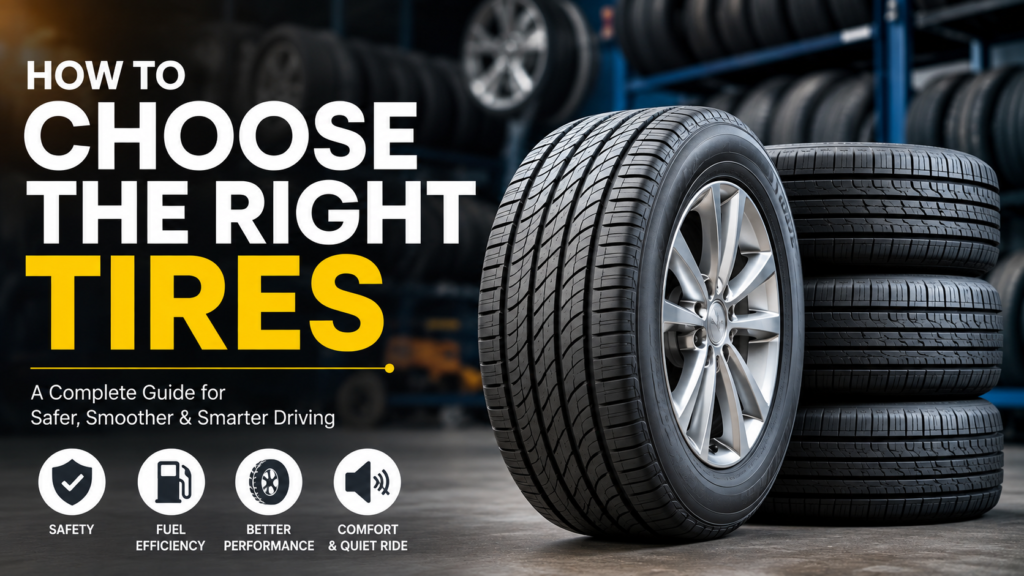
In this article, I will explain how to choose the right tires, what factors you should consider, and how the right choice can improve your driving experience.
Why Choosing the Right Tires Matters
The importance of tires goes far beyond simply helping the car move. They influence how well your vehicle accelerates, brakes, turns, and handles different road conditions.
Good tires provide better grip, shorter stopping distances, improved fuel efficiency, smoother rides, and greater confidence behind the wheel.
Using the wrong tires can reduce handling, increase tire wear, lower fuel economy, and even compromise your safety during emergency situations.
That is why I always recommend spending time researching tires before making a purchase.
Understand Your Vehicle’s Tire Size
The first thing you should check before buying new tires is the correct tire size.
Every vehicle manufacturer recommends a specific tire size based on the car’s weight, suspension, and performance.
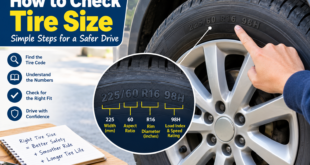
You can usually find the recommended tire size on the driver’s door sticker or in the owner’s manual.
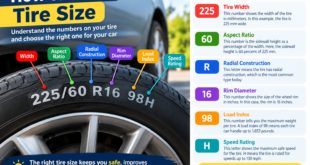
A tire size may look something like 205/55R16.
The first number represents the tire width in millimeters.
The second number is the aspect ratio, which indicates the sidewall height.
The letter shows the tire construction type.
The final number indicates the wheel diameter.
Buying the correct size ensures proper handling and safety.
Consider Your Driving Style
One of the biggest mistakes people make is buying tires without thinking about how they actually drive.
If you mainly drive in the city, comfort and low road noise may be your priorities.
If you travel long distances on highways, you may prefer tires that offer better fuel efficiency and long tread life.
Drivers who enjoy spirited driving may want performance tires with excellent cornering grip.
Choosing tires based on your driving habits provides the best overall experience.
Know the Different Types of Tires
Modern vehicles use several different tire categories.
Understanding these options makes it easier to choose the right one.
All Season Tires
All season tires are the most popular choice for everyday drivers.
They provide balanced performance in dry roads, light rain, and mild winter conditions.
These tires are ideal for drivers who want a combination of comfort, durability, and convenience throughout the year.
Summer Tires
Summer tires are designed for warm weather.
They provide excellent grip, shorter braking distances, and better cornering performance on dry and wet roads.
However, they are not suitable for freezing temperatures or snowy conditions.
Winter Tires
Winter tires use special rubber compounds that remain flexible in cold weather.
Their deeper tread patterns improve traction on snow and ice.
If you regularly drive in harsh winter conditions, dedicated winter tires are one of the safest investments you can make.
Performance Tires
Performance tires focus on maximum handling and steering response.
They are commonly used on sports cars and performance oriented vehicles.
Although they provide exceptional grip, they may wear faster than standard touring tires.
Touring Tires
Touring tires are designed for comfort, quiet operation, and long tread life.
They are an excellent choice for family cars and daily commuters.
Check Tire Tread Pattern
The tread pattern plays an important role in how tires perform.
Some tread designs focus on reducing road noise.
Others improve water drainage during rain.
Aggressive tread patterns provide additional traction for rough roads and off road driving.
I always recommend selecting a tread design that matches your normal driving environment.
Consider Weather Conditions
Weather has a major influence on tire performance.
If you live in an area with mostly warm temperatures, all season or summer tires may be ideal.
Drivers who frequently experience snow or icy roads should strongly consider winter tires.
Choosing tires designed for your local climate improves both safety and performance.
Look at Tire Treadwear Rating
Most tires include a treadwear rating that estimates how long they may last under normal driving conditions.
Higher treadwear ratings generally indicate longer tire life.
However, tires with extremely high treadwear ratings may sacrifice some grip.
Finding the right balance between durability and performance is usually the best approach.
Pay Attention to Speed Rating
Every tire has a speed rating that indicates the maximum speed it is designed to handle safely.
Although most drivers never reach these limits, choosing the correct speed rating ensures the tire matches your vehicle’s performance capabilities.
Always follow the manufacturer’s recommendation.
Understand Load Rating
The load rating tells you how much weight each tire can safely support.
This is especially important for SUVs, pickup trucks, and vehicles that frequently carry heavy loads.
Using tires with insufficient load capacity can reduce safety and accelerate tire wear.
Fuel Efficient Tires
Some modern tires are specifically designed to reduce rolling resistance.
Lower rolling resistance allows the engine to work less, improving fuel economy.
While the fuel savings may seem small, they become noticeable over thousands of miles.
Drivers who travel frequently often appreciate this benefit.
Road Noise and Comfort
Not every tire feels the same while driving.
Some tires produce more road noise than others.
If comfort is important to you, choose tires designed for quiet operation and smooth rides.
Premium touring tires often provide excellent ride comfort.
Compare Tire Brands
Many manufacturers produce high quality tires.
Brands such as Michelin, Bridgestone, Continental, Goodyear, Yokohama, Pirelli, Toyo, Hankook, and Falken all offer reliable products for different budgets and driving styles.
Rather than focusing only on price, compare warranty, tread life, performance, and customer reviews.
Do Not Mix Different Tire Types
I always recommend installing the same type, size, and brand of tires whenever possible.
Mixing different tire designs can affect handling, braking performance, and stability.
Using a matching set helps the vehicle perform as the manufacturer intended.
Check Tire Manufacturing Date
Even unused tires age over time.
Before purchasing, inspect the DOT code to determine the manufacturing date.
Freshly manufactured tires generally provide better performance than tires that have been sitting in storage for several years.
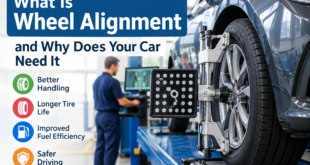
Balance and Wheel Alignment
Installing new tires should always include proper balancing.
Wheel alignment should also be checked if uneven tire wear is present.
Balanced wheels reduce vibration, while correct alignment improves handling and extends tire life.
Maintain Proper Tire Pressure
Even the best tires perform poorly if the air pressure is incorrect.
Check tire pressure regularly using a reliable gauge.
Proper inflation improves fuel economy, handling, braking performance, and tread life.
Always follow the pressure listed by your vehicle manufacturer.
Rotate Tires Regularly
Regular tire rotation helps all four tires wear evenly.
This simple maintenance practice extends tire life and improves overall vehicle stability.
Most manufacturers recommend rotating tires during routine maintenance intervals.
Inspect Tires Frequently
Develop the habit of inspecting your tires every few weeks.
Look for cuts, cracks, bulges, embedded objects, or uneven tread wear.
Early detection of tire damage prevents unexpected failures on the road.
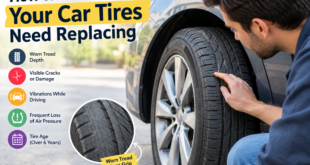
Replace Tires at the Right Time
Waiting too long to replace worn tires increases the risk of accidents.
When tread depth becomes too low or the tires show signs of aging, replacing them immediately is the safest decision.
New tires provide better traction, especially during emergency braking and wet weather.
Final Thoughts
In my opinion, choosing the right tires is one of the most important decisions any vehicle owner can make. Tires directly affect safety, handling, braking, fuel efficiency, and driving comfort, making them far more than just another replacement part. Understanding tire sizes, selecting the correct type for your driving conditions, comparing quality brands, checking tread patterns, and following proper maintenance practices will help you get the best performance from your vehicle.
A good set of tires is an investment in both safety and reliability. By taking the time to choose wisely and maintaining them properly with regular pressure checks, rotations, balancing, and inspections, you can enjoy smoother rides, lower operating costs, and greater confidence every time you drive. The right tires do not just improve your car, they improve every journey you take.